
Air Quality & Plumbing
How Crawl Space Conditions Affect the Air You Breathe and the Pipes You Rely On
Introduction
The crawl space directly affects the air you breathe and the plumbing that serves your home. Air is constantly pulled upward from the crawl space into the living space, carrying moisture, odors, and contaminants with it. At the same time, plumbing lines exposed to humid conditions slowly corrode and weaken from condensation. This section explains how crawl space moisture impacts air quality, ductwork, and plumbing, and why these issues are often the first signs that something below the home is going wrong.
The Guides
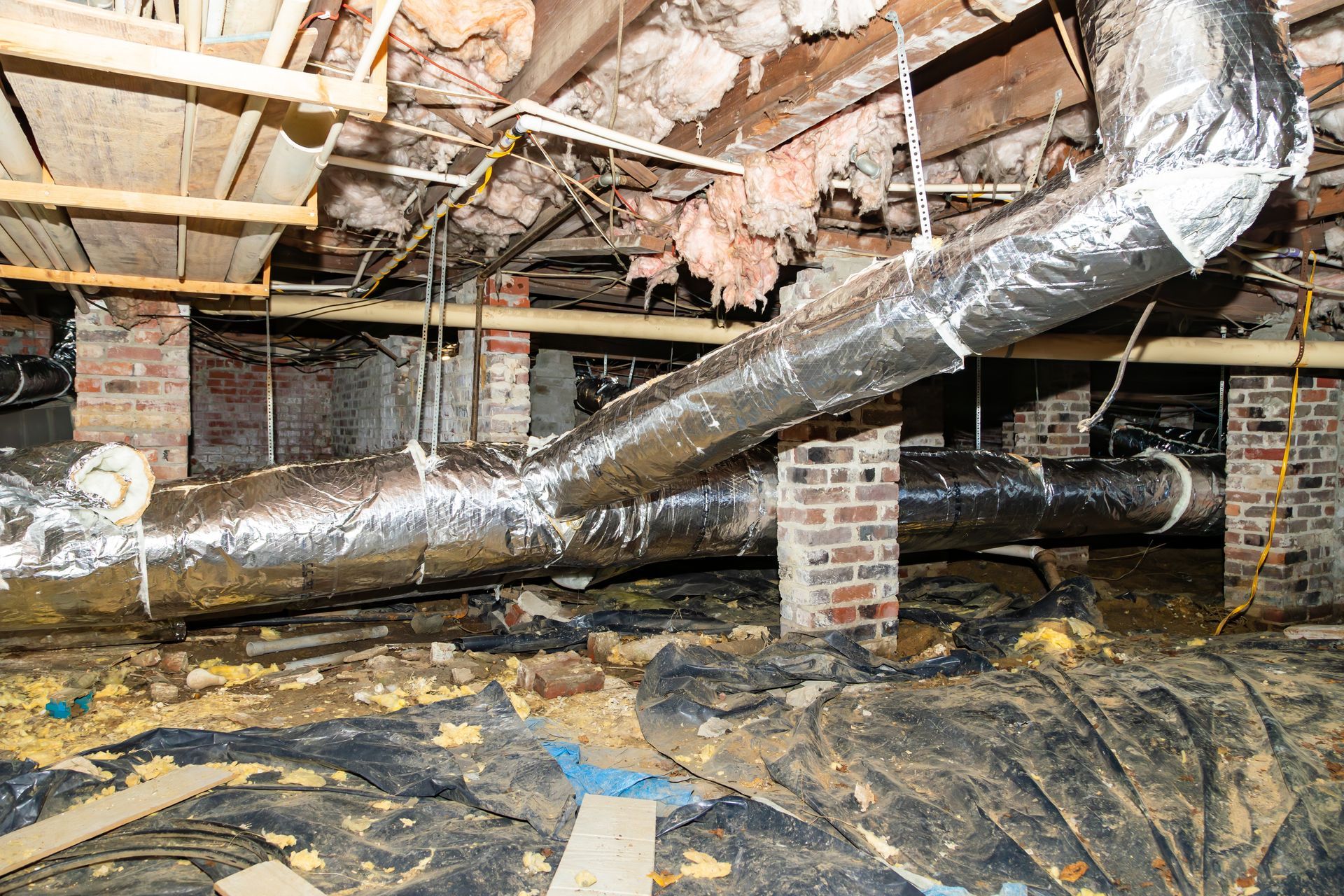
Musty Crawl Spaces
Explains what crawl space odors and smells mean and how they enter and affect your homes air health.
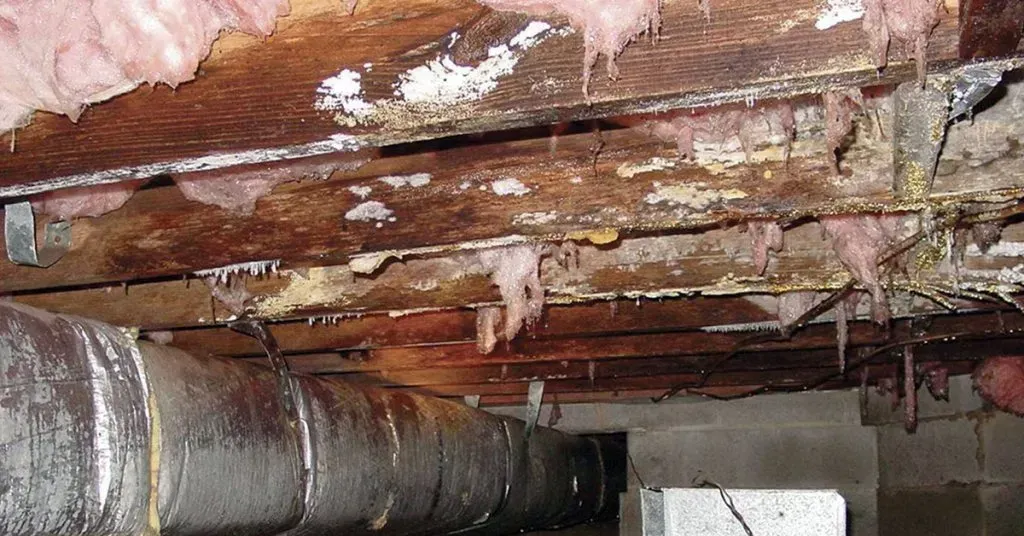
Crawl Space Mold & Fungus
Covers how mold and fungus form in the crawl space, the damage and health issues they cause, and how to fix it.
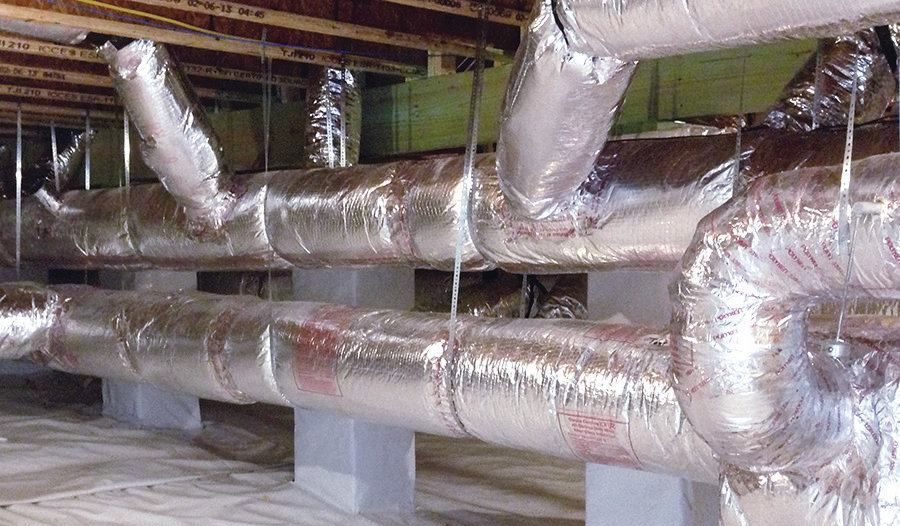
Ductwork & Indoor Air
Breaks down how old, moldy, and contaminated ductwork affects your indoor air, home health, and what to do about it.
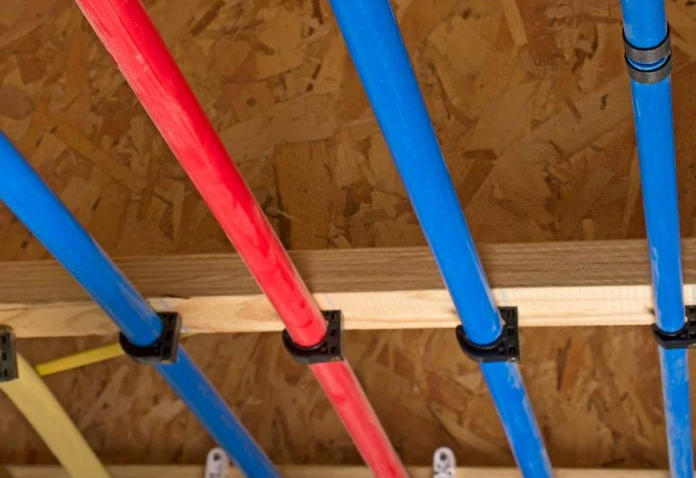
Plumbing Corrosion & Leaks
This guide covers what to look out for when it comes to plumbing corrosion, leaks, and how they affect your home health.
Frequently Asked Questions
Can crawl space air enter my home?
Yes. Air is constantly pulled from the crawl space into the living space through gaps in the floor, ductwork, and plumbing penetrations.
Why does my house smell musty?
Odors usually originate from damp insulation, ductwork, or wood in the crawl space and rise into the home before mold is ever visible.
Is crawl space mold a health emergency?
Most crawl space mold is a moisture problem, not a toxic event; it becomes an issue when it affects air quality through odors or contaminated ductwork.
Why do pipes corrode in crawl spaces?
Water lines condense moisture in humid air, causing constant wetting that leads to corrosion and long-term pipe failure.
Can duct cleaning fix crawl space air problems?
No. If duct insulation is moldy or wet, cleaning doesn’t work — the affected ductwork must be repaired or replaced.
What really fixes crawl space problems?
Stopping moisture at the source through air sealing and dehumidification; without humidity control, these problems always return.
If you’re dealing with crawl space issues, we can help. We diagnose the real cause and give homeowners honest, building-science–based recommendations — never gimmicks or upsells.
