
Crawl Space Moisture
From standing water to high humidity and mold, this section explains the most common moisture problems homeowners face and how to identify the real source before choosing a repair.
Introduction
Crawl space moisture isn’t random — it’s predictable physics. In the Southeast, hot, humid air enters the crawl space, meets cooler surfaces such as joists, ductwork, and plumbing lines, and instantly releases water through condensation. This top-down moisture cycle repeats every summer and quietly damages insulation, wood framing, ductwork, and indoor air quality for years before homeowners notice the symptoms.
Understanding how moisture behaves is the first step to fixing it correctly. The guides below break down the causes, misdiagnoses, and real solutions with clear, no-nonsense explanations based on proven building science.
The Guides
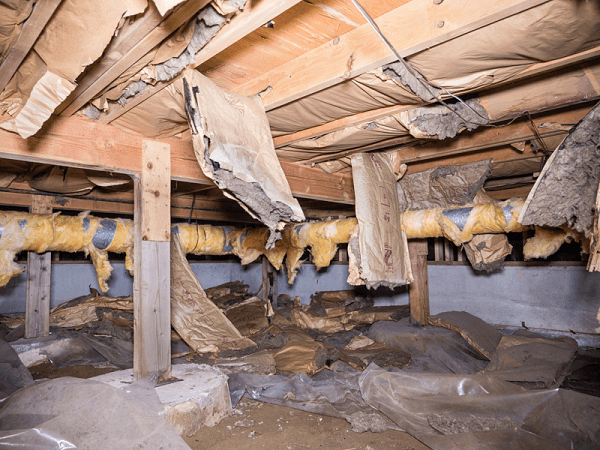
Why Crawl Spaces Get Wet In Humid Climates
Hot, humid summer air enters the crawl space, hits cooler surfaces, and releases moisture through condensation.
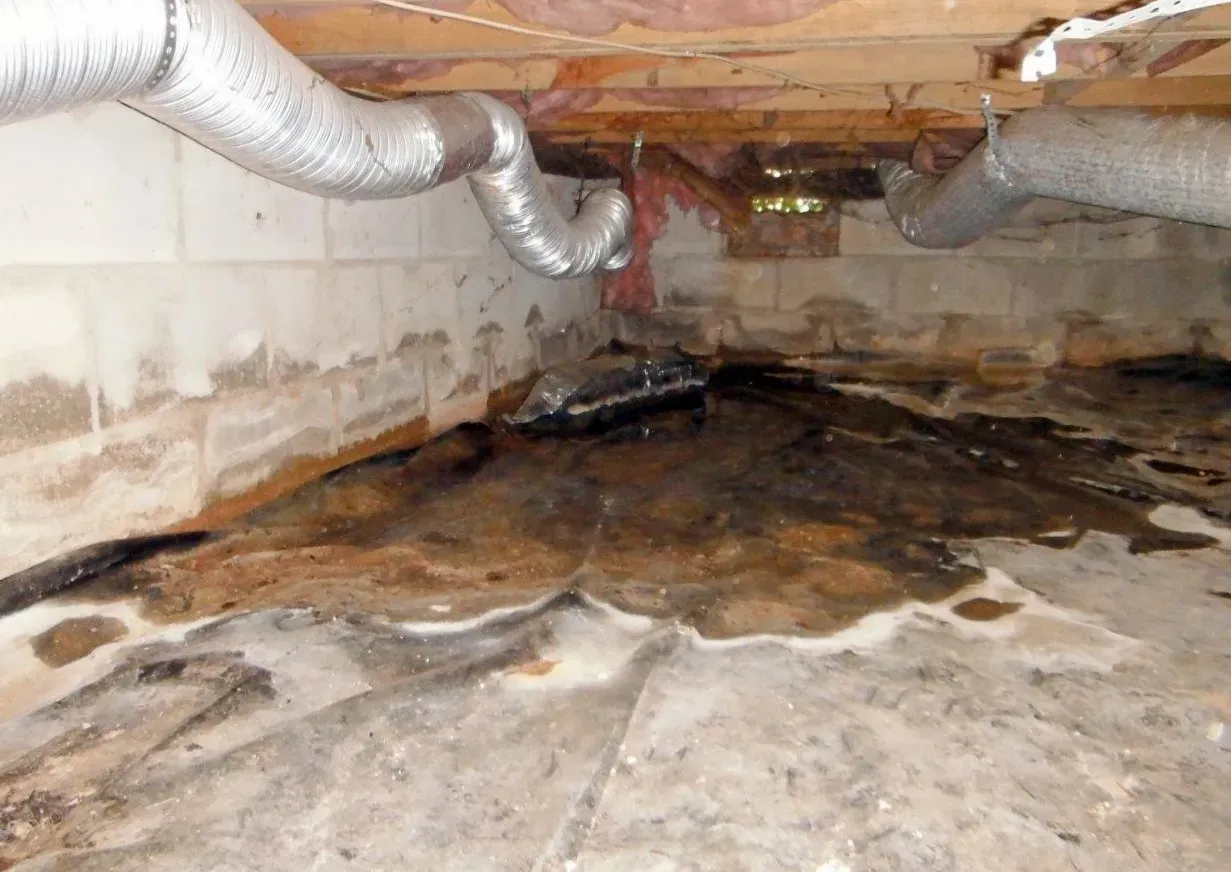
Standing Water in Crawl Spaces: Causes & Fixes
Puddles in a crawl space come from two sources: condensation dripping from above, or groundwater pushing in from below.
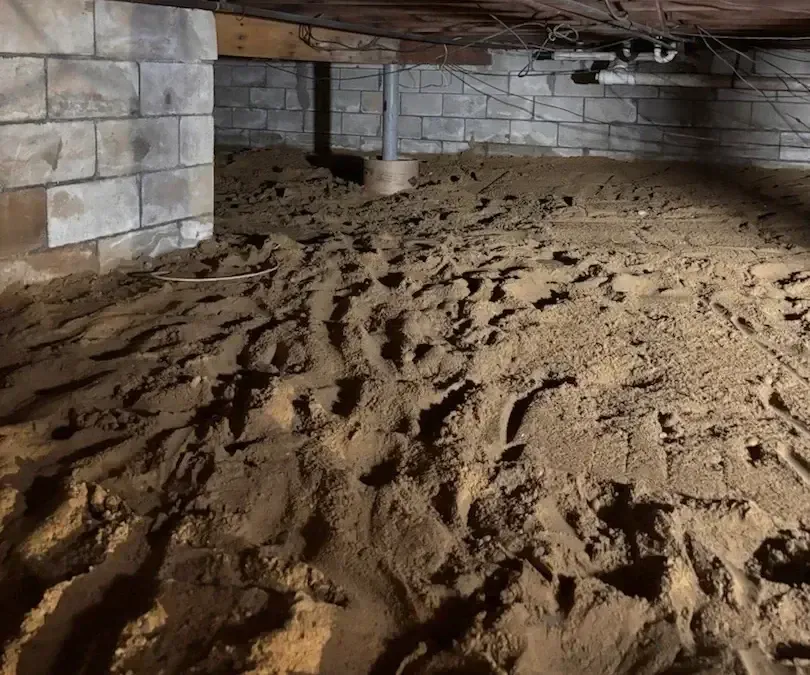
Soil Moisture & Ground Vapor: Common Misconceptions
Ground vapor contributes to odors and humidity, but it’s not what destroys crawl spaces. Learn the inside scoop.
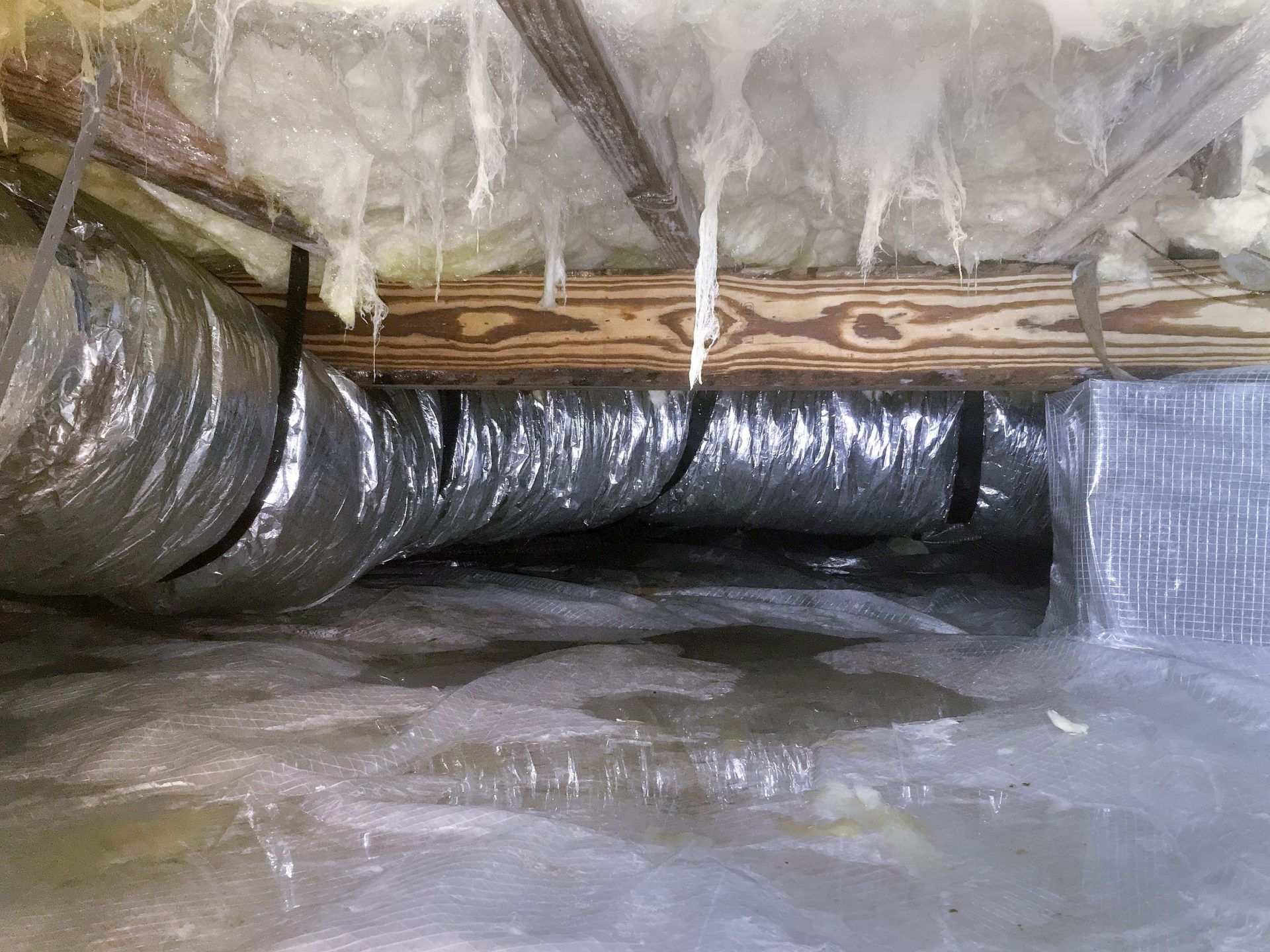
Condensation on Joists, Ducts & Insulation
When hot outdoor air hits the cold wood, ducts, and pipes under your home, it turns into water instantly. Then the damage starts.
Frequently Asked Questions
Why does my crawl space get wet even if I have a vapor barrier?
A vapor barrier only blocks moisture from the soil. In the Southeast, the real moisture source is humid outdoor air hitting the cool crawl space and creating condensation from the top down. Water on top of the vapor barrier means the moisture is falling, not rising.
Why is moisture worse in the summer?
Summer humidity in our climate routinely reaches 70–90%, and the dew point often sits in the upper 70s. When that air enters the cooler crawl space, it releases water instantly, creating daily condensation cycles that don’t happen in winter.
How can I tell if standing water is from condensation or groundwater?
Condensation puddles form on top of the vapor barrier and usually appear under ductwork, pipes, or wood surfaces.
Groundwater typically enters from the edges or corners and pools along the foundation walls after rain. The difference determines the entire repair plan.
Will mold return if I don’t fix the moisture?
Yes. Mold goes dormant in winter but regrows every summer when humidity rises above 60%. Cleaning mold without eliminating the moisture source guarantees it comes back.
Do I need a sump pump or a dehumidifier?
A sump pump is only needed if the crawl space takes on groundwater from below. A dehumidifier is required in almost every Southeastern crawl space that uses air conditioning because it prevents condensation. Many homes need both, but they solve different problems.
Can moisture really damage floors and structure?
Absolutely. Moisture cycles weaken joists, soften beams, warp subfloors, and eventually cause sagging floors and structural deterioration. Most structural issues we see are caused by years of humidity, not bad construction.
If you’re dealing with crawl space issues, we can help. We diagnose the real cause and give homeowners honest, building-science–based recommendations — never gimmicks or upsells.
