Are Crawl Space Moisture & Humidity A Problem?
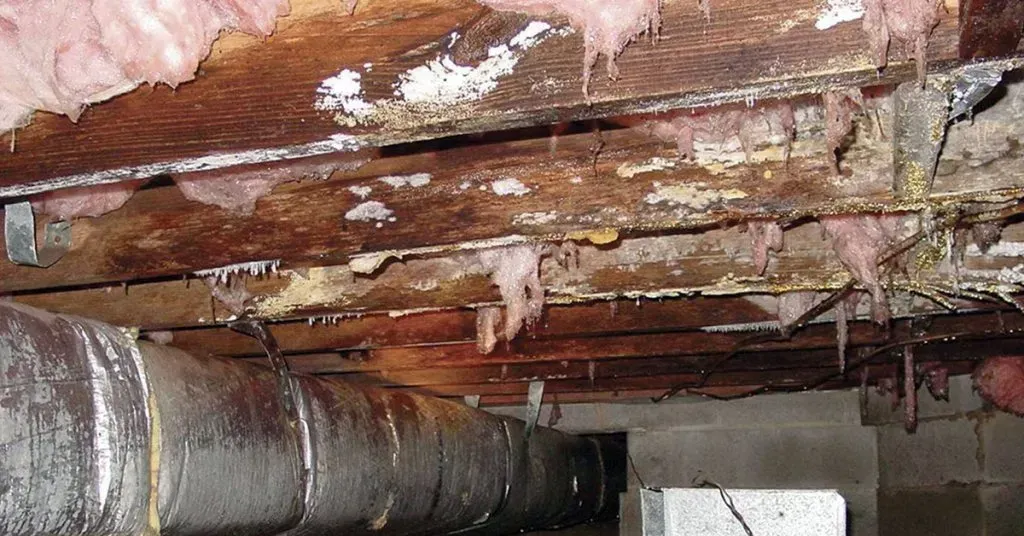
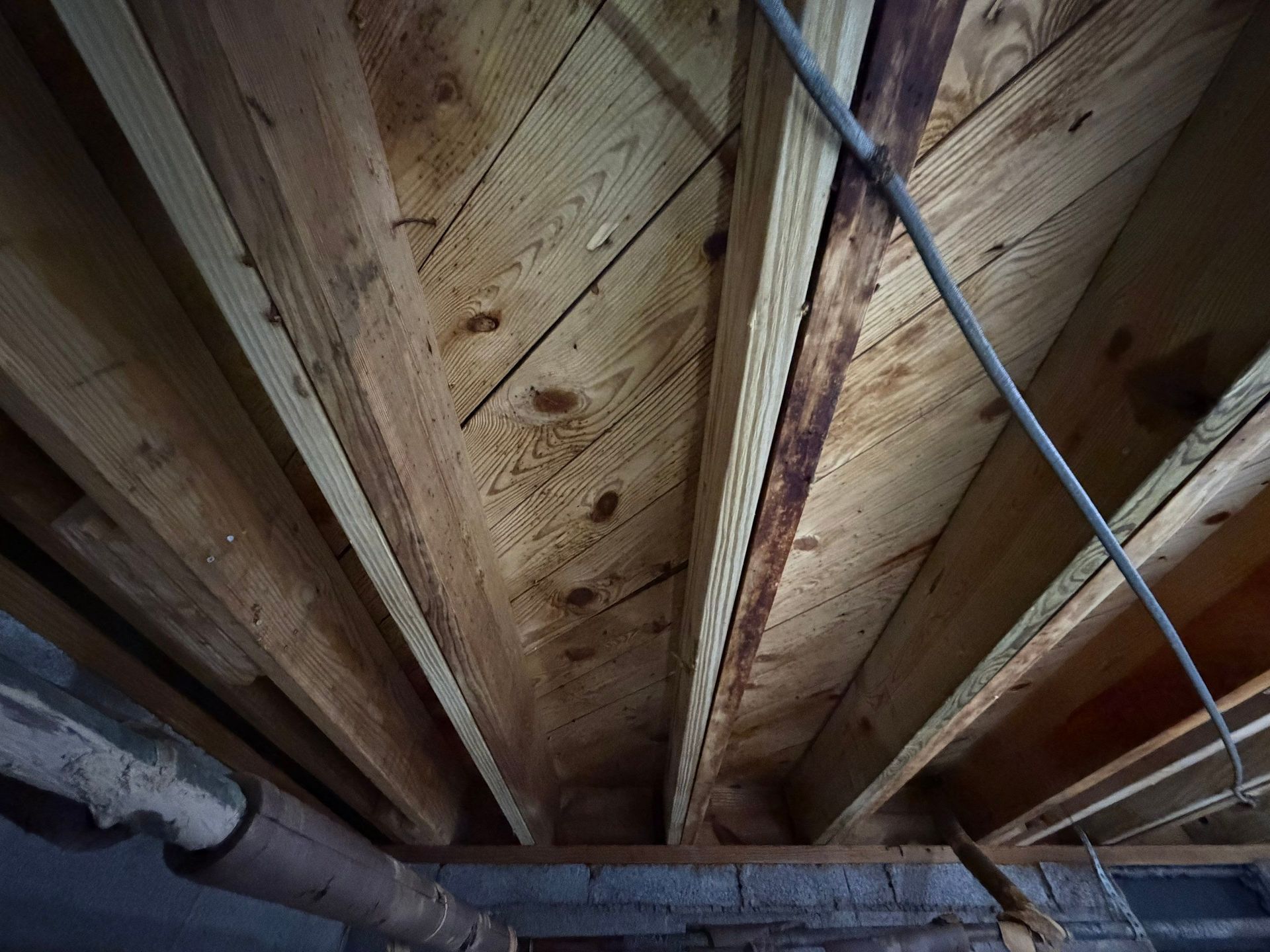
Crawl space moisture is one of the most common problems affecting homes in Hampton Roads. High humidity beneath the home creates conditions for mold growth, insulation damage, and long-term structural deterioration.
In many cases, moisture is not coming from standing water, but from humid air entering the crawl space and condensing on cooler surfaces. Identifying how moisture forms is the first step in solving the problem correctly.
What Are Signs Of High Humidity In Crawl Spaces?
High humidity in a crawl space often develops gradually and may not be immediately visible. These conditions can exist even when there is no standing water under the home.
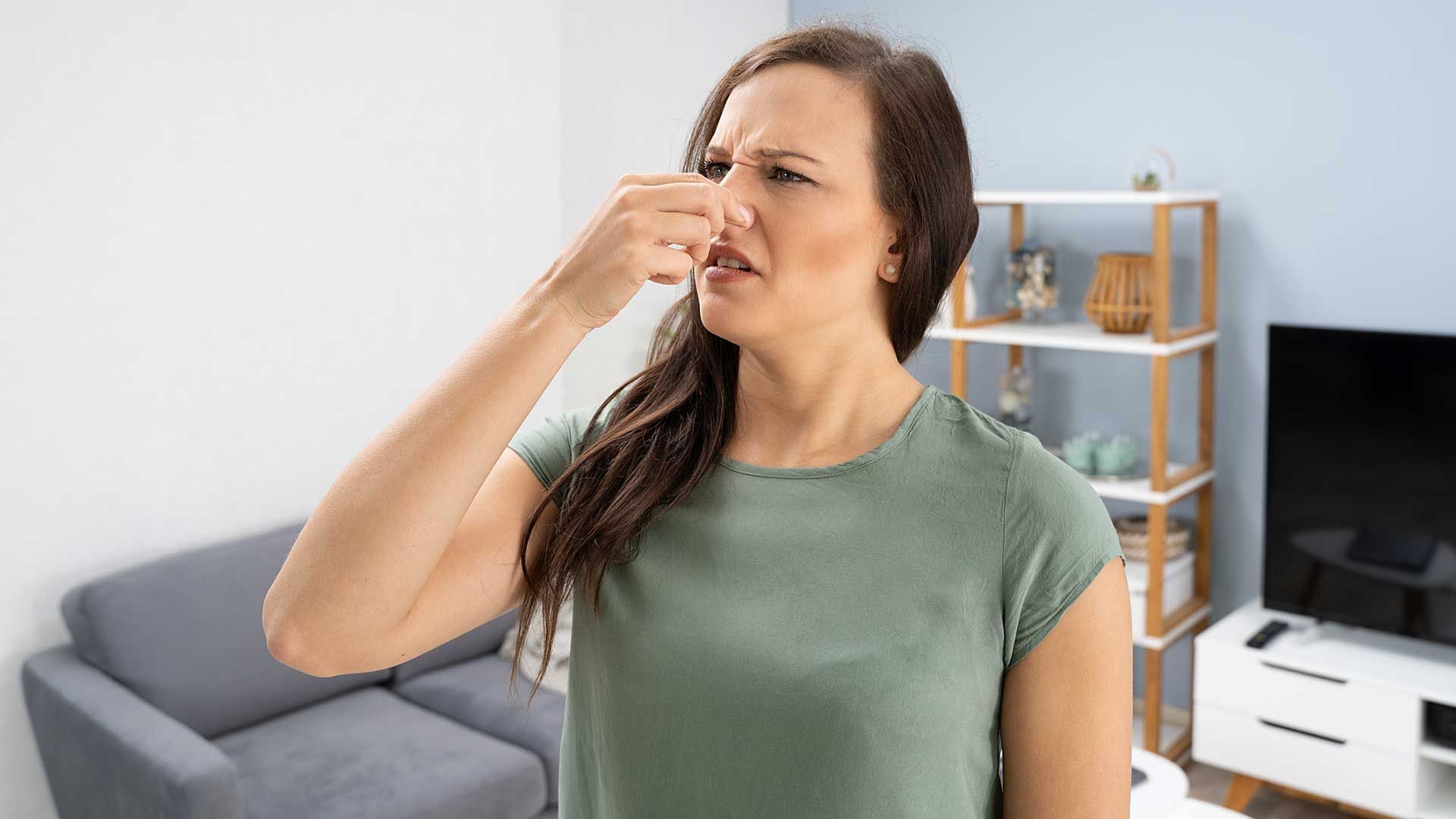
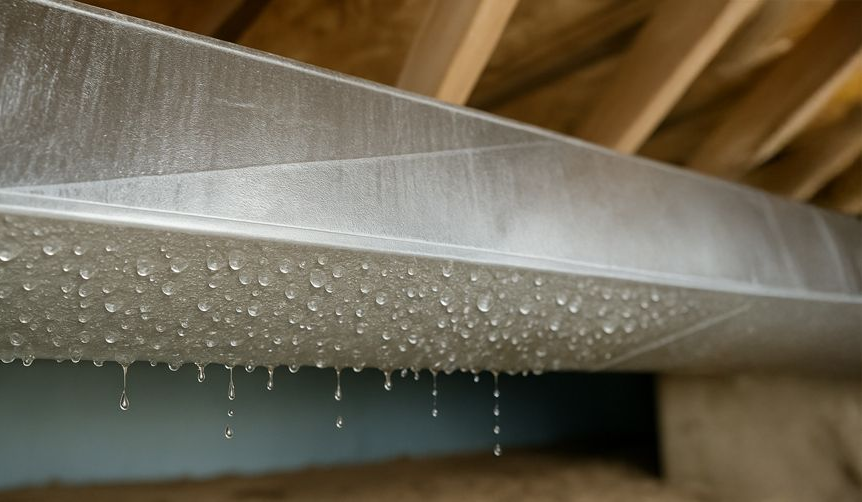
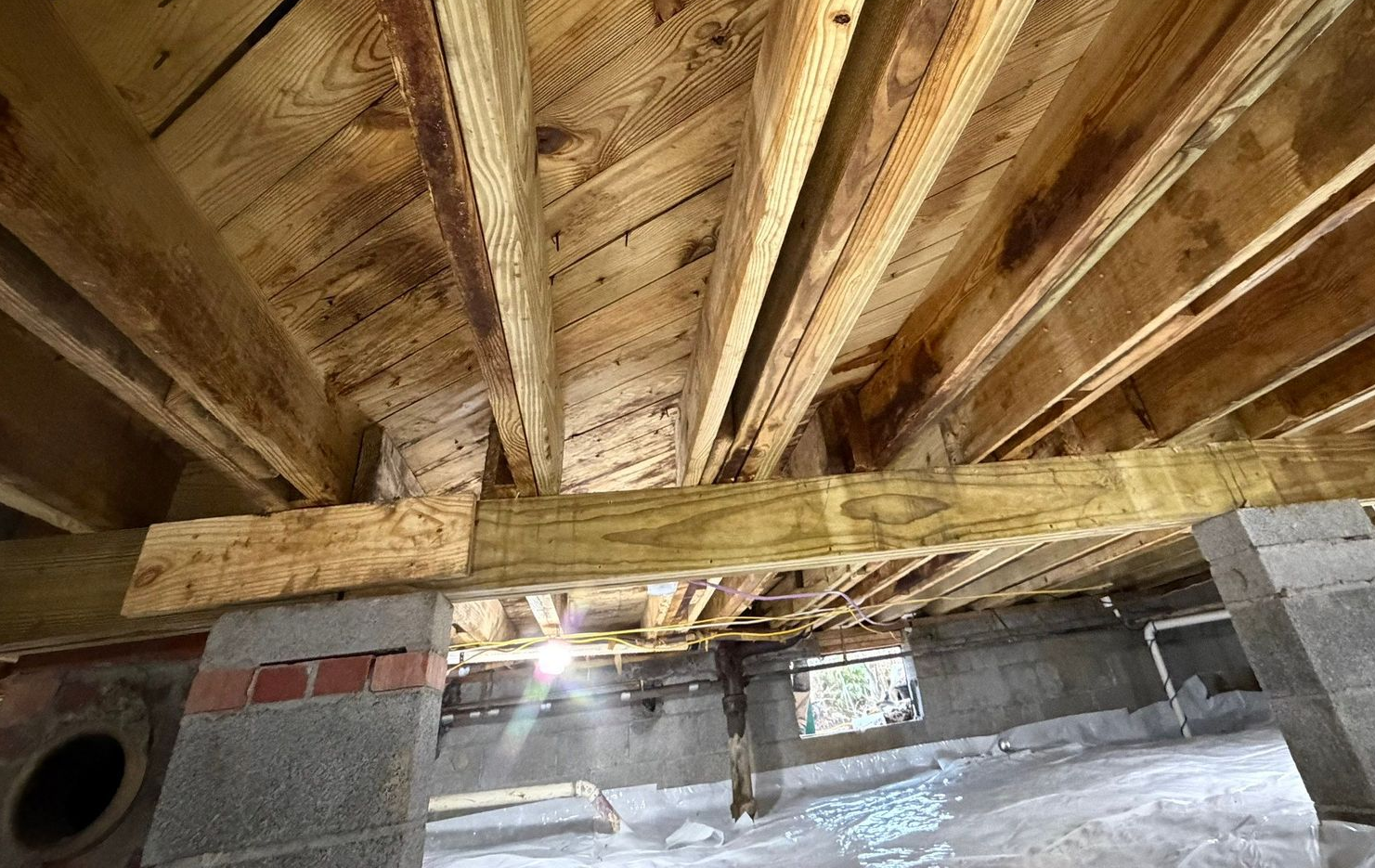
Common signs include musty odors, damp or sagging insulation, condensation on ductwork, and mold growth on surfaces. Air from the crawl space may also feel humid when entering the home through vents or floor openings.
What Causes Crawl Space Condensation?
Crawl space condensation is most commonly caused by humid outdoor air entering the crawl space during warm months. When this air contacts cooler surfaces like ductwork, insulation, and framing, moisture forms.
In Coastal Virginia, this process is amplified by high summer humidity and temperature differences between the crawl space and conditioned air systems. Open vents and air movement allow humid air to continuously enter and create moisture problems.
Why Do Some Crawl Space Moisture Fixes Fail?
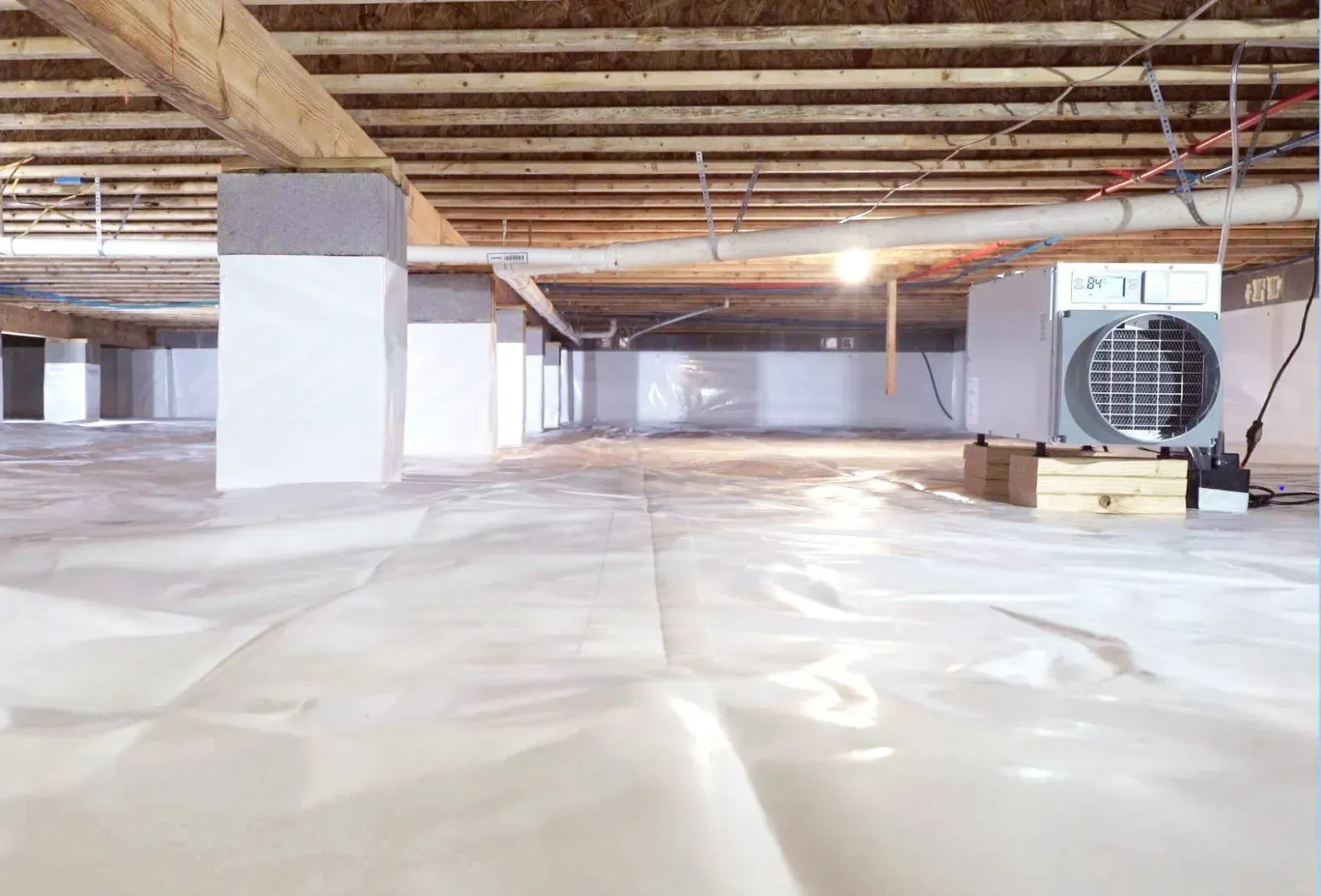
Many crawl space moisture solutions focus on sealing or covering surfaces without addressing how humidity enters the space. Installing vapor barriers or encapsulation systems without controlling air movement and moisture sources will not stop condensation.
Dehumidifiers alone also do not solve the problem if humid air continues to enter the crawl space. Without controlling airflow and humidity, moisture conditions will remain and mold and structural damage can develop over time.
How Do We Control Crawl Space Moisture?
The correct approach to crawl space moisture repair starts with identifying how humidity and air movement affect the space. Each crawl space requires a solution based on how moisture is entering and forming.
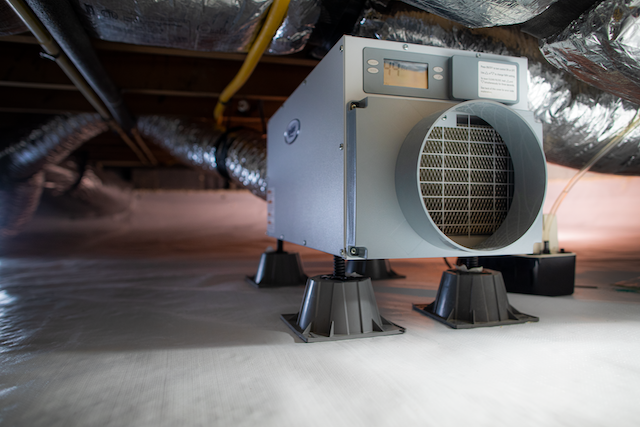
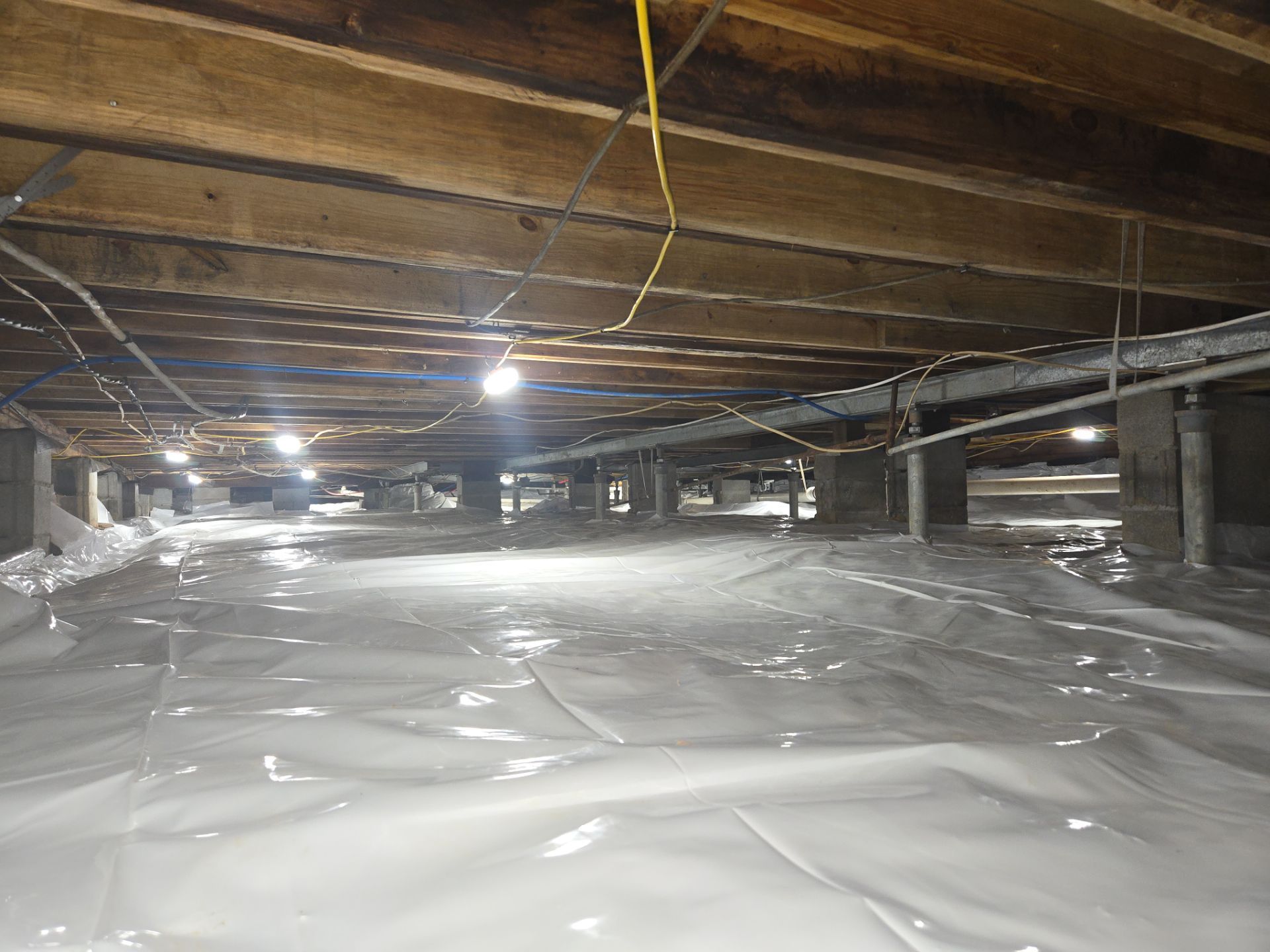
In most cases, this includes sealing vents, controlling air movement, and installing humidity control systems such as dehumidifiers. When needed, vapor barriers and drainage improvements can support long-term crawl space moisture control.
What Happens During A Crawl Space Inspection?
The first step in solving any crawl space problem is identifying the source of moisture. Every inspection is performed by the owner, a Class A licensed contractor with over 25 years of crawl space and structural repair experience.
We do not send commissioned salespeople or recommend one-size-fits-all solutions. Each crawl space inspection includes a full evaluation of moisture, drainage, and structural conditions, along with photos and a clear plan tailored to your home.
Why Do Homeowners Choose Patriot Crawl Space Repairs?
Homeowners choose our company because we are licensed Aprilaire dehumidifier installation and repair specialists with advanced crawl space moisture science expertise focused on long-term humidity control beneath Hampton Roads homes. Our company specializes in diagnosing condensation, groundwater intrusion, elevated humidity, airflow imbalance, and moisture conditions affecting crawl space performance in coastal Virginia environments.
As crawl space moisture science experts, we design practical long-term moisture control solutions around the actual environmental conditions affecting the home rather than relying on one-size-fits-all encapsulation or humidity control systems.
Crawl Space Moisture Control & Building Science Experts
In this video, Robbie McCarty explains how crawl space moisture control systems are designed to manage humidity, groundwater intrusion, condensation, and long-term crawl space performance beneath Hampton Roads homes.
Frequently Asked Questions
Is crawl space moisture a big deal?
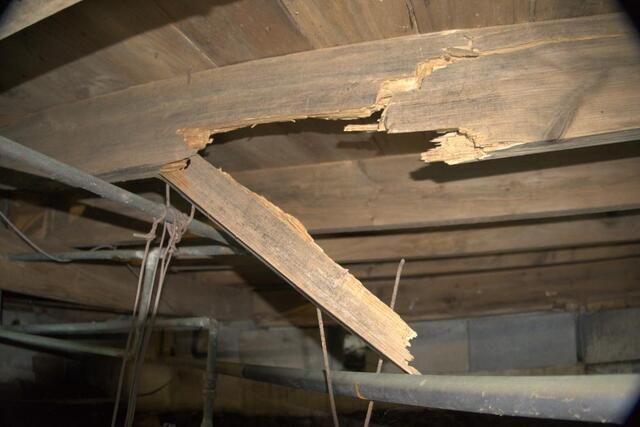
Usually, yes. A damp crawl space can eventually lead to mold growth, musty smells, wood rot, sagging floors, high humidity in the home, and damage to insulation or ductwork. Most crawl space problems start with moisture.
What causes crawl space moisture?
The most common causes are ground moisture, outside humidity entering through vents, poor drainage, plumbing leaks, standing water, or condensation on ductwork and pipes. In Hampton Roads, the high water table and humid climate make crawl space moisture extremely common.
Does every crawl space with moisture need full encapsulation?
No. Some crawl spaces absolutely benefit from encapsulation, but others are better served with drainage improvements, a properly installed vapor barrier, sealed vents, and a dehumidifier. The right solution depends on the house, the lot, and how the moisture is entering the crawl space.
Will a dehumidifier fix crawl space moisture?
In some cases a dehumidifier and air sealing the space will correct the moisture issue, but if ground water intrusion is a problem it needs to be addressed with proper drainage first.
Can crawl space moisture damage the home's structure?
Yes. Long-term moisture exposure can weaken floor joists, girders, subfloors, sill plates, and other structural framing. We see a lot of sagging floors and wood rot that started as a moisture problem years earlier.
How do you properly fix moisture in a crawl space?
The first step is figuring out where the moisture is coming from. Depending on the situation, the solution may include drainage improvements, sump pumps, vapor barriers, vent sealing, grading corrections, dehumidifiers, or structural repairs. The goal is to solve the actual moisture problem — not just cover it up with plastic.
How Does the Process Work?
Every crawl space moisture problem starts with a proper diagnosis. Here's what to expect when you contact Patriot Crawl Space Repairs.
Step 1 — Schedule a Free Inspection
Call us at (757) 960-3231 or submit a request online. We'll schedule a time that works for you, usually within a few days.
Step 2 — Owner-Led Crawl Space Evaluation - Owner Robbie McCarty personally inspects your crawl space. He evaluates drainage conditions, water entry points, moisture levels, structural damage, and overall crawl space performance. No salespeople. No commissioned reps.
Step 3 — Photos, Findings, and a Clear Plan - You receive photos of what we found, a written explanation of the problem, and an itemized scope of work with pricing. We explain what needs to be fixed, why, and in what order — so you can make an informed decision.
Step 4 — No Pressure
We don't push same-day decisions. You get time to review the plan, ask questions, and decide what's right for your home. Financing is available through Acorn Financial if needed.
Step 5 — Professional Repair by Our Crew
All work is performed by our own background-checked employees — not subcontractors. We handle drainage installation, moisture control, and any structural repairs as a licensed Class A contractor.