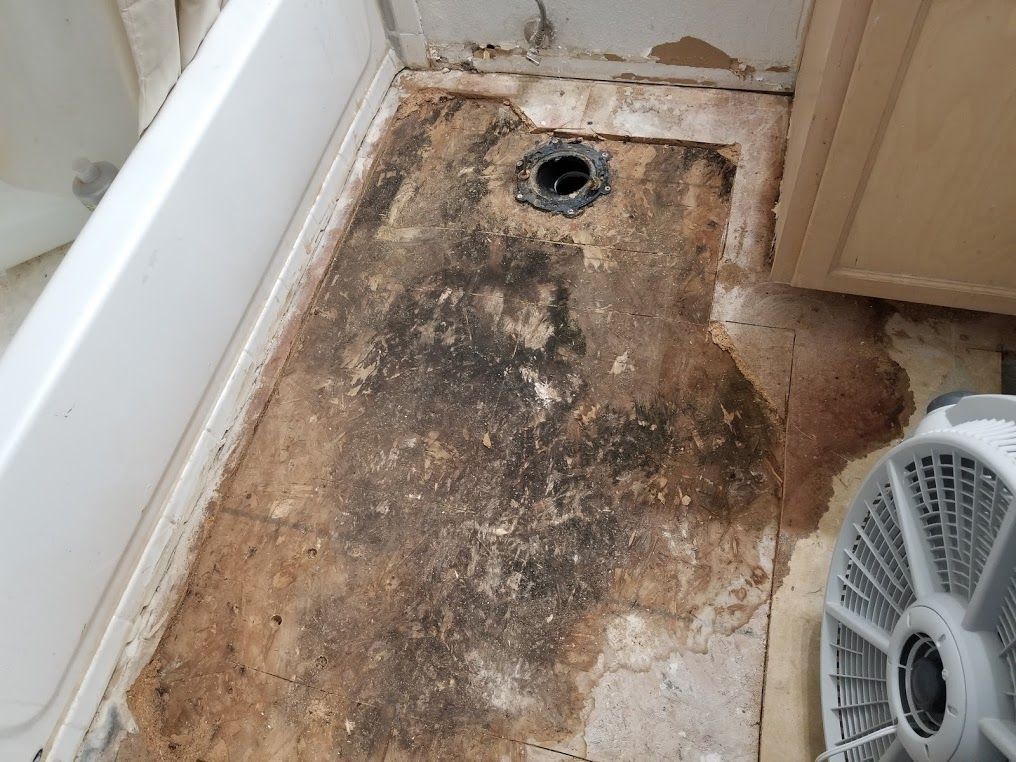
Understanding Crawl Space Mold Growth
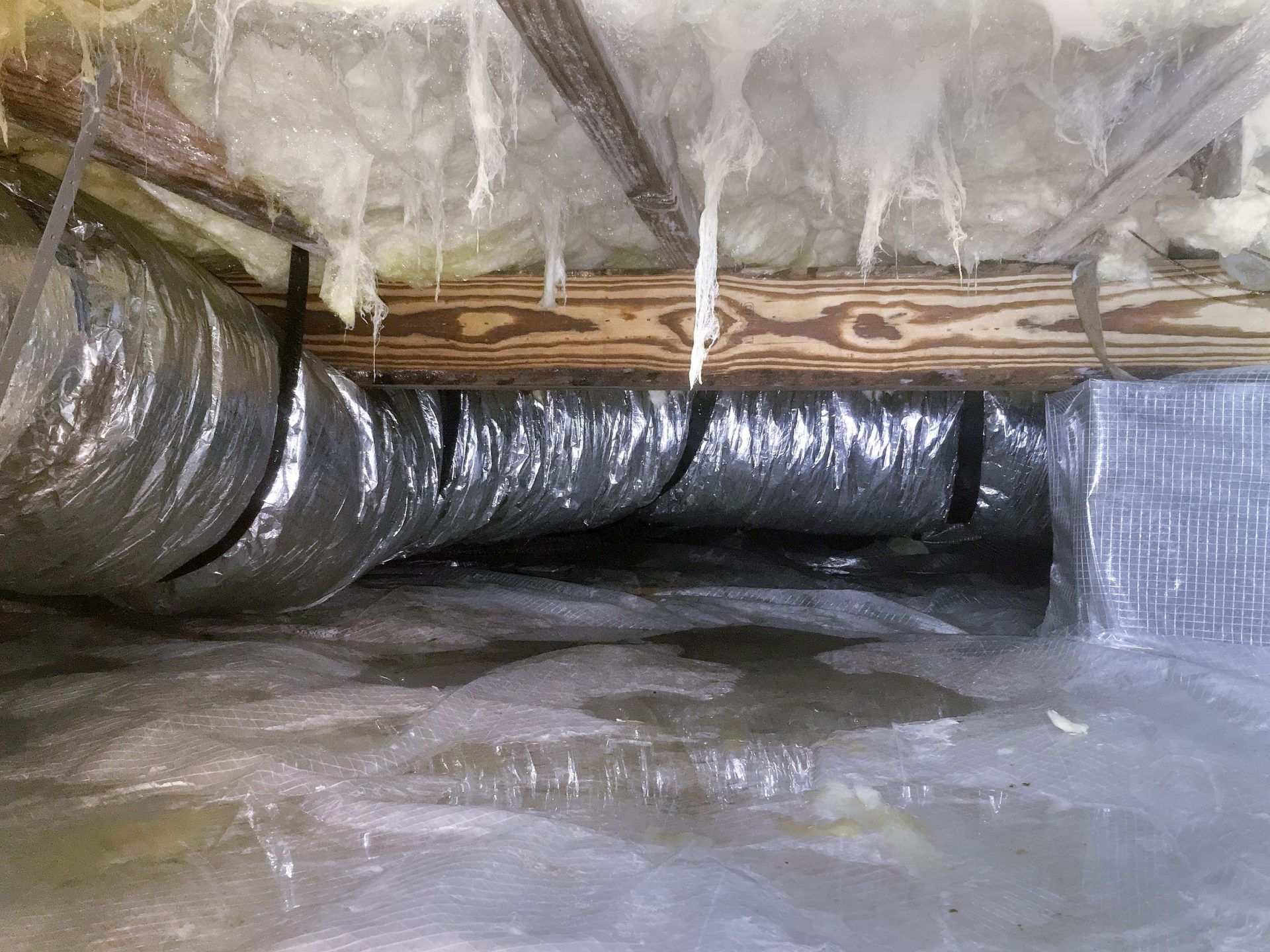
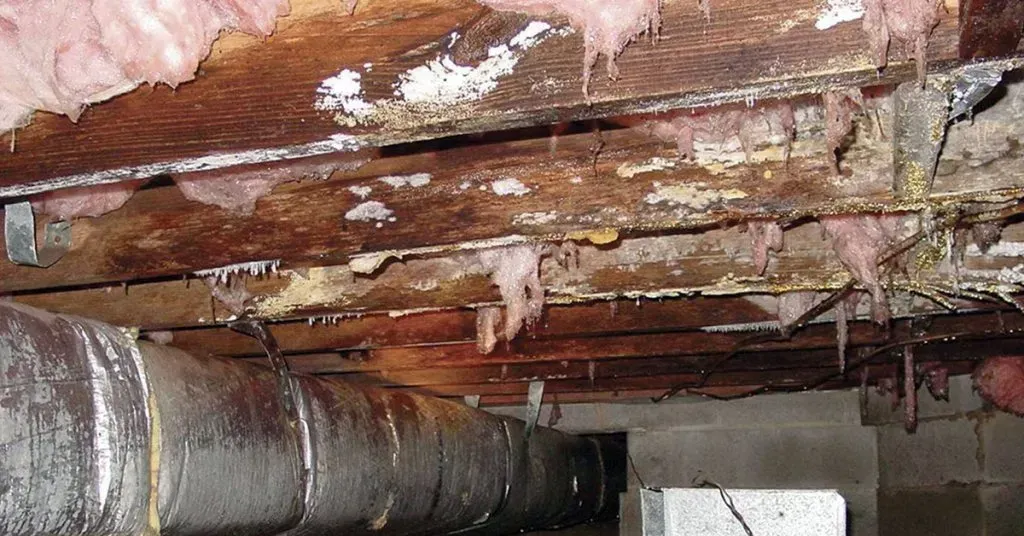
Crawl space mold is typically caused by elevated humidity, condensation, groundwater intrusion, poor airflow, plumbing leaks, or long-term moisture exposure. In coastal Virginia's climate, these conditions are common — and mold often develops gradually as excess moisture works its way through wood framing, insulation, subfloors, and HVAC systems over time.
Because crawl spaces directly influence indoor air quality and structural conditions throughout the home, understanding the moisture conditions driving mold growth is critical to any remediation that actually lasts.
Certified Mold Remediation Experience
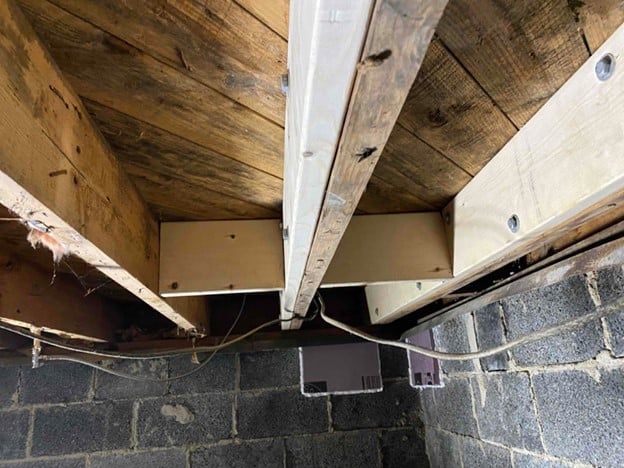
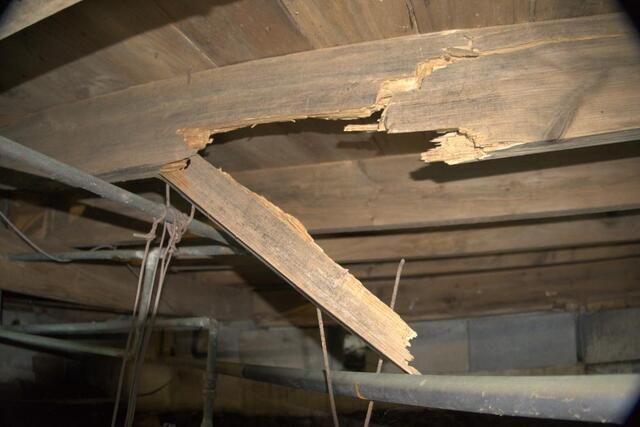
As a MICRO Certified mold remediation contractor, we regularly perform crawl space mold removal involving fungal growth on framing, moisture-damaged wood, contaminated insulation, and elevated humidity conditions throughout Hampton Roads and Southeast Virginia.
Because we also perform crawl space drainage, moisture control, and structural repairs, we evaluate mold as part of the overall crawl space environment — not as an isolated surface problem.
Why Mold Often Returns After Treatment
Mold returns when the moisture conditions that caused it are never corrected. Applying antimicrobial products without addressing humidity, groundwater intrusion, condensation, or airflow problems may temporarily change the appearance of a crawl space while allowing the same conditions to continue beneath the home.
Long-term mold prevention starts with understanding why the crawl space became wet enough to support growth in the first place.
Our Approach To Crawl Space Mold Remediation
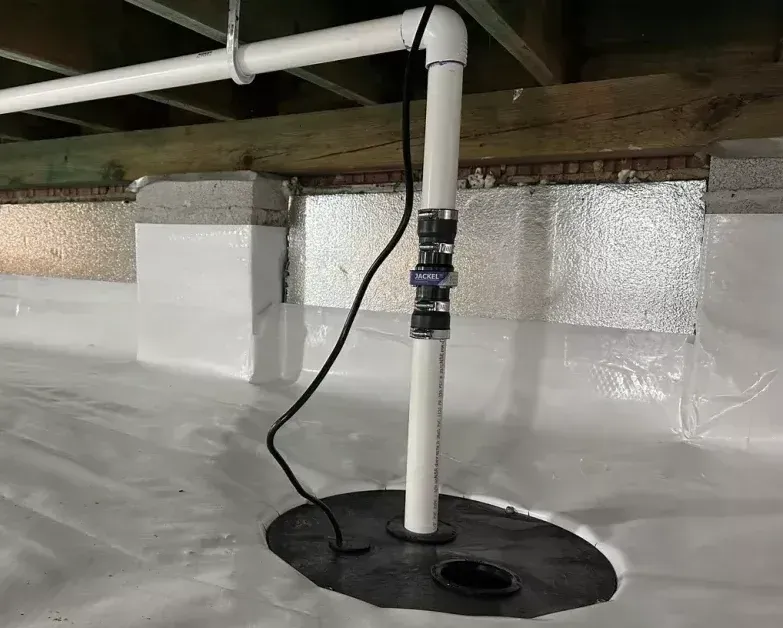
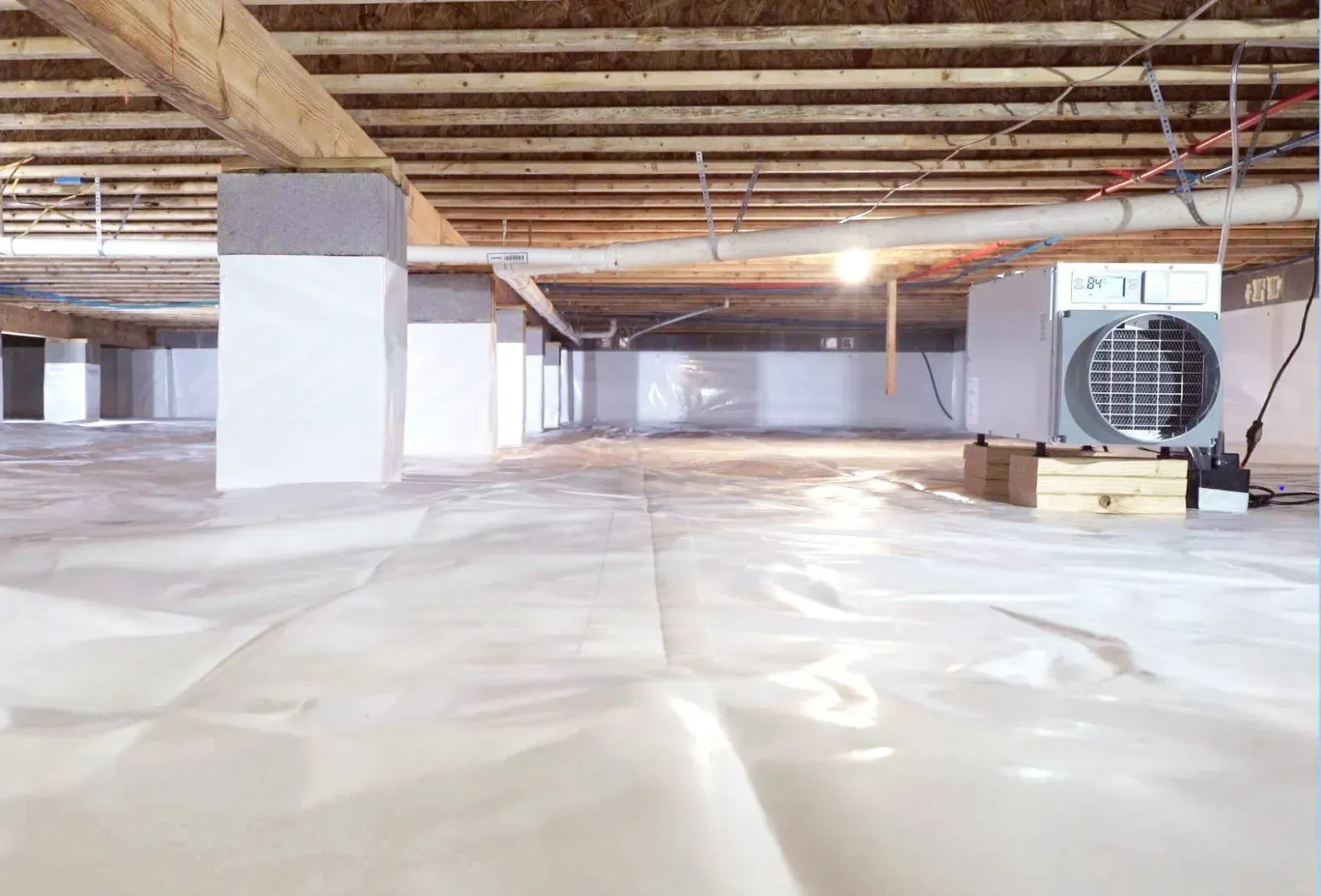
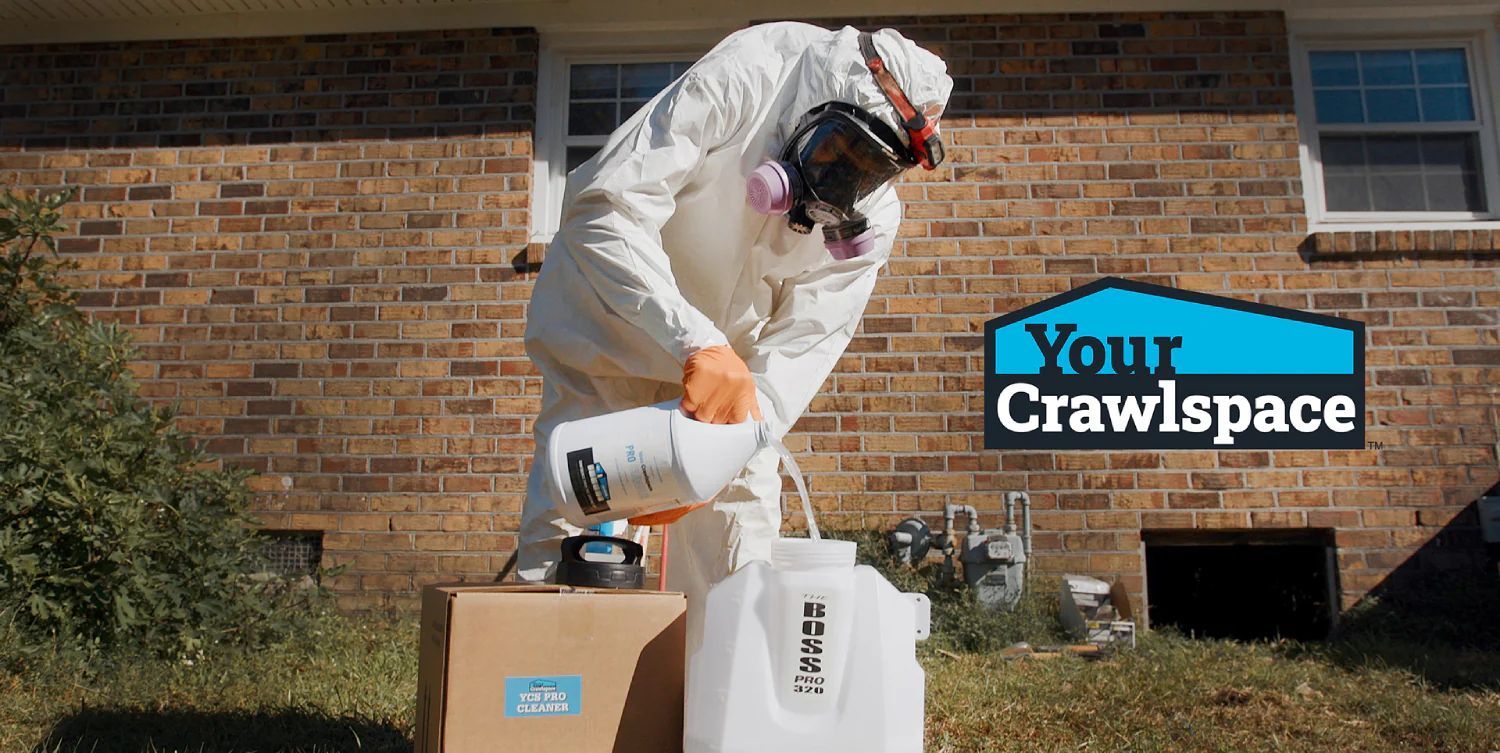
We combine physical contamination removal with moisture correction and long-term environmental control. We use YCS Pro Cleaner with hand agitation to actually remove mold from framing surfaces — not just treat them — and incorporate drainage improvements, humidity control, vapor barriers, insulation removal, or structural repairs based on what the crawl space actually needs.
The goal is to reduce active mold conditions while correcting the moisture sources driving fungal growth beneath the home.
Mold, Indoor Air Quality, and Crawl Space Conditions
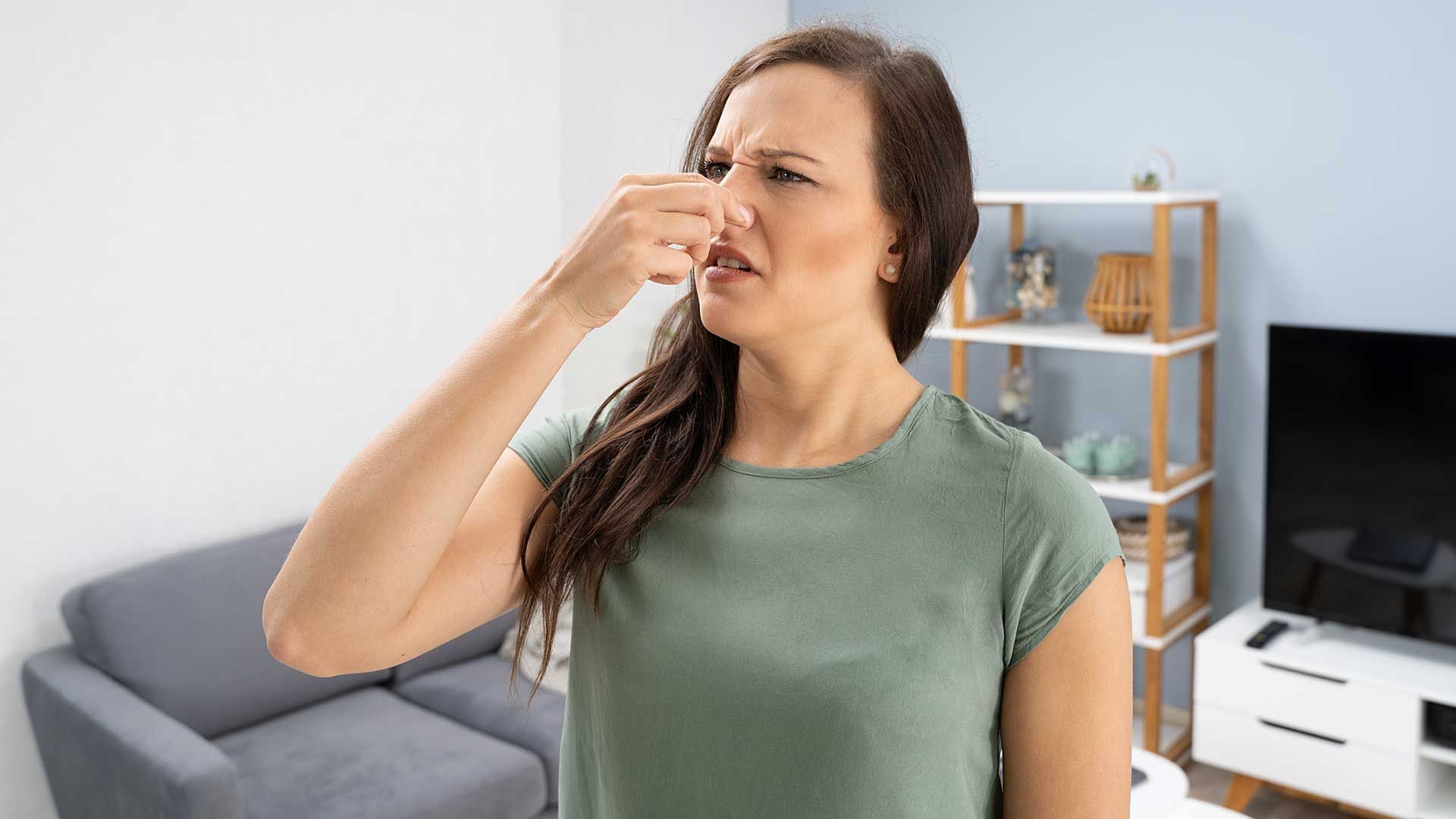
Air moves upward from the crawl space into the living area through framing cavities, plumbing penetrations, duct leakage, and natural stack effect airflow. Crawl space mold can contribute to musty odors, elevated indoor humidity, air quality concerns, and contamination affecting insulation and HVAC systems throughout the home.
This is why crawl space mold is rarely just a crawl space problem.
Why Homeowners Choose Patriot Crawl Space Repairs
As a Virginia Class A Residential Building Contractor and MICRO Certified Mold Remediation contractor, we combine certified remediation with crawl space moisture control, drainage solutions, and structural repair experience throughout Hampton Roads and coastal Virginia.
We correct the moisture conditions contributing to mold growth rather than relying on surface treatment alone. That's the difference between a remediation that holds and one that has to be redone.
Frequently Asked Questions
What causes mold growth in crawl spaces?
Crawl space mold is usually caused by elevated humidity, standing water, condensation, plumbing leaks, poor airflow, or long-term moisture exposure beneath the home. In many crawl spaces, multiple moisture conditions contribute to mold growth over time.
Could mold return after remediation?
Yes. Mold can return if the underlying moisture conditions affecting the crawl space are not properly corrected. Humidity control, drainage improvements, airflow management, and moisture prevention are important parts of long-term mold control.
Does spraying mold kill the problem permanently?
Not always. Antimicrobial treatments may help reduce fungal growth, but mold problems often continue if elevated humidity, standing water, or condensation conditions remain present beneath the home.
How does crawl space mold affect indoor air quality?
Air from the crawl space can move upward into the living space through duct leakage, framing cavities, plumbing penetrations, and natural airflow patterns inside the home. Crawl space mold may contribute to musty odors and indoor air quality concerns.
Is mold remediation different from moisture control?
Yes. Mold remediation focuses on reducing active fungal contamination, while moisture control focuses on correcting the environmental conditions that allow mold growth to develop.
What makes Patriot Crawl Space Repairs different from other crawl space mold companies?
Our company combines MICRO certified mold remediation with crawl space moisture control, drainage systems, structural repairs, and long-term crawl space environmental management. We focus on correcting the conditions contributing to mold growth rather than simply treating visible mold surfaces.