

Hampton Roads Crawl Space Journal
Expert field notes on crawl space moisture, structure, and building performance from 25 years beneath coastal Virginia homes
Watch The Full Video
Why Most Sagging Floor Repairs Are Done Wrong in Hampton Roads
By Robbie McCarty | Patriot Crawl Space Repairs | Structural Repairs
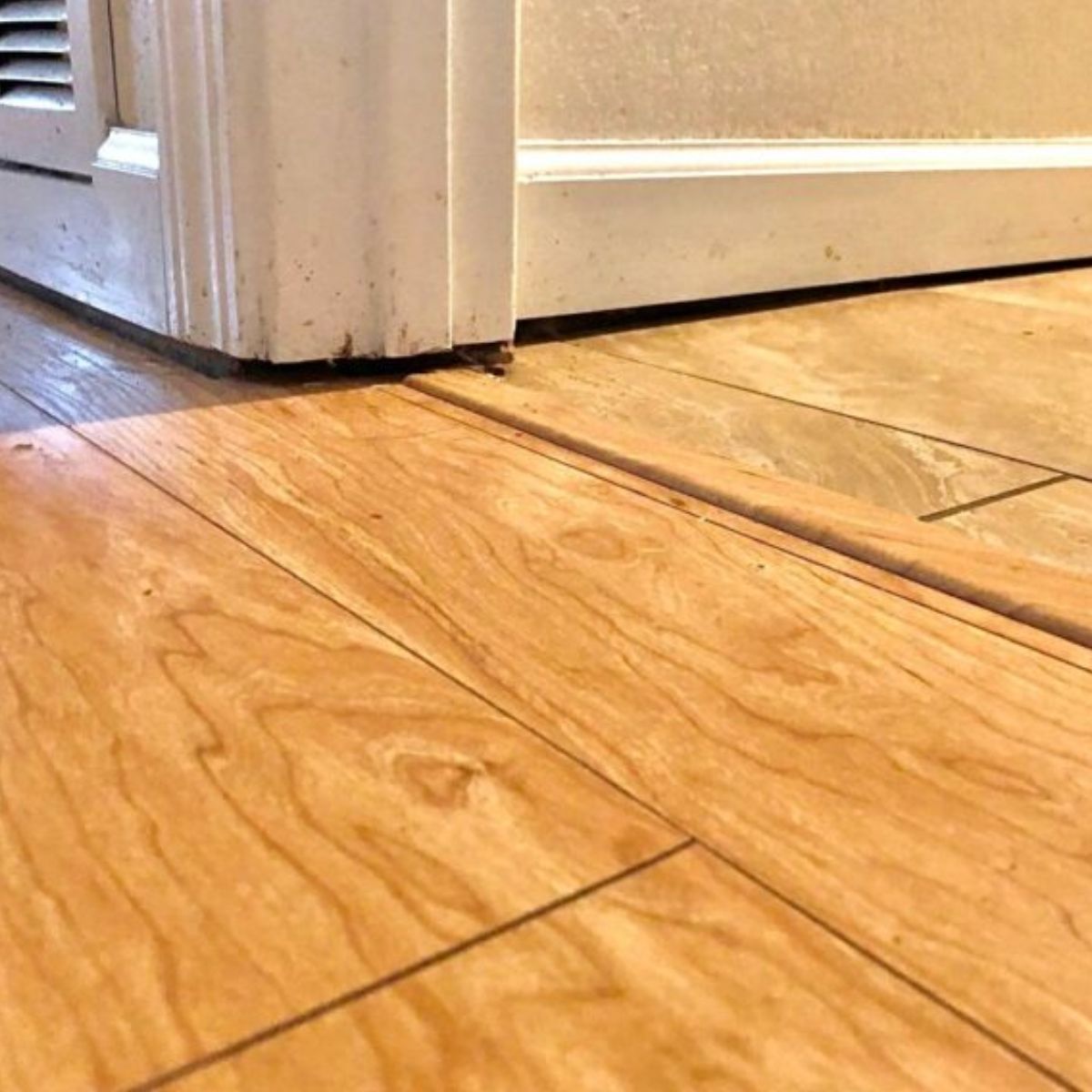
Sagging floor repairs are one of the most straightforward topics I cover — because what most companies in Hampton Roads are selling as a fix isn't a fix at all. The level of incorrectness we see in the field is hard to overstate, and homeowners are paying real money for repairs that don't correct the actual problem.
Here's what's actually going on and what a legitimate sagging floor repair looks like.
Why Wood Sags in the First Place
Before you can understand why most repairs fail you need to understand why the wood is sagging.
In Hampton Roads homes the answer is almost always the same: decades of seasonal moisture cycling. Summer brings high humidity and the wood framing beneath the home absorbs moisture and expands. Winter arrives, the crawl space dries out, and the wood contracts. Year after year that cycle causes floor joists and girder beams to cup, bow, and warp.
The wood isn't sagging because of excessive weight. It's sagging because of long-term moisture exposure that has permanently deformed the framing members. That distinction matters enormously for how the repair should be approached.
The Wood Bender Backer Problem
The most common sagging floor repair sold in Hampton Roads is a steel jack and beam system installed beneath the affected area. The pitch is that the jack pushes upward against the sagging floor and lifts it back into position.
I've been in construction since I was fifteen years old and one of the first lessons you learn on a job site is that there's no such thing as a wood bender backer. Warped wood doesn't straighten under pressure. If you jack against a bowed joist you're applying force to deformed material — the wood doesn't return to its original position, it just sits under pressure in the same deformed state it was already in.
The steel jack and beam system doesn't correct the sagging. In most cases it doesn't meaningfully improve it. What it does is generate high profit margin for the company installing it because jacks are fast to install, easy to sell, and require no real carpentry skill or expertise.
What Actually Fixes a Sagging Floor
The correct repair for moisture-warped framing is carpentry. Specifically sistering — running new straight framing members alongside the deformed ones to restore a level structurally sound floor system.
When you sister a floor joist you're placing a straight piece of wood alongside the warped one and fastening them together. The new straight wood does the structural work. The floor above it levels out because it's now bearing on straight framing rather than bowed material. That's a real correction — not a workaround.
If girder beams are involved those get sistered or replaced based on their condition. If subfloor sheathing has been affected that gets addressed from below where possible.
Carpentry repair is harder than installing jacks. It takes real skill, real experience, and real craftsmanship to perform correctly in the confined space beneath an occupied home. It also takes longer and requires more labor. That's exactly why some companies don't lead with it — and exactly why it's the repair that actually works.
When Steel Jacks Are Actually Appropriate
Steel jacks and beams do have a legitimate role in crawl space structural repair — just not as the primary correction for moisture-warped framing.
The appropriate use is adding load bearing support beneath wall sections that weren't adequately supported during original construction. If a home has heavy load bearing walls sitting above inadequate support, a properly installed steel jack on a solid footer provides the structural capacity that should have been there from the start.
But that repair comes after the carpentry work — not instead of it. You sister the joists to get the wood straight and level first. Then if genuine load bearing deficiencies exist you address those with steel support as a secondary measure.
What to Listen For When Getting Quotes
If a contractor is leading with a jack and beam proposal for your sagging floors without a detailed conversation about the condition of the framing and why carpentry isn't the primary repair — that's the signal you need a second opinion.
A legitimate structural repair proposal for moisture-warped floors should center on sistering the affected framing members. Steel jacks should be a secondary conversation if they're relevant at all. And any proposal should address moisture control because repairing moisture-damaged framing without correcting the crawl space environment just starts the same process over again on the new wood.
The Bottom Line
There is no wood bender backer. Warped framing gets corrected with straight wood installed alongside it — not with steel pressure applied against deformed material. Carpentry is harder, takes more skill, and costs the contractor more to deliver. It also actually fixes the problem.
If you want a straight assessment of what's actually causing your floors to sag and what it takes to correct it correctly, I'll come out personally and take a look.
Proudly serving homeowners throughout Hampton Roads including Newport News, Yorktown, Poquoson, Hampton, Norfolk, Virginia Beach, Chesapeake, Suffolk, Williamsburg, Gloucester, and surrounding areas.
About The Author
Robbie McCarty is the owner of Patriot Crawl Space Repairs and a Virginia Class A Residential Building Contractor (DPOR #2705176108) and MICRO Certified Mold Remediation contractor with over 25 years of crawl space repair experience throughout Hampton Roads and coastal Virginia. He has personally evaluated and repaired thousands of crawl spaces beneath homes in Suffolk, Chesapeake, Virginia Beach, Norfolk, Newport News, Williamsburg, and surrounding communities.
