
Hampton Roads Crawl Space Journal
Expert field notes on crawl space moisture, structure, and building performance from 25 years beneath coastal Virginia homes
Watch The Full Video
Crawl Space Mold Remediation: What Actually Removes It and What Doesn't
By Robbie McCarty | Patriot Crawl Space Repairs | Structural Repairs
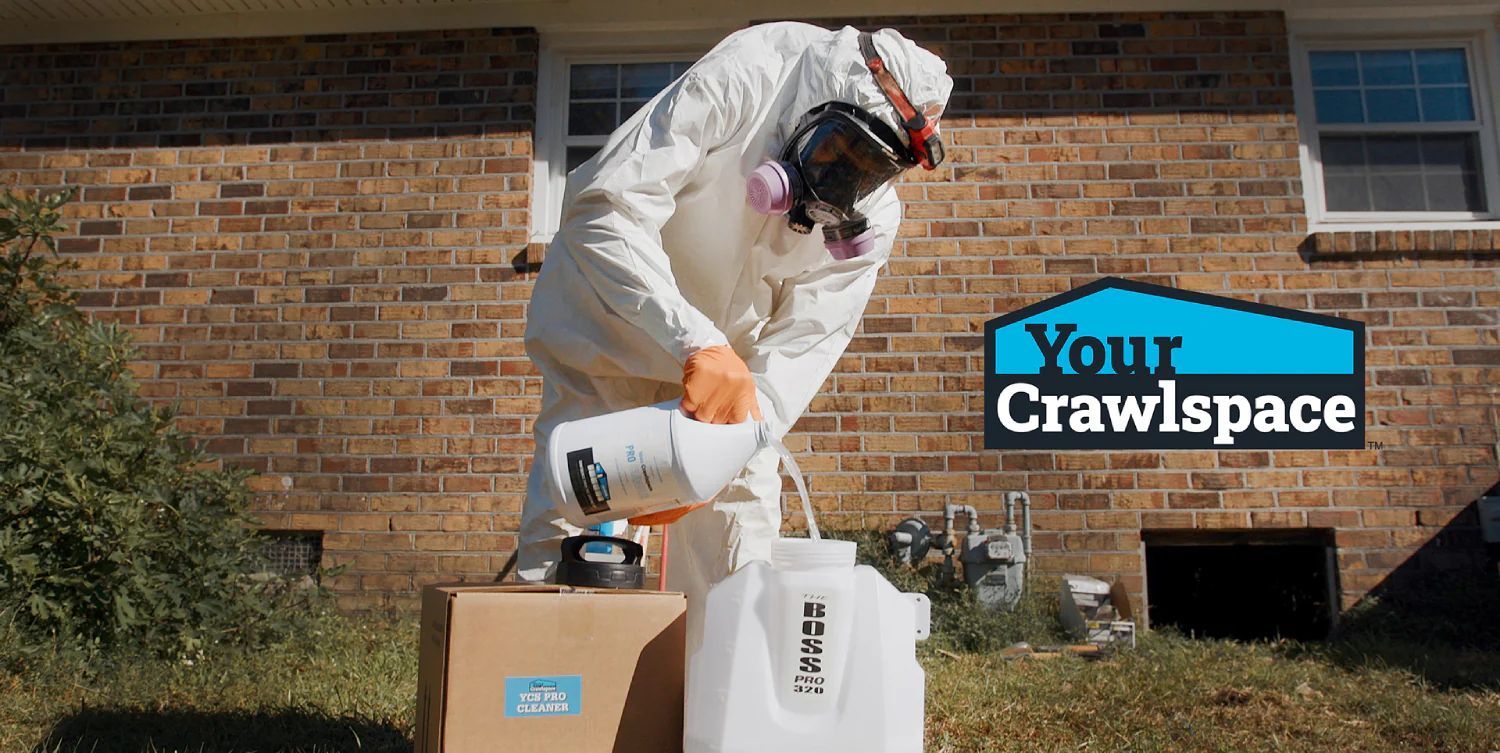
There's a lot of confusion around crawl space mold remediation — and some of it is being created by companies selling treatments that don't actually do what homeowners think they're paying for. If you have a pest control warranty that includes a mold or fungus treatment, here's what you need to know before you assume that problem is handled.
What Pest Control Mold Treatments Actually Do
Most pest control companies with termite or wood-destroying organism warranties offer a mold or fungus treatment in the form of products like Timbor or Boricare. These are borate-based treatments applied to wood surfaces as a fungicide and insecticide.
Here's the honest assessment of what they do and don't do:
They're designed to slow wood deterioration from fungal activity — essentially a wood preservative application. That's a legitimate and narrow use. But every one of those products states clearly in its own documentation that it is not effective without proper moisture control in place. If the crawl space moisture conditions driving mold growth haven't been corrected, the treatment isn't doing meaningful work.
More importantly for homeowners concerned about indoor air quality: these treatments do not remove mold. They apply a chemical to the surface of wood that already has mold on it. The mold contamination — the spores, the biological material, the source of what's getting into your ductwork and living space — is still there.
In some cases the application can actually make things worse. Disturbing mold colonies during spraying can cause spores to detach and become more airborne, temporarily increasing the contamination load in the crawl space air.
What Actual Mold Remediation Involves
Real mold remediation removes the mold. That's the distinction that matters.
Our process as a MICRO Certified mold remediation contractor:
Step one: remove contaminated materials. Insulation and ductwork insulation that have been colonized by mold need to come out. These fibrous materials hold mold in a way that can't be effectively cleaned in place — the contamination is throughout the material, not just on the surface. Trying to clean heavily contaminated insulation is not remediation.
Step two: physically clean the hard surfaces. We apply YCS Pro Cleaner — a high concentration peroxide-based cleaner — to wood framing, pipes, and other hard surfaces in the crawl space. Then we hand wipe every surface. The physical removal of mold from the surface is what the treatment is for — not just killing it in place and leaving the biological material on the wood.
Step three: replace removed materials. Once surfaces are clean and the environment is under control, insulation and any other removed materials are replaced.
Step four: control the moisture permanently. This is non-negotiable. Mold and fungus require elevated moisture to survive. If the crawl space moisture conditions aren't corrected after remediation, mold will re-establish within a month or two. Every dollar spent on remediation without addressing moisture is temporary.
Permanent moisture control means sealing the foundation vents, installing a properly sized dehumidifier, and addressing any groundwater intrusion through drainage and sump pump installation if needed.
Why Sequence Matters
Remediation before moisture control is backwards. Cleaning mold from a crawl space that still has elevated humidity and active moisture intrusion just resets the clock. The correct sequence is:
- Identify and understand the moisture sources driving the problem
- Remediate the existing contamination
- Install moisture control systems that prevent recurrence
- Replace any materials that were removed
Skipping or reversing any of those steps produces a result that doesn't hold.
What to Ask If You're Getting Quotes
If a company is proposing a spray treatment as crawl space mold remediation, ask them directly whether that treatment physically removes mold from the surfaces or just applies a chemical to existing growth. The answer tells you whether you're getting remediation or a coating.
Legitimate remediation involves physical removal. Anything short of that is maintenance at best and a sales pitch at worst.
The Bottom Line
Crawl space mold remediation done correctly removes the contamination, replaces compromised materials, and permanently controls the moisture conditions that allowed mold to develop in the first place. Spray treatments from pest control companies are not a substitute for any of those steps.
If you want to know what's actually growing beneath your home and what it takes to address it properly, I'll come out personally and take a look.
Proudly serving homeowners throughout Hampton Roads including Newport News, Yorktown, Poquoson, Hampton, Norfolk, Virginia Beach, Chesapeake, Suffolk, Williamsburg, Gloucester, and surrounding areas.
About The Author
Robbie McCarty is the owner of Patriot Crawl Space Repairs and a Virginia Class A Residential Building Contractor (DPOR #2705176108) and MICRO Certified Mold Remediation contractor with over 25 years of crawl space repair experience throughout Hampton Roads and coastal Virginia. He has personally evaluated and repaired thousands of crawl spaces beneath homes in Suffolk, Chesapeake, Virginia Beach, Norfolk, Newport News, Williamsburg, and surrounding communities.
