
Hampton Roads Crawl Space Journal
Expert field notes on crawl space moisture, structure, and building performance from 25 years beneath coastal Virginia homes
Watch The Full Video
What's Causing That Musty Smell in Your Home If You're on a Crawl Space Foundation
By Robbie McCarty | Patriot Crawl Space Repairs | Structural Repairs
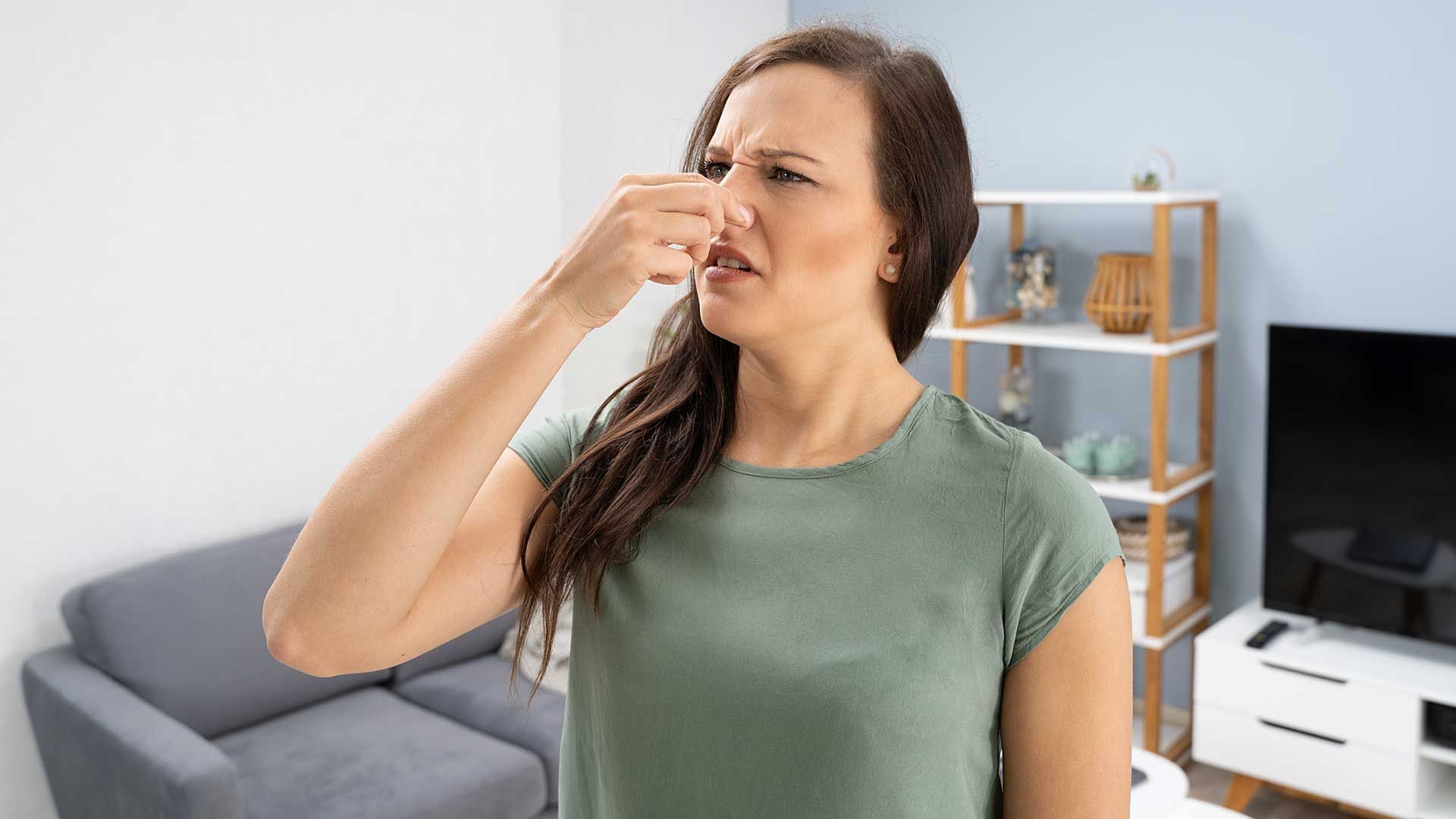
If you live on a crawl space foundation and you've noticed a musty smell in your home, the source is almost certainly beneath your feet. It's one of the most common complaints we hear from Hampton Roads homeowners — and the good news is it's a solvable problem once you understand what's actually driving it.
What That Smell Actually Is
The musty odor is mold and fungus. When a crawl space carries elevated humidity over time — which is the default condition for most vented crawl spaces in coastal Virginia — mold and fungus establish themselves on the surfaces beneath the home. The smell those organisms produce migrates upward into the living space through the floor and through the ductwork system.
Think of it like wet towels sitting under your home. That's essentially what's happening — fibrous materials saturated with moisture and covered in biological growth producing a smell that works its way into every room above it.
Where the Mold Is Actually Growing
The two surfaces that get hit hardest are the insulation and the ductwork — and both for the same reason. Fiberglass batt insulation is a fibrous cottony material that holds moisture and gives mold an ideal surface to colonize. Ductwork is wrapped in insulation for the same reason. Once mold establishes itself in those materials it doesn't leave on its own.
Wood framing can also carry mold growth, particularly in crawl spaces with more severe moisture conditions. But insulation and ductwork are typically the primary odor sources because of how readily they absorb and hold moisture.
How the Smell Gets Into Your Home
Two pathways. First, air moves naturally upward through a home via stack effect — rising from the crawl space through floor penetrations, framing cavities, and gaps into the living space above. Second, and often more directly, the ductwork that runs through the crawl space is pulling air from that environment and distributing it throughout the home every time the HVAC system runs.
If your ductwork insulation is contaminated, your HVAC system is essentially spreading the problem into every room.
Why Replacing the Materials Alone Doesn't Fix It
This is where a lot of homeowners get stuck in a cycle of spending money without solving the problem. Removing contaminated insulation and replacing it addresses the current symptom — but if the moisture conditions beneath the home don't change, the new insulation starts the same process over again.
Mold and fungus require moisture to survive. Remove the moisture source and they can't grow. Leave the moisture source in place and no amount of cleaning or replacement materials produces a lasting result. You're just resetting the clock.
The Correct Fix
There are two phases to solving a crawl space musty smell problem permanently.
Phase one: remove the contaminated materials and clean the wood. Compromised insulation has to come out. Ductwork insulation that's been colonized needs to be evaluated and addressed. Mold growth on wood framing surfaces needs to be properly remediated — not just sprayed with antimicrobial and left in place. As a MICRO Certified mold remediation contractor we use YCS Pro Cleaner with hand agitation to physically remove mold from framing surfaces rather than just treating them.
Phase two: control the moisture going forward. This is the permanent fix. Specifically:
- Seal the crawl space vents to eliminate the primary source of outside humid air entering the space
- Install a properly sized dehumidifier to mechanically manage the remaining moisture load
- Address groundwater if present — through exterior grading corrections, an interior drainage system, or a sump pump depending on how water is entering the space
Once the crawl space environment is controlled, mold and fungus cannot sustain themselves. The biology is straightforward — they require a certain moisture content to survive. Eliminate the moisture and you eliminate the problem.
What to Do If You're Noticing This in Your Home
A musty smell that's been present for a while usually means conditions beneath the home have been developing for some time. The sooner the crawl space gets evaluated the less remediation work is typically required.
If you want a straight assessment of what's happening beneath your home and what it takes to correct it, I'll come out personally and take a look.
Proudly serving homeowners throughout Hampton Roads including Newport News, Yorktown, Poquoson, Hampton, Norfolk, Virginia Beach, Chesapeake, Suffolk, Williamsburg, Gloucester, and surrounding areas.
About The Author
Robbie McCarty is the owner of Patriot Crawl Space Repairs and a Virginia Class A Residential Building Contractor (DPOR #2705176108) and MICRO Certified Mold Remediation contractor with over 25 years of crawl space repair experience throughout Hampton Roads and coastal Virginia. He has personally evaluated and repaired thousands of crawl spaces beneath homes in Suffolk, Chesapeake, Virginia Beach, Norfolk, Newport News, Williamsburg, and surrounding communities.
