
Call Us Today To Schedule An Inspection At (757) 960-3231

Watch The Full Video
Sagging and Uneven Floors: What's Really Causing Them and How We Fix It
By Robbie McCarty | Patriot Crawl Space Repairs | Structural Repairs
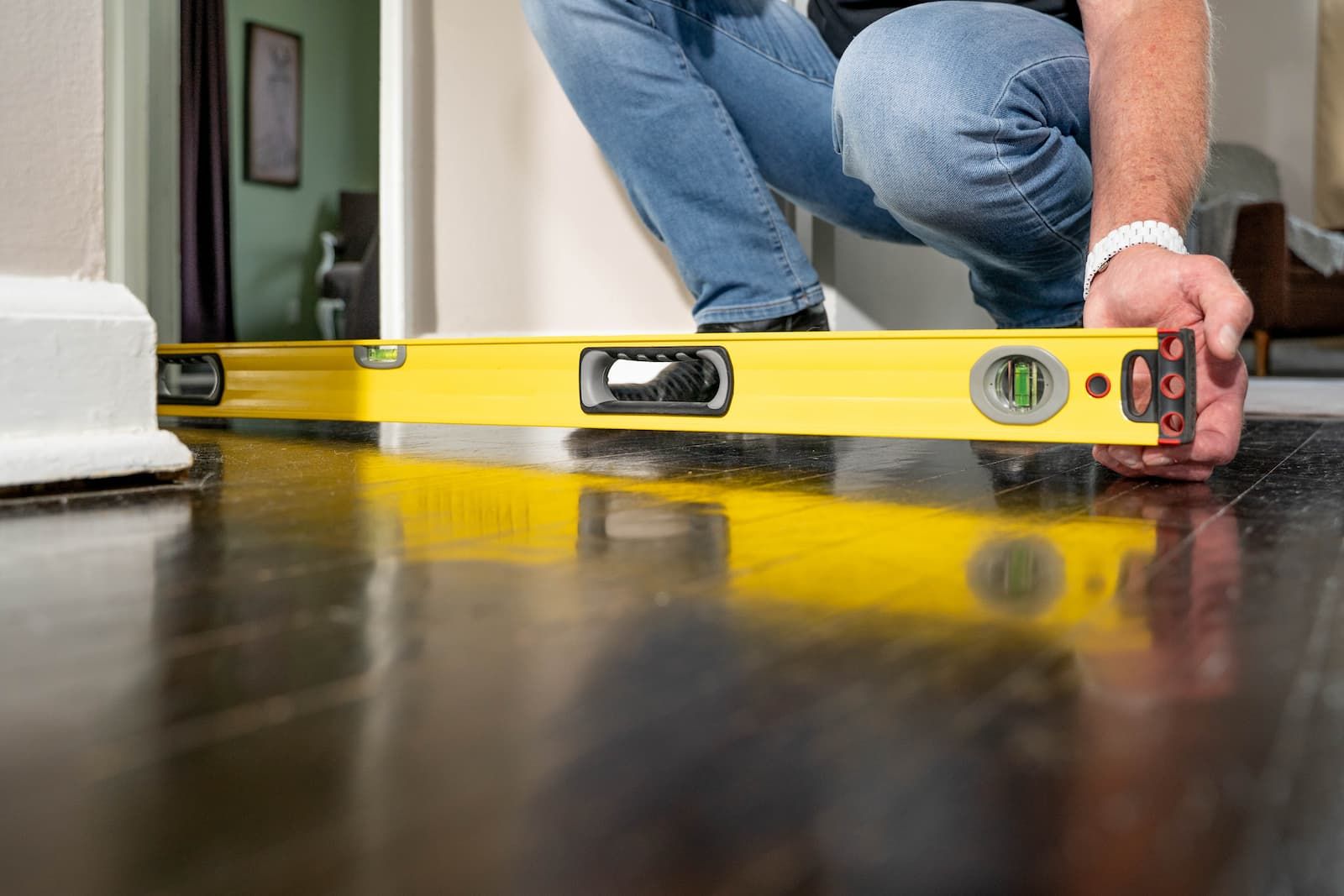
If your home is more than 10 or 20 years old and you're noticing areas where the floor sags, slopes, or feels uneven underfoot, you're not alone. It's one of the most common concerns we hear from Hampton Roads homeowners — and the first question is almost always the same: is this a foundation problem?
In most cases it isn't. Here's what's actually going on.
It's Usually a Wood Problem, Not a Foundation Problem
Sagging and uneven floors are typically caused by bowing or deflected floor joists and girder beams — the wood framing members that support the floors above your crawl space. When those members move, the floor above them moves with them.
What causes them to move is almost always moisture.
How Hampton Roads Moisture Cycles Damage Framing
Homes with vented crawl spaces in this region go through the same cycle year after year. Summer brings high humidity and the wood framing beneath the home absorbs significant moisture. Winter arrives, the crawl space dries out, and that wood dries back down. Repeated expansion and contraction over years causes joists to cup and bow.
Here's what makes this tricky: when you get into the crawl space and put your hand on those joists they often feel solid. The wood hasn't rotted — it's just deformed from years of moisture cycling. But the floors above it are sloping and bouncy because the framing is no longer straight.
A few conditions make this worse. Load bearing walls sitting directly above compromised joists add compressive weight that accelerates deflection. Ductwork running beneath joist bays creates localized humidity in summer that concentrates moisture exposure right where you don't want it.
Why Jacks Alone Don't Fix This
This is the part that gets a lot of homeowners in Hampton Roads steered wrong. Steel support jacks are heavily oversold in this market as a sagging floor repair — and in moisture-damaged framing situations they largely don't work.
The reason is simple: you can't use a jack and a beam to bend warped wood back straight. There's no reversing that deformation with upward pressure. All you're doing is applying force against compromised material without correcting the underlying condition. In most cases you're not meaningfully improving the floor at all.
The wood has to be repaired. Then if there are genuine load bearing support deficiencies, jacks may be part of the solution — but as a secondary measure, not the primary repair.
The Correct Repair Sequence
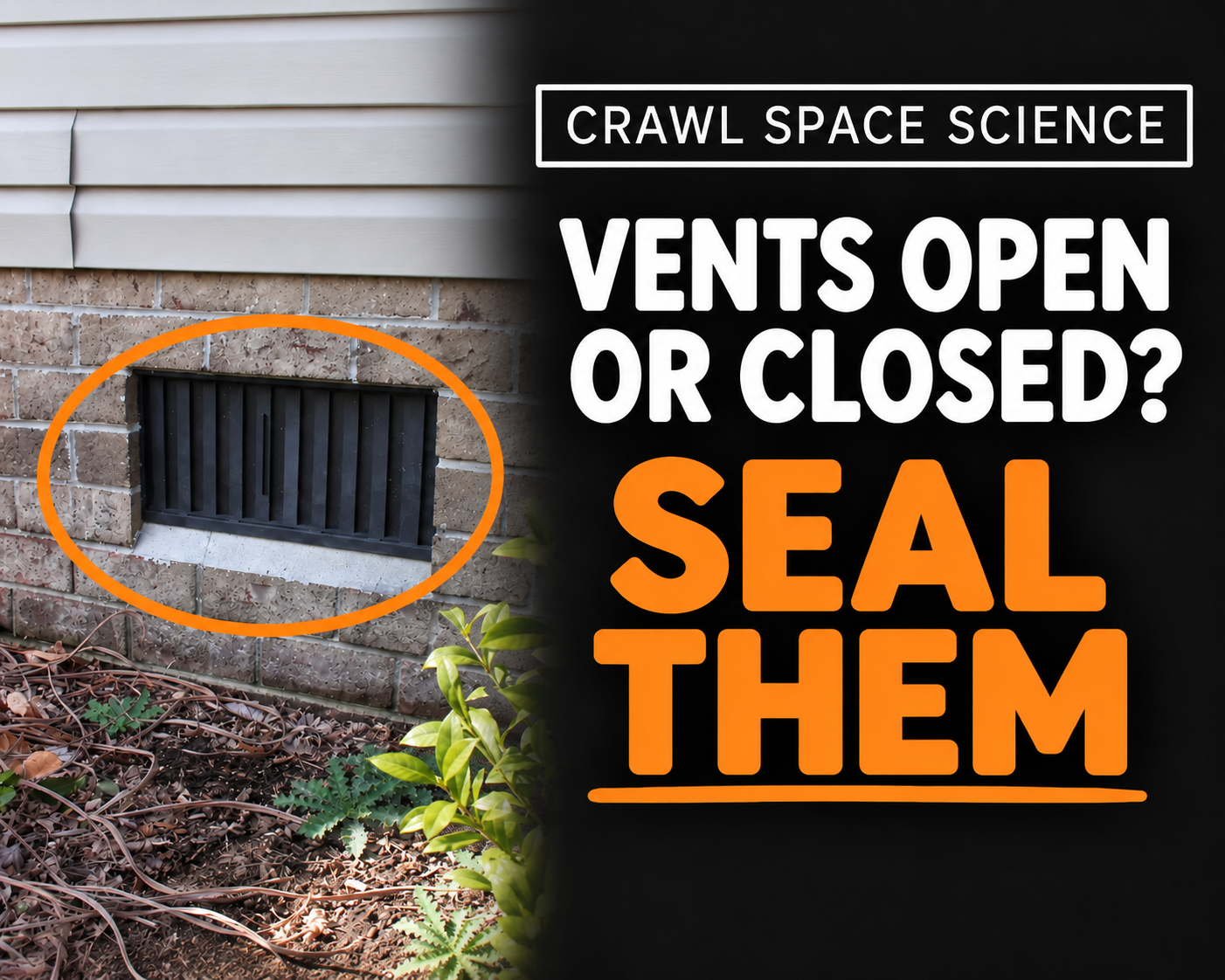
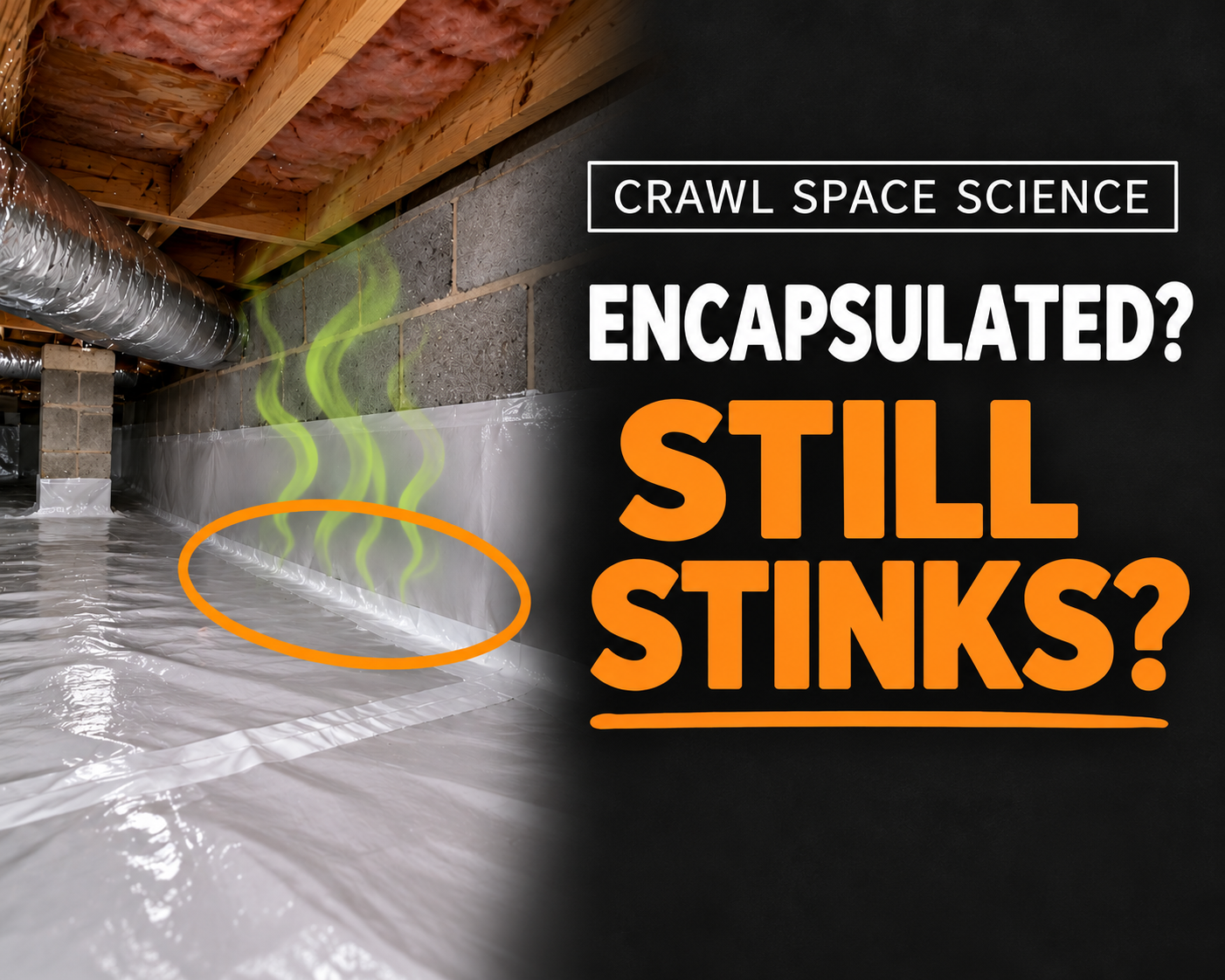
Step one: stop the moisture. Repairing moisture-damaged framing without controlling the crawl space environment first is a short-term fix. The conditions that caused the damage will keep working on the new repair. Moisture control typically means sealing the crawl space vents and installing a dehumidifier — either a hybrid approach or full encapsulation depending on the specific conditions beneath the home.
Step two: repair the framing. Sistering the affected floor joists — running new straight framing members alongside the bowed ones — is the correct structural repair for moisture-cupped joists. New straight wood under the floor system gives you a real correction, not a workaround.
Step three: address load bearing deficiencies if present. If the home has heavy load bearing walls that weren't adequately supported during original construction, adding steel jacks and a beam to carry that load is appropriate. But this is a targeted response to a specific condition — not a blanket prescription for every sagging floor.
The Bottom Line
Sagging and uneven floors in Hampton Roads homes are almost always a moisture and wood story. The path to a real correction runs through the crawl space — controlling the environment, repairing the framing, and then addressing any genuine structural support deficiencies that exist.
If you're dealing with uneven floors or want to know what's actually happening beneath your home, I'll come out personally and take a look.
Proudly serving homeowners throughout Hampton Roads including Newport News, Yorktown, Poquoson, Hampton, Norfolk, Virginia Beach, Chesapeake, Suffolk, Williamsburg, Gloucester, and surrounding areas.
About The Author
Robbie McCarty is the owner of Patriot Crawl Space Repairs and a Virginia Class A Residential Building Contractor (DPOR #2705176108) and MICRO Certified Mold Remediation contractor with over 25 years of crawl space repair experience throughout Hampton Roads and coastal Virginia. He has personally evaluated and repaired thousands of crawl spaces beneath homes in Suffolk, Chesapeake, Virginia Beach, Norfolk, Newport News, Williamsburg, and surrounding communities.
Latest Crawl Space Articles