Why Is Your Attic Attracting Rodents?
Attics provide mice and rats with warmth, shelter, nesting materials, and a protected place to live above the occupied areas of your home.
Rodents commonly enter through gaps along rooflines, soffits, fascia, vents, utility penetrations, and other exterior openings. Once inside, attic insulation provides an ideal place to hide and build nests.
Signs Of Rodents In Your Attic
Scratching or scurrying sounds in ceilings and walls are often the first signs homeowners notice. Droppings, nesting materials, odors, damaged insulation, and visible pathways through insulation can also indicate rodent activity.
Because much of an attic is rarely inspected, rodents may be present for a significant amount of time before they're discovered.
What Damage Do Rodents Do In Attics?
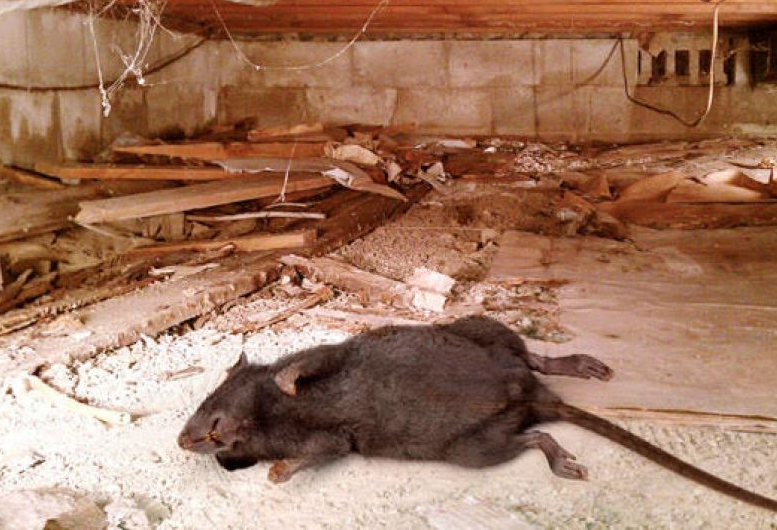
Rodents can contaminate attic insulation with droppings, urine, nesting materials, and dead animals, creating odors and introducing bacteria, parasites, and allergens.
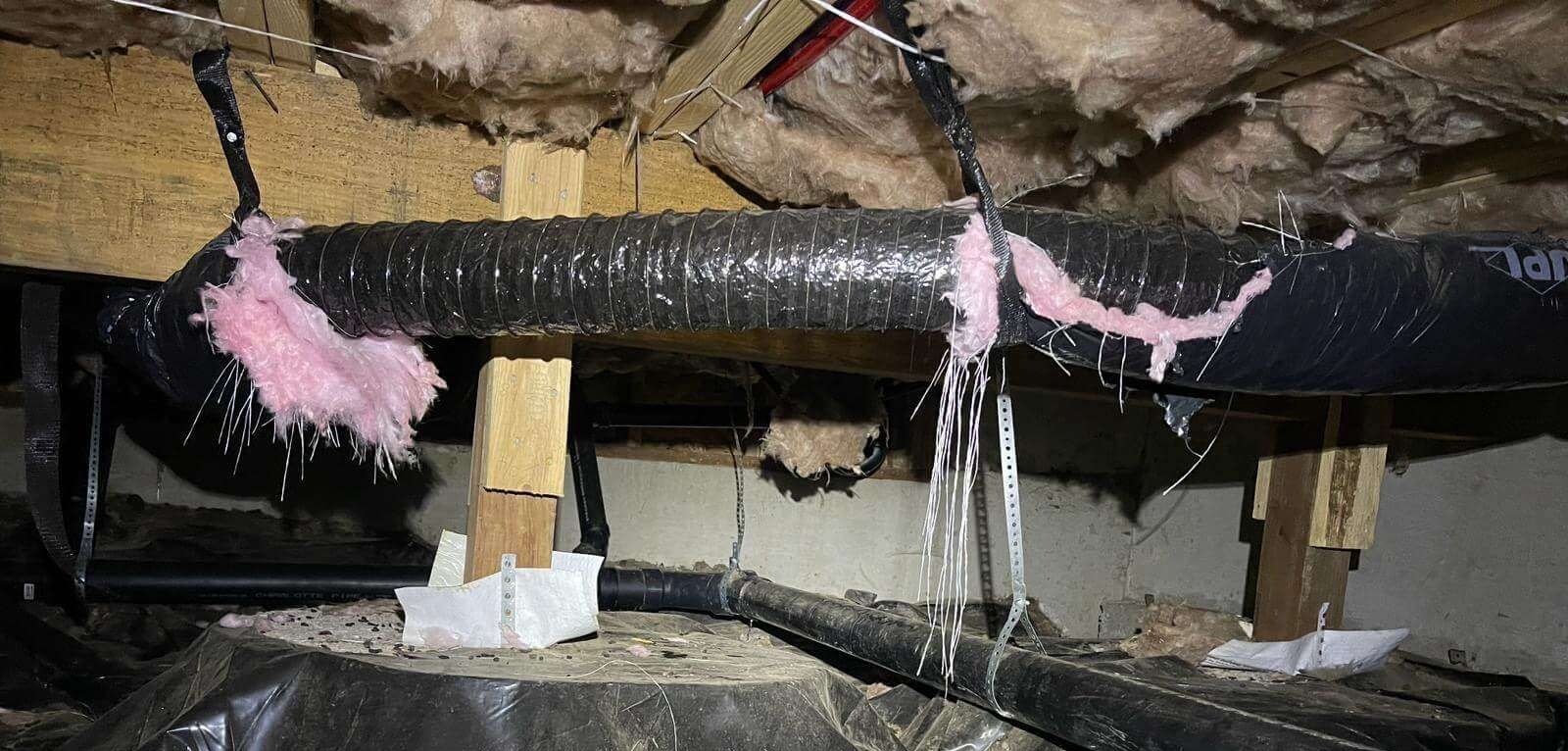
They may also damage insulation, ductwork, wiring, vents, and other building materials as they travel and nest throughout the attic.
Complete Attic Rodent Control & Restoration
Attic rodent problems often involve more than removing mice or rats, especially when insulation has been contaminated or damaged.
We can address rodent control, exclusion, contaminated insulation removal, cleanup and sanitization, and necessary repairs as part of one complete attic project.
Contaminated Insulation Replacement
Rodents can contaminate attic insulation with droppings, urine, nesting materials, and other debris that may make the insulation difficult to effectively clean in place.
When replacement is warranted, we remove the contaminated insulation, clean and prepare the affected attic areas, and install new insulation after the rodent activity and entry points have been addressed.
What Happens During A Rodent Inspection?
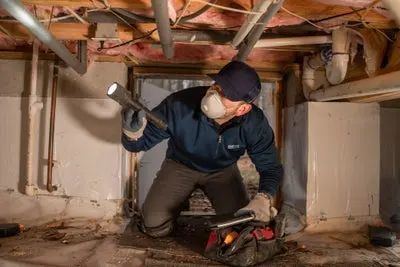
Every inspection is performed by owner Robbie McCarty, a Virginia Class A Contractor and licensed Pest Control Operator with more than 25 years of construction and crawl space experience.
We inspect for rodent activity, entry points, contaminated insulation, nesting areas, damage, and other conditions that need to be addressed.
Why Do Homeowners Choose Patriot Crawl Space Repairs?
Unlike companies that only remove rodents, we identify how they entered, where they're nesting, and the conditions allowing them to return.
Our goal is to eliminate the infestation, correct the underlying problem, and help keep your home rodent-free.
Frequently Asked Questions
How do I know if I have rodents in my attic?
Scratching or scurrying sounds, especially at night, are common signs of rodents in an attic. Other signs include droppings, nesting materials, odors, damaged insulation, and visible pathways through attic insulation.
Why do I hear scratching sounds in my attic at night?
Mice and rats are most active at night and may make scratching, chewing, or scurrying sounds as they move through the attic, walls, or ceiling areas. An inspection can help determine what type of animal is present and where the activity is occurring.
How are mice and rats getting into my attic?
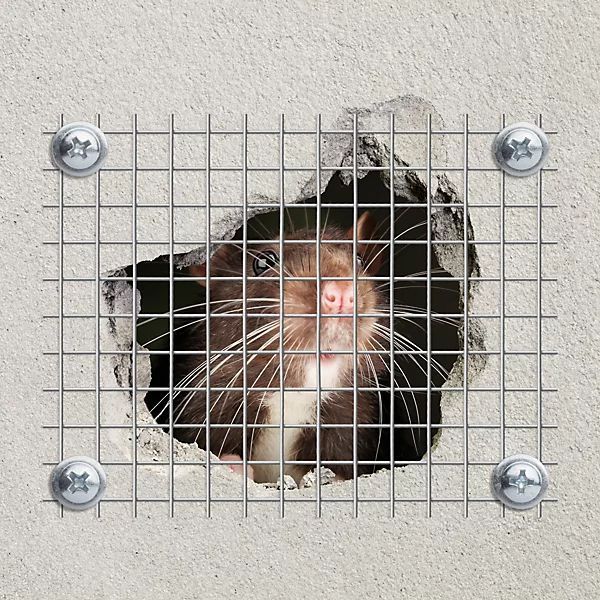
Rodents can enter through gaps around rooflines, soffits, fascia, vents, utility penetrations, and other exterior openings. Finding and properly sealing these entry points is an important part of preventing the infestation from returning.
Do I need to replace attic insulation after rodents?
Not always. The amount of insulation that needs to be removed depends on the extent of contamination and damage. Heavily contaminated insulation or areas containing significant nesting materials, urine, or droppings may need to be removed and replaced.
Can rodents damage wiring or HVAC ducts in an attic?
Yes. Mice and rats may chew wiring, flexible HVAC ducts, insulation, and other materials while nesting and traveling through an attic. Our inspection includes looking for visible rodent-related damage in accessible areas.
Will trapping rodents solve an attic infestation?
Trapping can remove rodents currently inside the attic, but it does not prevent new rodents from entering. A complete solution also requires identifying how rodents are getting inside and properly addressing those entry points.
What is rodent exclusion and why does it matter?
Rodent exclusion is the process of identifying and sealing openings that mice and rats use to enter a home. Without exclusion, rodents can return even after the existing infestation has been eliminated.
Do you clean up and repair rodent damage too?
Yes. Depending on what we find, our work can include rodent elimination, exclusion, nesting material removal, cleanup and sanitization, insulation removal or replacement, and repairs to damaged building materials.