Why Do Crawl Spaces Get Wet In Summer?
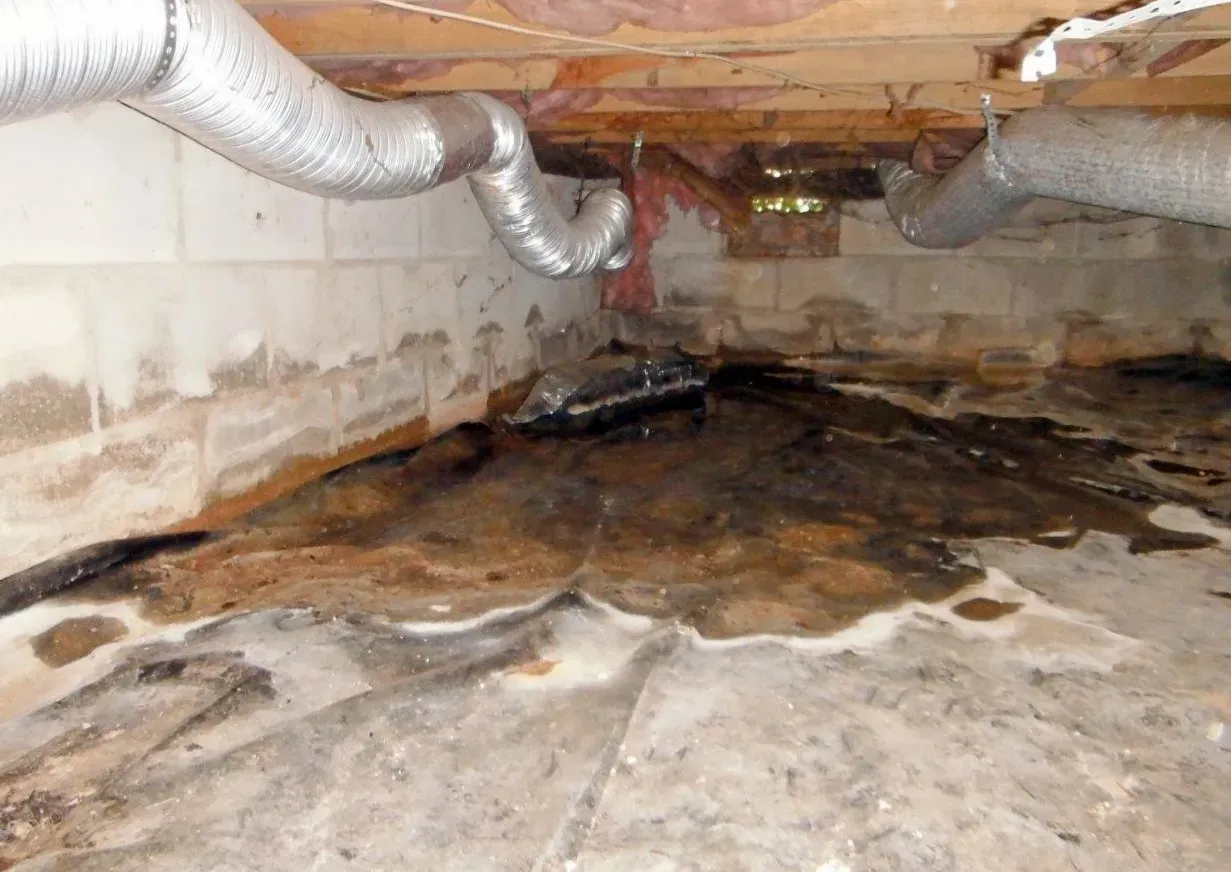
In coastal Virginia, the biggest summer moisture problem is usually hot, humid outdoor air entering through foundation vents, access doors, and other openings.
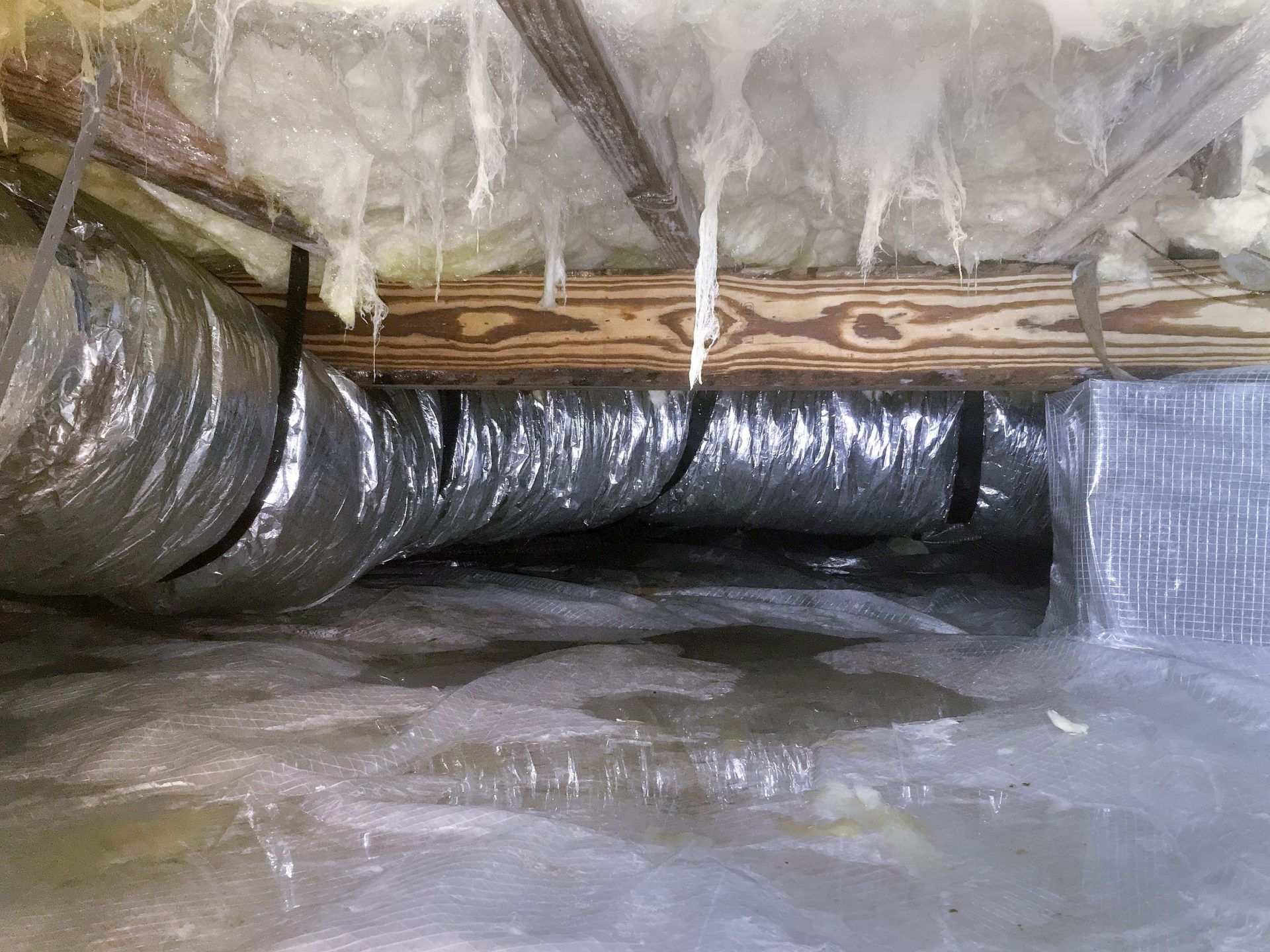
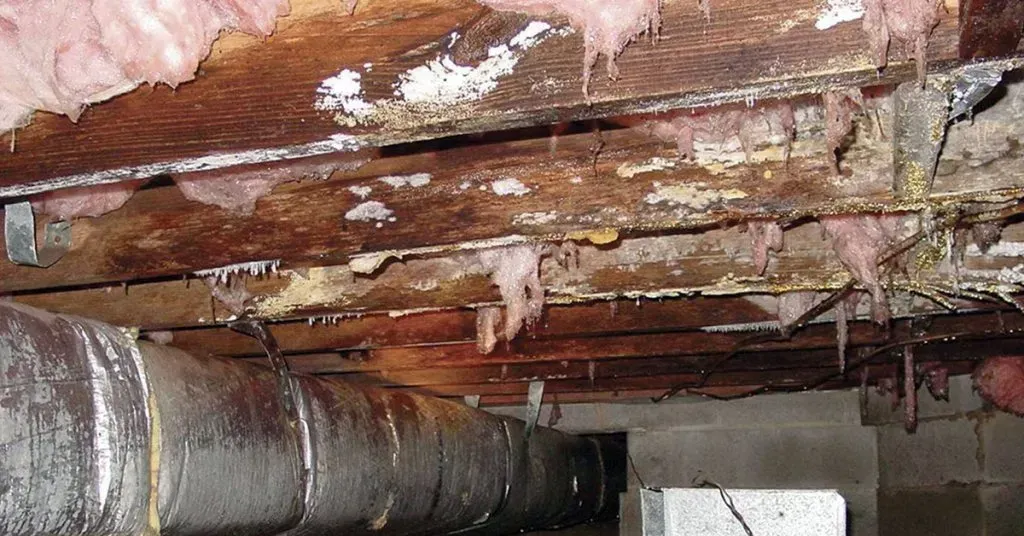
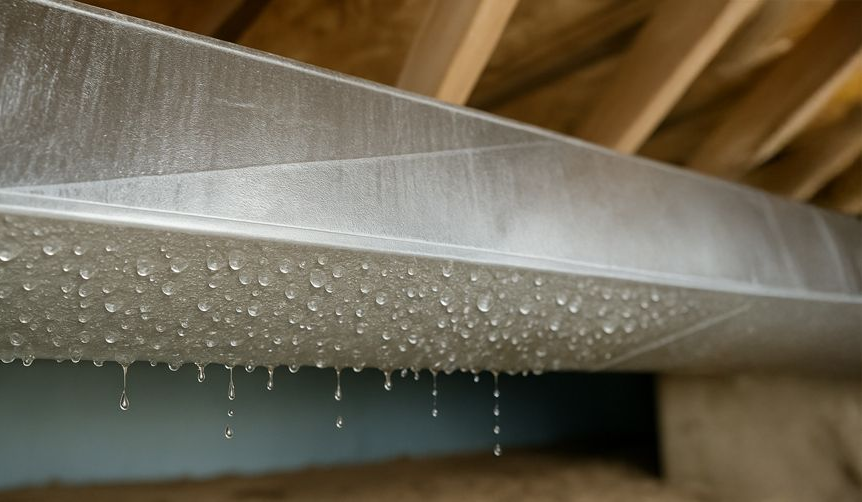
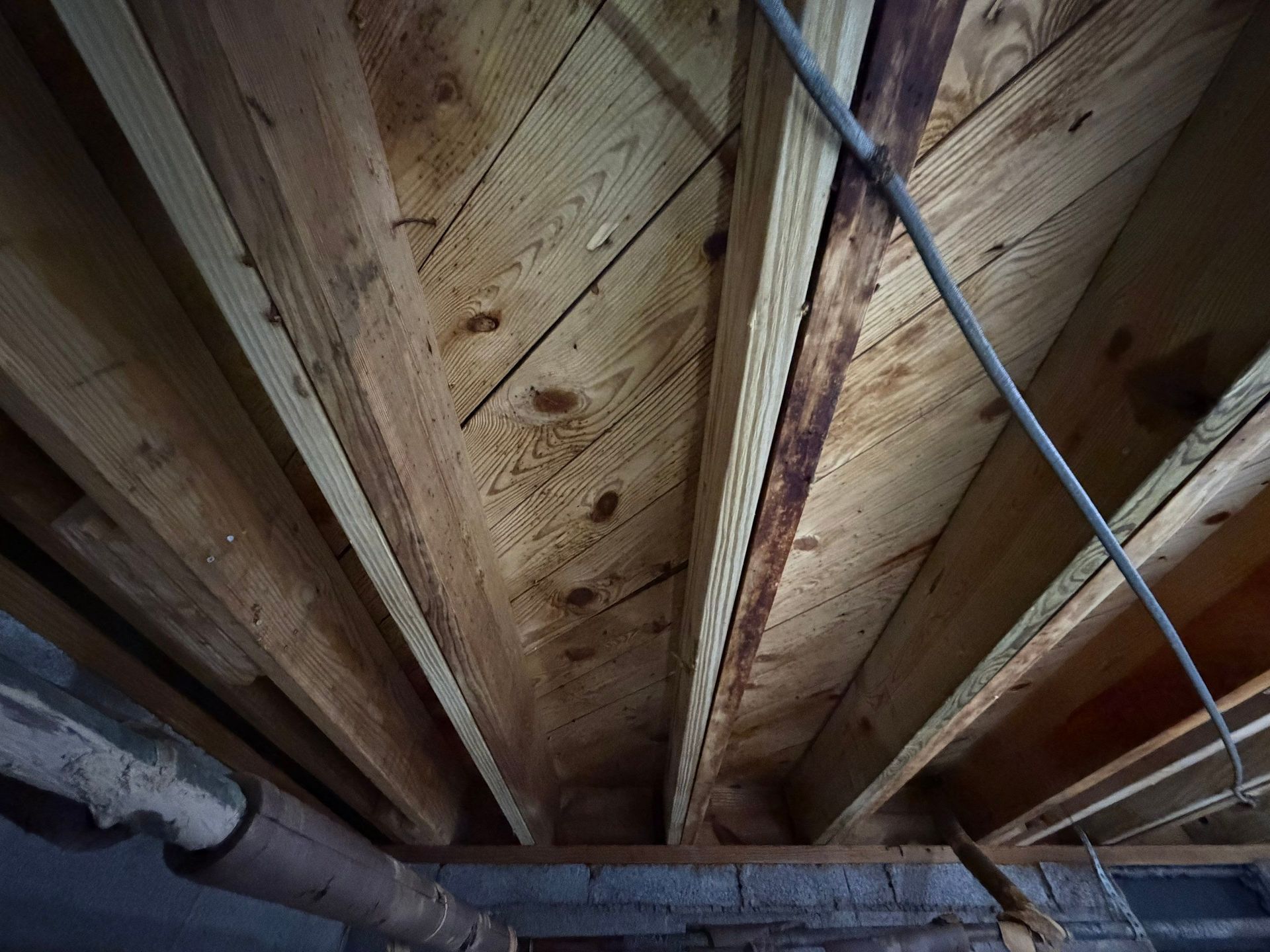
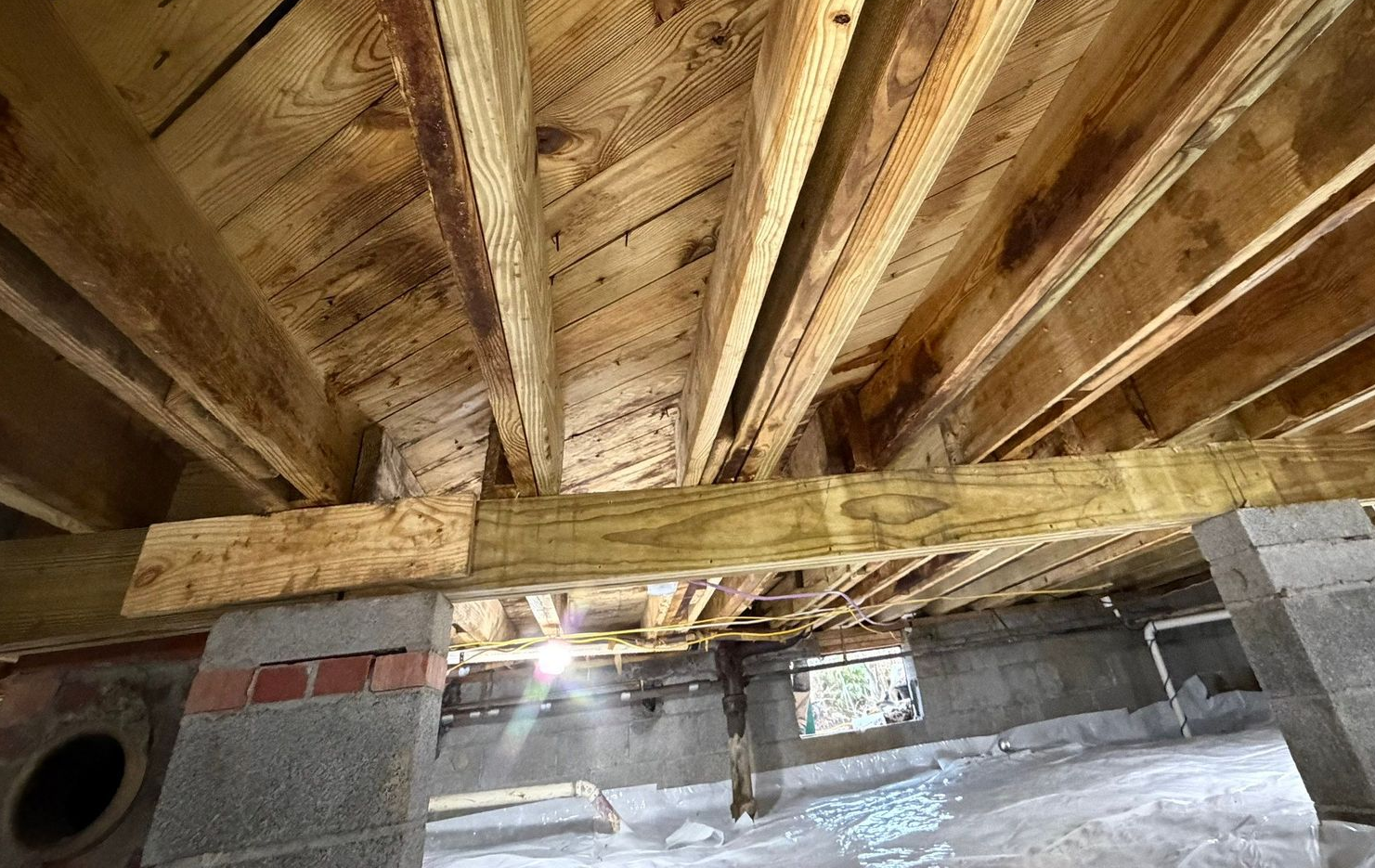
When that air reaches cooler framing and ductwork, condensation can form and lead to mold, fungus, and elevated wood moisture. Closing the crawl space reduces that outside-air load and makes the remaining moisture much easier to control.
What Is A Crawl Space Supply Air Inducer?
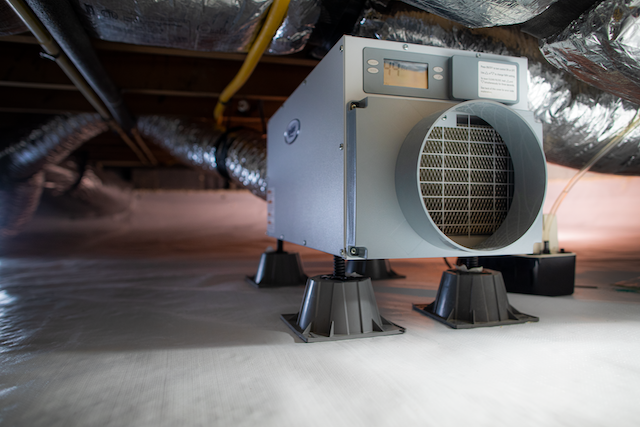
A supply air inducer is a purpose-built connection to the home’s HVAC supply ductwork that introduces a small, controlled amount of conditioned air into a closed crawl space.
The units we use are insulated and include a backdraft damper plus insect and rodent screening. We generally design around about 1 CFM per 30 square feet of crawl space.
How Does A Supply Air Inducer Keep The Crawl Space Dry?
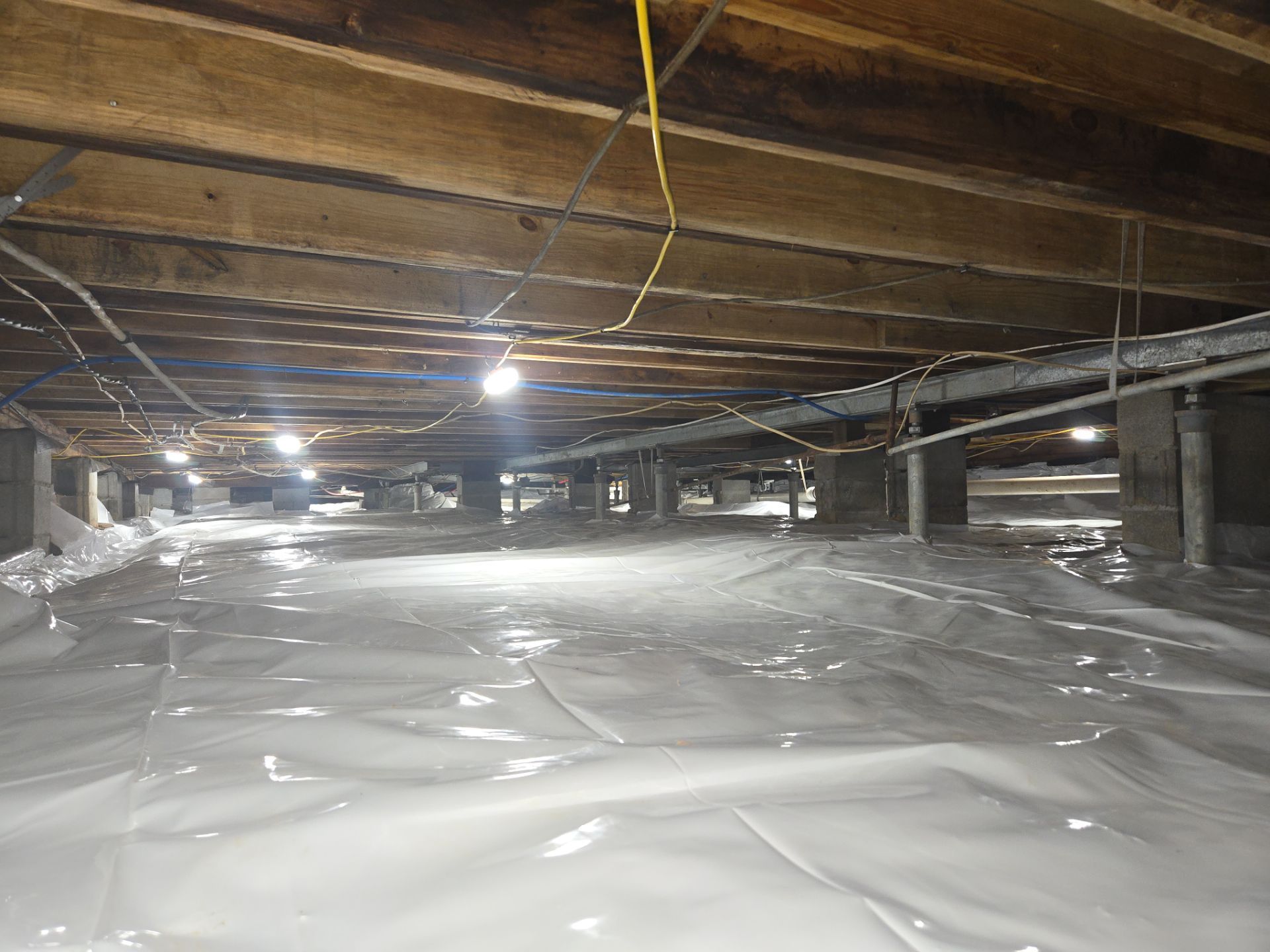
A supply air inducer works after the crawl space has already been closed and air-sealed. Once humid outdoor air is largely kept out and ground vapor is controlled, the conditioned air helps lower humidity, manage dew point, and keep crawl-space surfaces from reaching condensation conditions.
The goal is not a perfect humidity number—it is keeping the framing dry and wood moisture below damaging levels.
Does The Vapor Barrier Need To Be Sealed To The Wall?
No. A supply air inducer can work with a well-installed ground-pinned vapor barrier. Advanced Energy and U.S. Department of Energy field research showed that closing and air-sealing the crawl space was the major moisture-control variable, and conditioned supply air maintained low wood moisture.
Fully sealed liners can still make sense for drainage, radon, or certain site conditions, but they are not required for supply air to work.
Supply Air Inducer Or Dehumidifier?
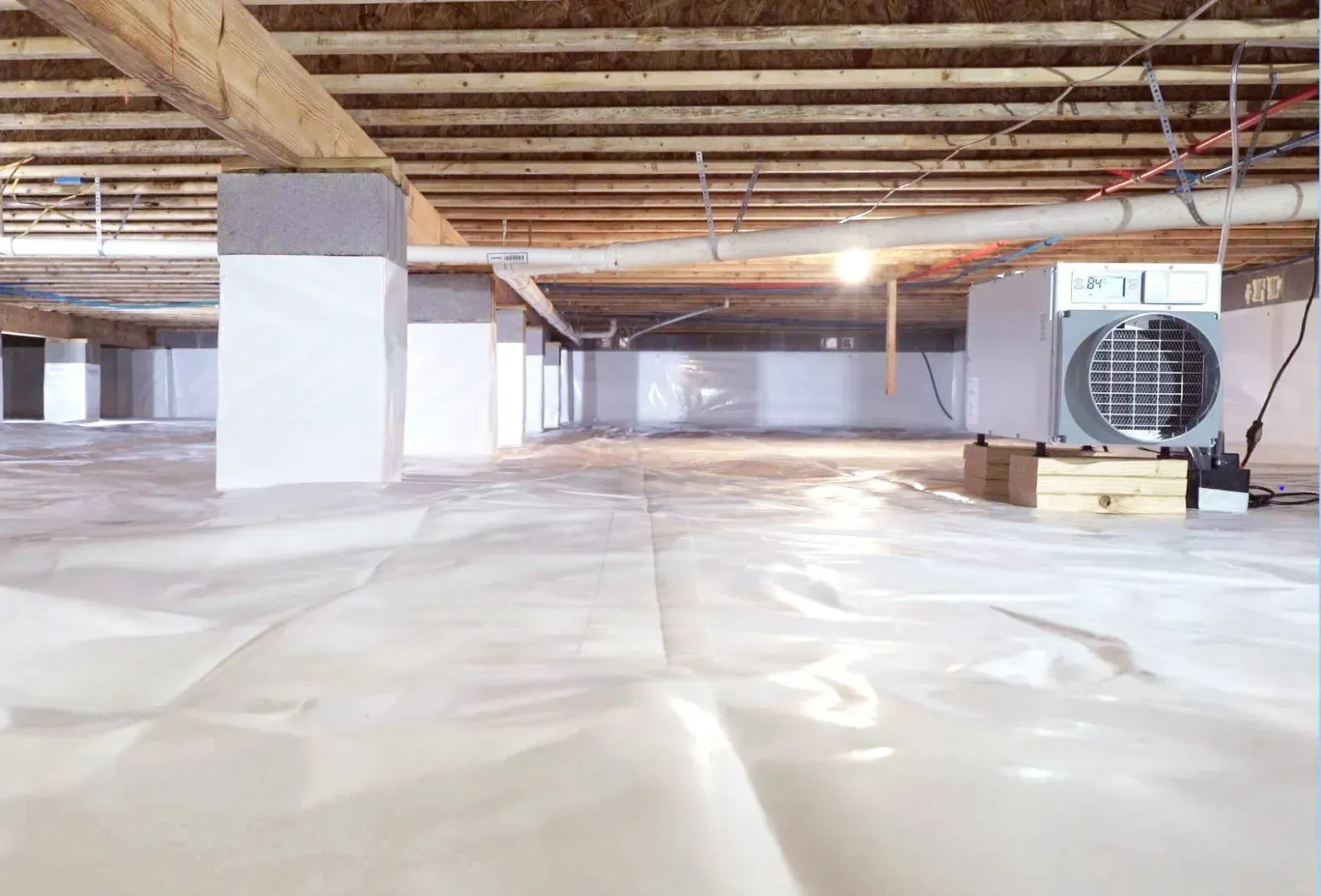
A dehumidifier provides more aggressive and precise humidity control, while a supply air inducer is simpler, lower-maintenance, highly reliable, and usually much less expensive. In many properly sealed crawl spaces, supply air is enough by itself.
If the space has a severe moisture history or unusually high moisture load, we may recommend a dehumidifier instead, and one can always be added later if monitoring shows it is needed.
What Happens During A Crawl Space Inspection?
We evaluate the moisture history, wood moisture, air leakage, vapor barrier, duct layout, drainage, foundation conditions, and overall crawl-space environment to determine whether supply air is a good fit.
You will receive a clear explanation of whether the space is better suited for conditioned supply air, a dedicated dehumidifier, or a combination of both.
Why Do Homeowners Choose Patriot Crawl Space Repairs?
Patriot is a locally owned Virginia Class A contractor specializing in crawl-space moisture, mold, ductwork, rodents, and structural repair.
We have seen properly designed supply-air systems dry out some of the wettest crawl spaces near the Great Dismal Swamp and Back Bay, and we recommend systems based on actual site conditions, wood moisture, and long-term performance rather than one predetermined package.
Frequently Asked Questions
What is a crawl space supply air inducer?
A supply air inducer is a controlled connection to the home's HVAC supply ductwork that introduces a small amount of conditioned air into a closed crawl space to help control temperature, dew point, condensation, and wood moisture.
How much supply air does a crawl space need?
We generally design around approximately 1 CFM for every 30 square feet of crawl space. Actual airflow may vary based on the crawl space, duct layout, moisture history, and other site conditions.
Does a supply air inducer replace a dehumidifier?
It can serve as the primary active moisture-control method in an appropriate closed crawl space. A dedicated dehumidifier provides more aggressive humidity control and may be preferred where the crawl space has an unusually high moisture load.
Does the vapor barrier need to be sealed to the foundation walls?
No. A supply air system can work with a well-installed ground-pinned vapor barrier. Fully sealed wall liners may provide other benefits in certain crawl spaces, but they are not inherently required for conditioned supply air to control moisture.
Will supply air keep crawl space wood dry?
That is the goal of the system. We evaluate performance by looking at actual wood moisture, condensation, dew point, and crawl-space conditions rather than relying only on a relative-humidity reading. We generally want wood moisture below approximately 16%.
Is a supply air inducer cheaper than a crawl space dehumidifier?
Yes. A supply air inducer system is generally considerably less expensive than installing a dedicated crawl-space dehumidifier system, which can make it a practical option when the crawl space and site conditions are appropriate.
Can a dehumidifier be installed later?
Yes. If future monitoring shows that the crawl space needs additional moisture control, a dedicated dehumidifier can be added later without abandoning the supply air system.
Can supply air and a dehumidifier be used together?
Yes. Using both can provide the reliability and temperature-control benefits of conditioned supply air along with the more aggressive humidity control of a dedicated dehumidifier.
Does a supply air inducer steal air from the house?
The system uses a relatively small amount of conditioned air compared with the total HVAC airflow. It also improves the environment surrounding crawl-space ductwork by reducing the temperature and humidity difference between the ducts and the crawl space.
What happens when the HVAC system is not running?
During mild weather, crawl-space surfaces are generally warmer and condensation risk is usually lower. When hot, humid weather raises exterior dew points and air-conditioning runtime increases, the supply air inducer also operates more frequently.
Does a supply air inducer require maintenance?
There is very little equipment to maintain compared with a dedicated dehumidifier. The crawl space itself should still be periodically inspected and wood moisture checked to confirm that the system continues to perform properly.
Does floor insulation need to be removed?
We generally prefer removing old floor insulation when the crawl space is being treated as part of the first-floor environmental zone, particularly when the insulation is wet, moldy, fallen, rodent-damaged, or preventing the crawl space and floor system from interacting properly.
Can a supply air inducer help stop crawl space mold?
Supply air does not clean existing mold, but a properly designed system can help correct the moisture conditions that allow mold and fungal growth to develop. Existing contamination may still need to be cleaned as part of the crawl-space repair.
Is conditioned supply air a proven crawl space moisture-control method?
Yes. Conditioned supply air has been studied and used in closed crawl spaces for years, and we have seen it perform successfully in very wet coastal crawl-space conditions. The key is proper air sealing, ground vapor control, adequate airflow, and verifying actual wood moisture after installation.
How do I know whether supply air or a dehumidifier is right for my crawl space?
That decision should be based on the crawl space's moisture history, air leakage, ground conditions, duct layout, wood moisture, drainage, and overall site conditions. We evaluate those variables during the crawl-space inspection and recommend the system that makes sense for the home.