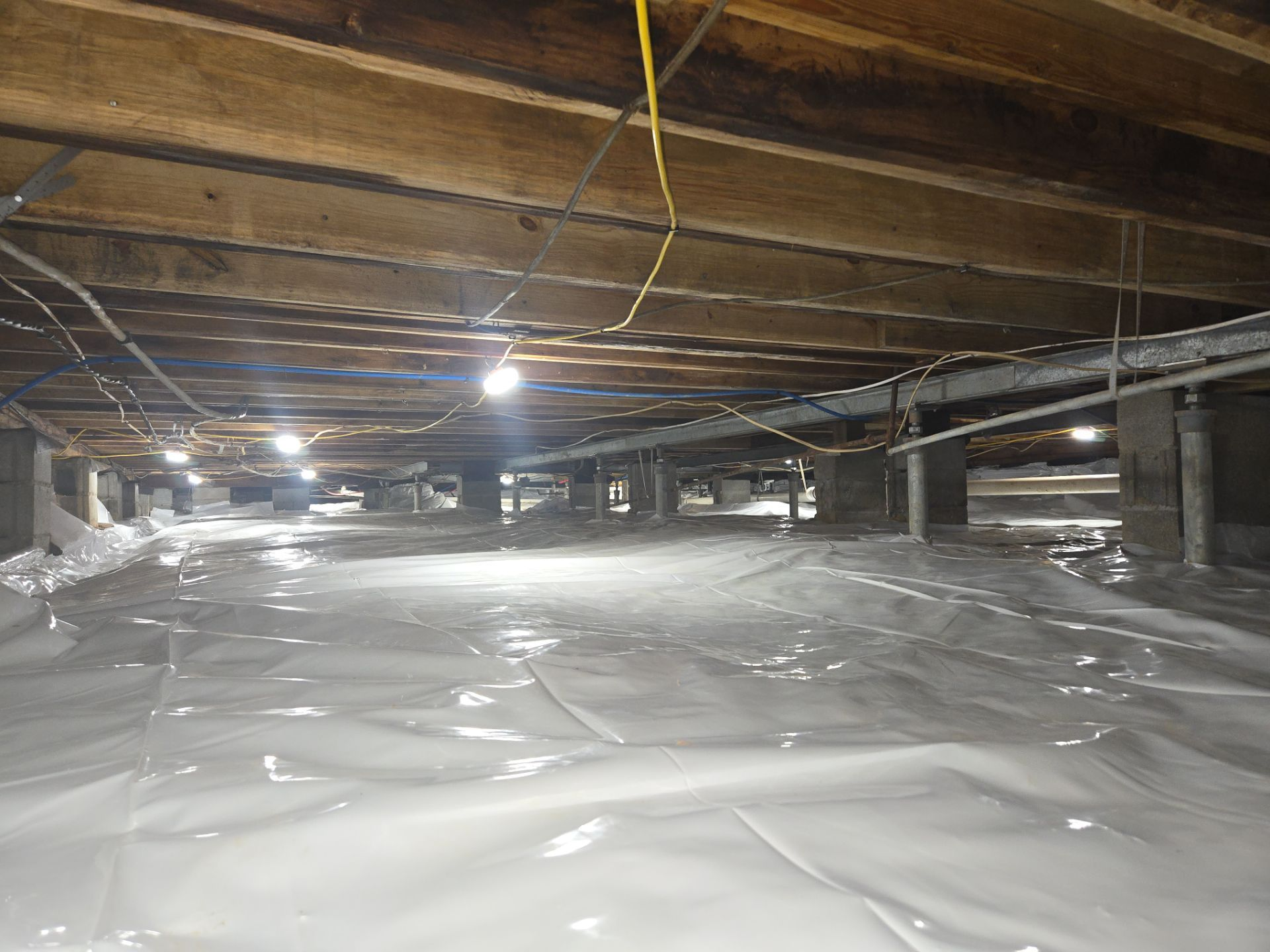
Signs You Need A Crawl Space Ductwork Inspection
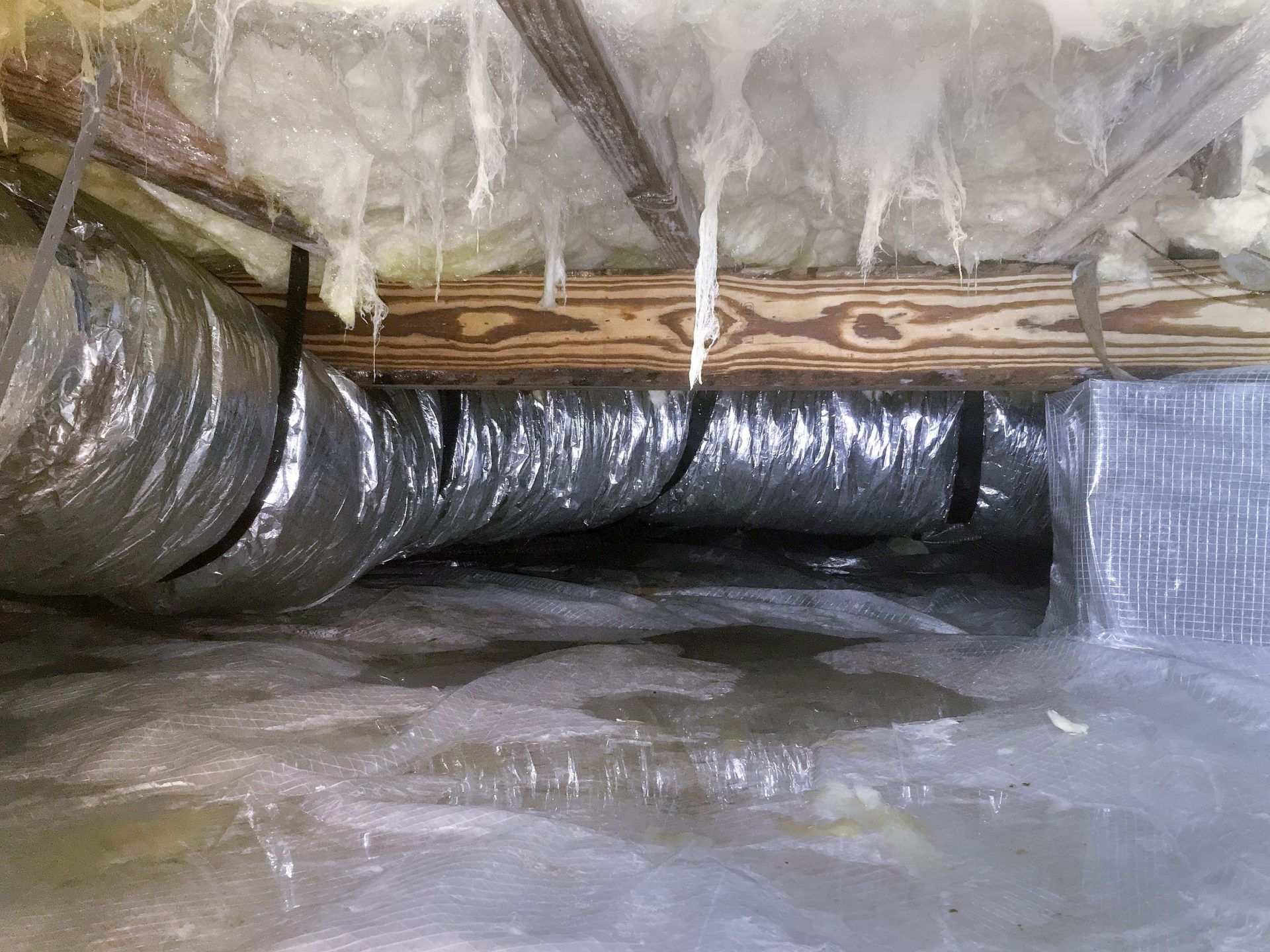
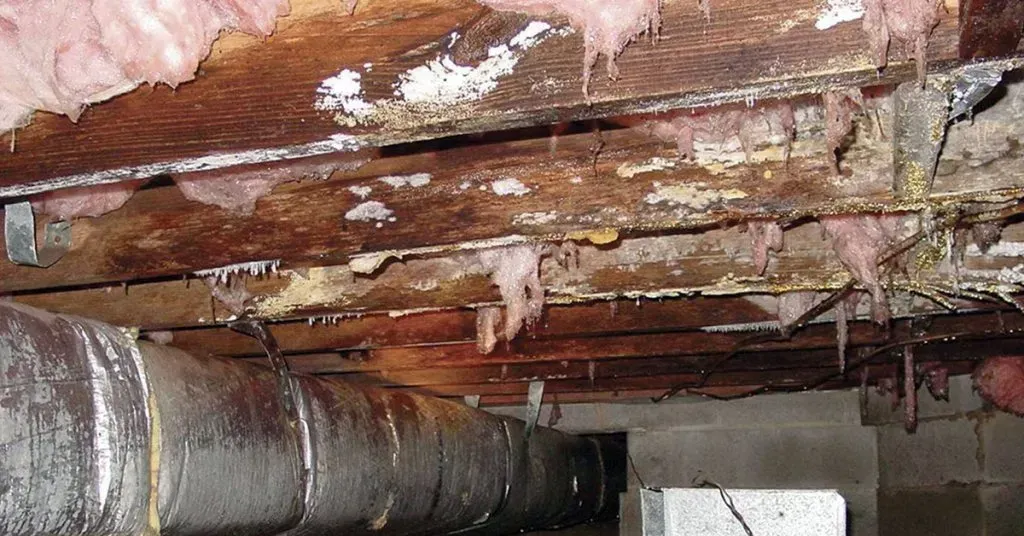
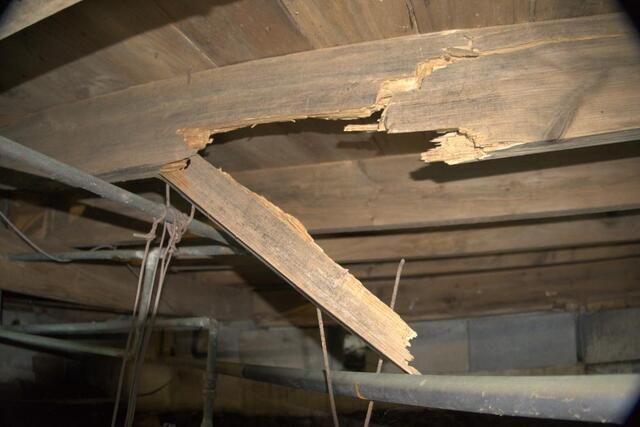
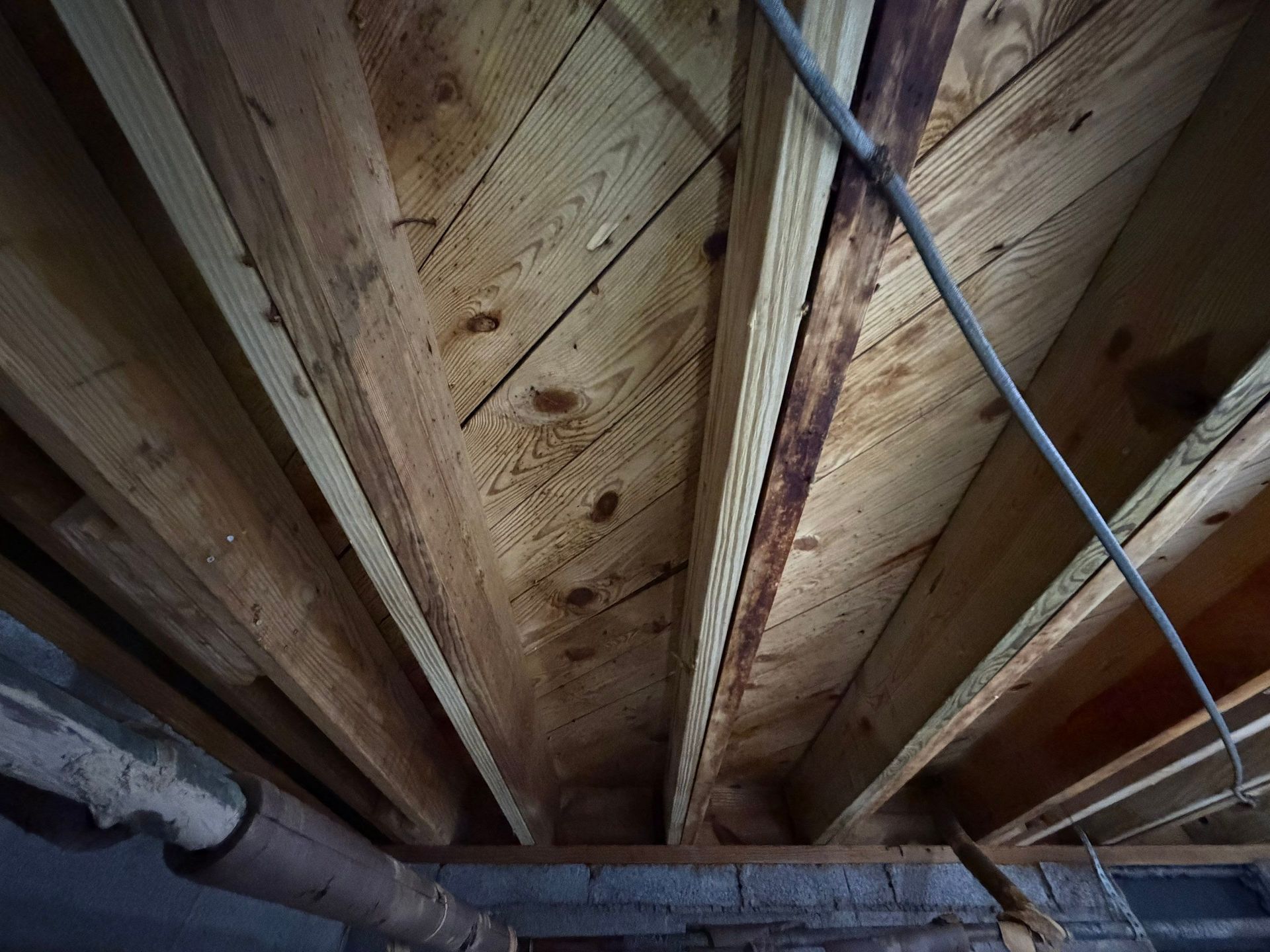
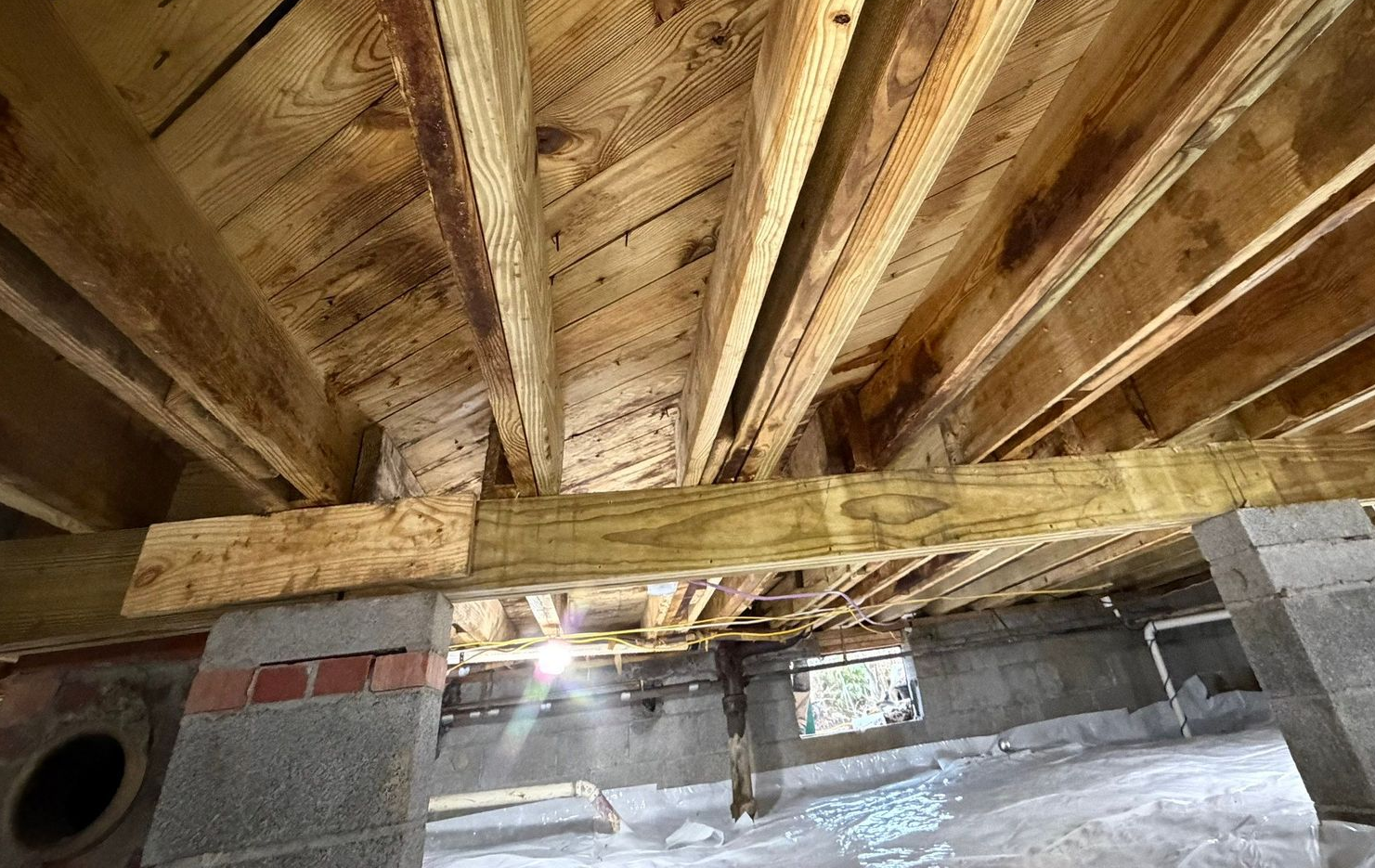
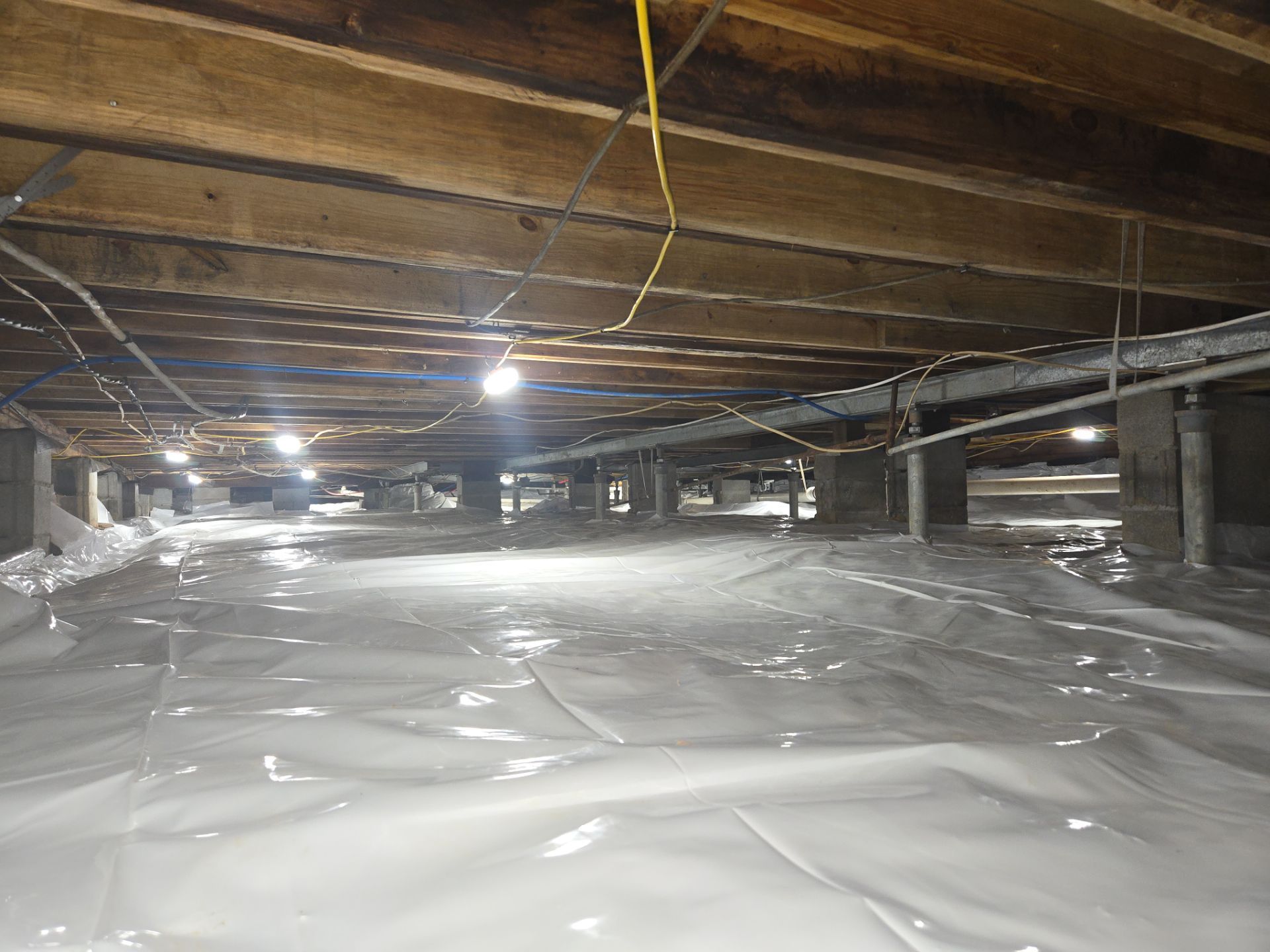
Torn ductwork, hanging insulation, visible condensation, musty odors, mold, rodent activity, damaged flex duct, or disconnected sections can all indicate problems beneath the home.
We inspect accessible crawl space ductwork to determine what is damaged, how extensive the problem appears to be, and what may need to be repaired.
Inspecting Flex Duct & Connections
Flex duct can become torn, crushed, disconnected, poorly supported, or damaged by rodents, mold, and other crawl space conditions.
We inspect accessible duct runs, connections, boots, and fittings for visible damage, separation, deterioration, and previous repairs that may no longer be performing properly.
Evaluating Duct Insulation
Duct insulation can deteriorate from age, moisture, mold, rodents, physical damage, or prolonged exposure to crawl space conditions.
We inspect accessible duct insulation for missing sections, tears, compression, deterioration, exposed duct surfaces, and other conditions that may require repair or replacement.
Looking For Moisture And Mold Damage
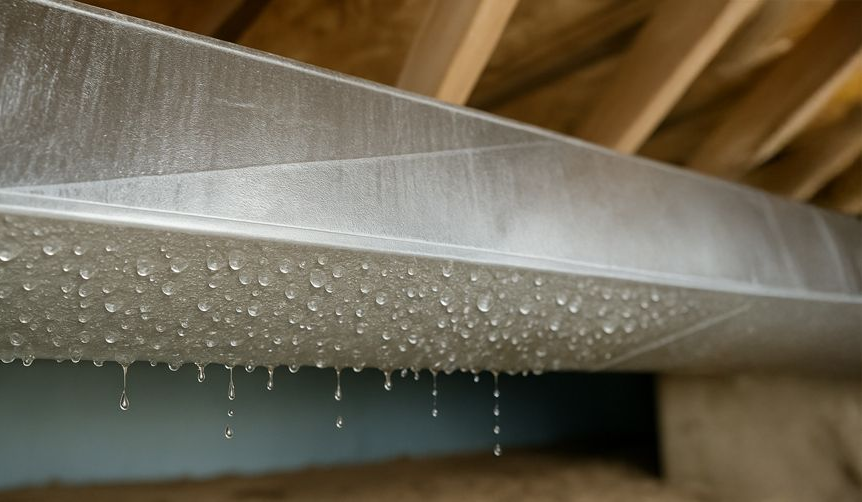
Crawl space humidity and condensation can damage duct insulation, metal trunk lines, connections, and surrounding materials.
We look for visible condensation, staining, corrosion, mold, wet insulation, deterioration, and other signs that moisture may be affecting the ductwork.
Looking For Rodent Damage & Contamination
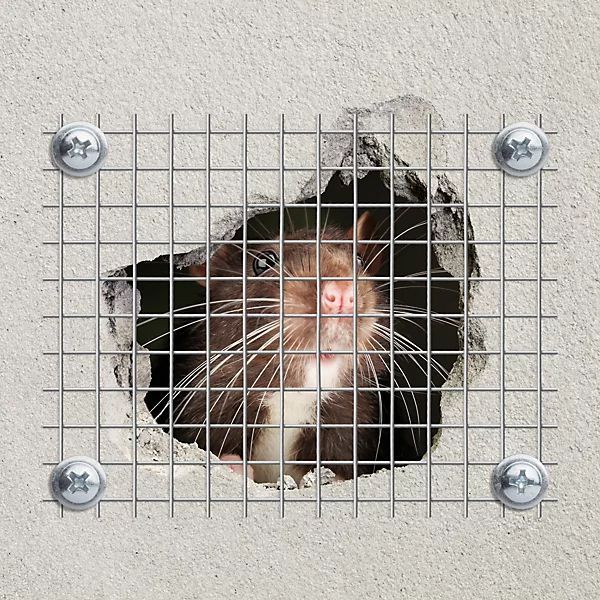
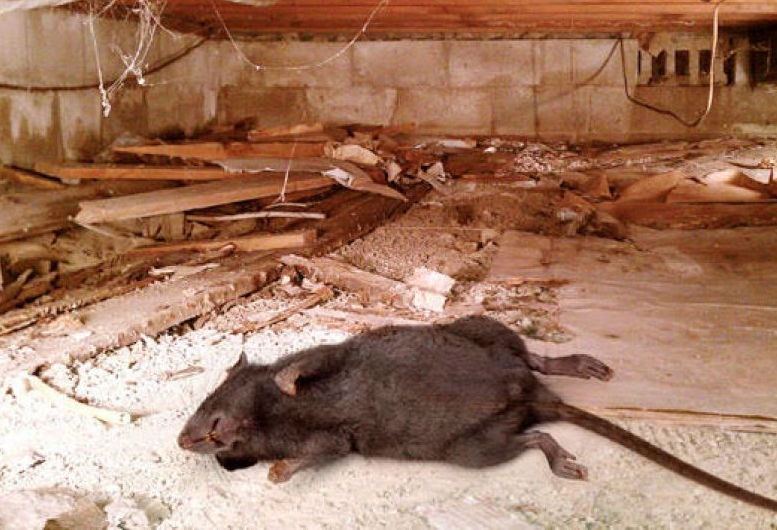
Mice and rats can tear insulation, chew flex duct, create openings, build nests around ductwork, and contaminate surrounding materials.
We inspect accessible ductwork for visible rodent damage and determine whether damaged sections can be repaired or should be replaced.
What Happens After A Ductwork Inspection?
Once we determine the condition of the accessible ductwork, we explain what we found and recommend the appropriate scope of work.
Depending on the damage, that may include repairing connections, replacing damaged flex duct, sealing accessible openings, reinsulating trunk lines, correcting rodent damage, or replacing deteriorated sections.
Why Do Homeowners Choose Patriot Crawl Space Repairs?
Crawl space ductwork problems are often connected to moisture, rodents, damaged insulation, and other conditions beneath the home.
Because Patriot works throughout the crawl space rather than focusing only on the HVAC equipment, we can evaluate the condition of the ductwork along with the environment surrounding it and determine what actually needs to be repaired.
Frequently Asked Questions
What does a crawl space ductwork inspection include?
We visually inspect accessible flex duct, trunk lines, connections, fittings, insulation, supports, and other visible duct components for physical damage, deterioration, moisture problems, rodent damage, and disconnected sections.
What are the most common ductwork problems you find?
Common problems include torn or disconnected flex duct, deteriorated insulation, poorly supported duct runs, damaged connections, condensation, corrosion, rodent damage, and older sections that are no longer practical to repair.
Do you inspect ductwork for condensation and moisture damage?
Yes. We look for visible condensation, wet or deteriorated insulation, corrosion, mold, staining, and other signs that crawl space moisture is affecting the ductwork.
Do you inspect ductwork for rodent damage?
Yes. We look for visible chewing, holes, torn insulation, nesting activity, contamination, and other damage caused by mice or rats.
Is this the same as an HVAC system inspection?
No. Our inspection focuses on the accessible physical ductwork in the crawl space and the conditions surrounding it. We do not perform HVAC equipment diagnostics, system balancing, or mechanical performance testing. Home airflow issues are typically much simpler than system design; they typically are the result of deterirated, fallen, and torn ductowrk.
Can Patriot repair or replace damaged crawl space ductwork?
Yes. Depending on the condition of the ductwork, we can repair damaged sections, replace flex duct, seal accessible connections, reinsulate trunk lines, and replace sections that are too deteriorated for practical repair.