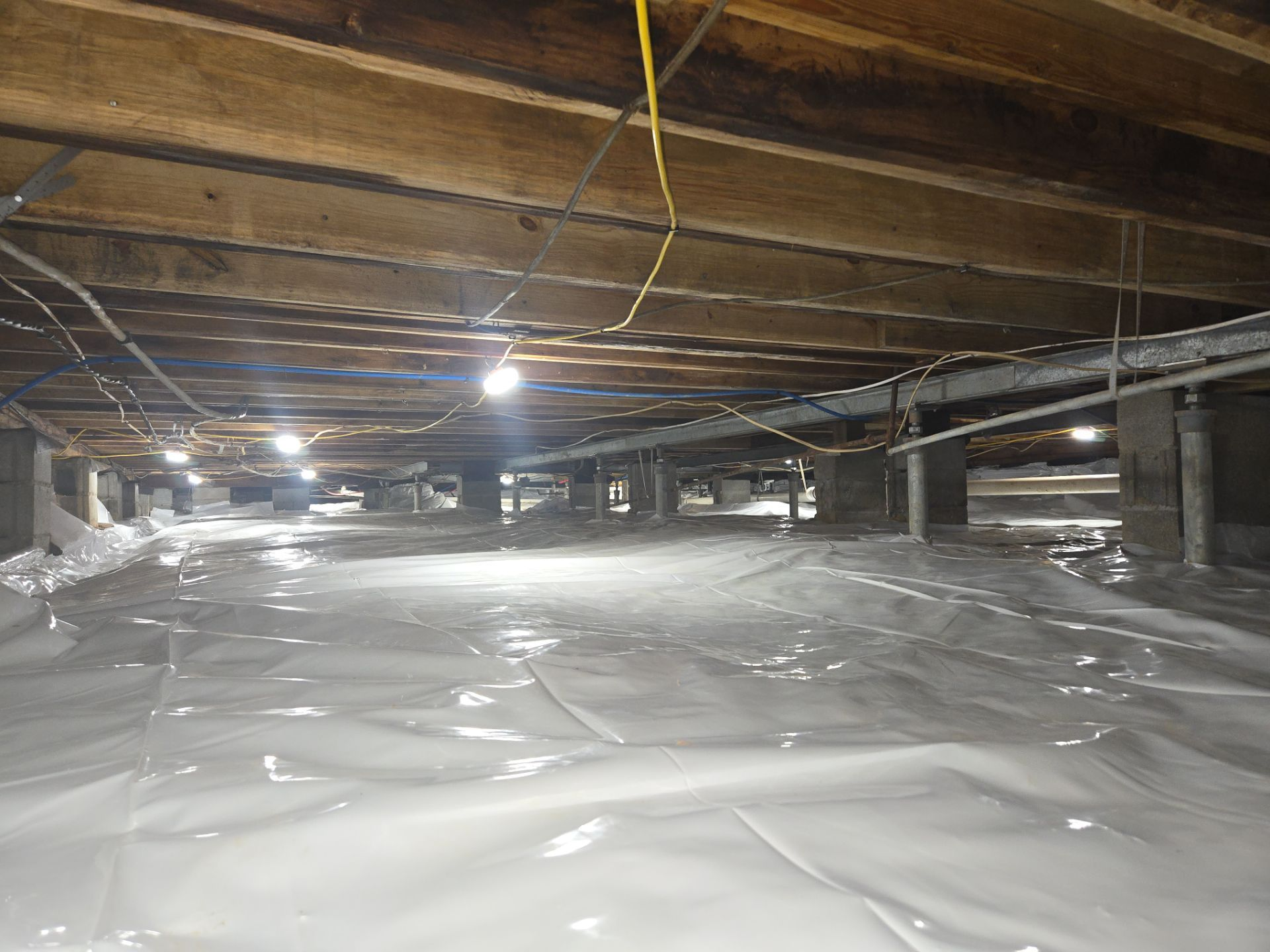
Signs You Need A Structural Inspection
Sagging or uneven floors, soft or bouncy areas, cracked drywall, sticking doors, visible wood rot, failed supports, and movement in the floor system can all indicate structural problems beneath a home.
We inspect accessible structural components to determine what appears to be causing the problem and how extensive it may be.
Evaluating Joists, Beams, & Girders
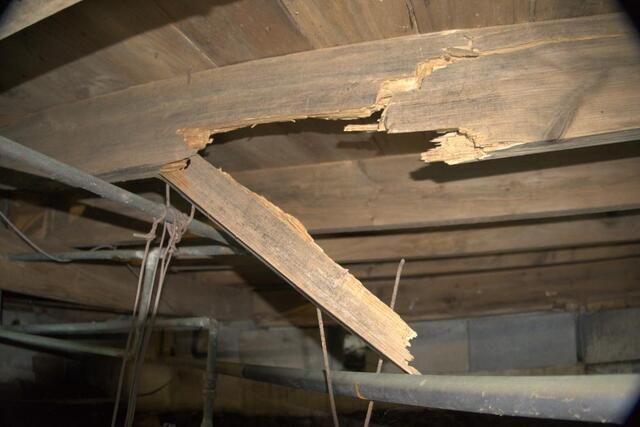
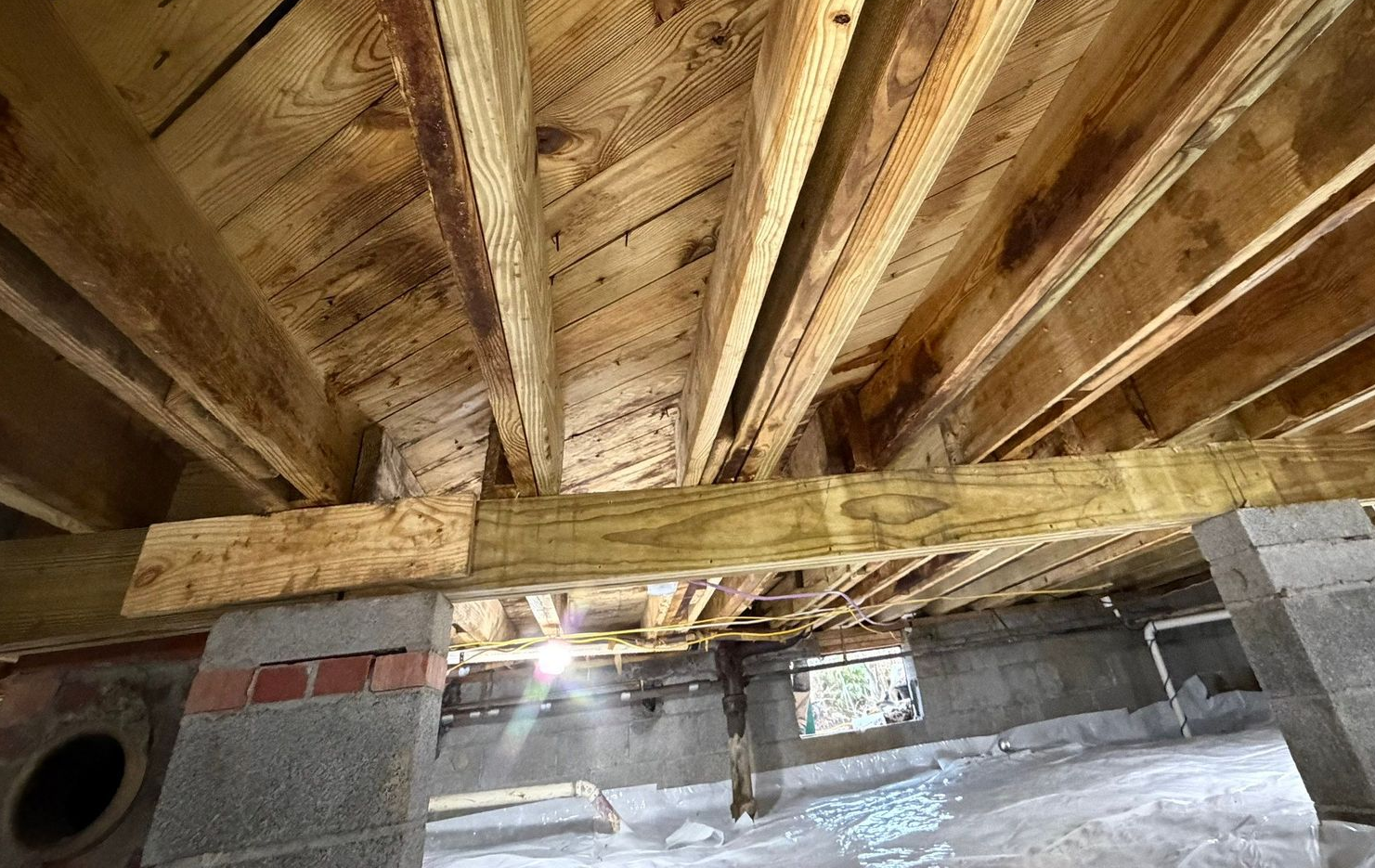
Floor joists, beams, and girders carry the weight of the home and can be damaged by moisture, rot, improper modifications, excessive spans, or previous repairs.
We inspect accessible framing for visible deterioration, cracking, deflection, improper sistering, notching, cuts, and other conditions that may affect structural performance.
Evaluating Posts, Piers, And Support
Brick piers, block piers, wood posts, steel supports, and other support systems can settle, deteriorate, shift, or be installed improperly.
We evaluate accessible supports for visible movement, inadequate bearing, deterioration, improper placement, and other conditions that may contribute to sagging or uneven floors.
Looking For Moisture And Wood Rot
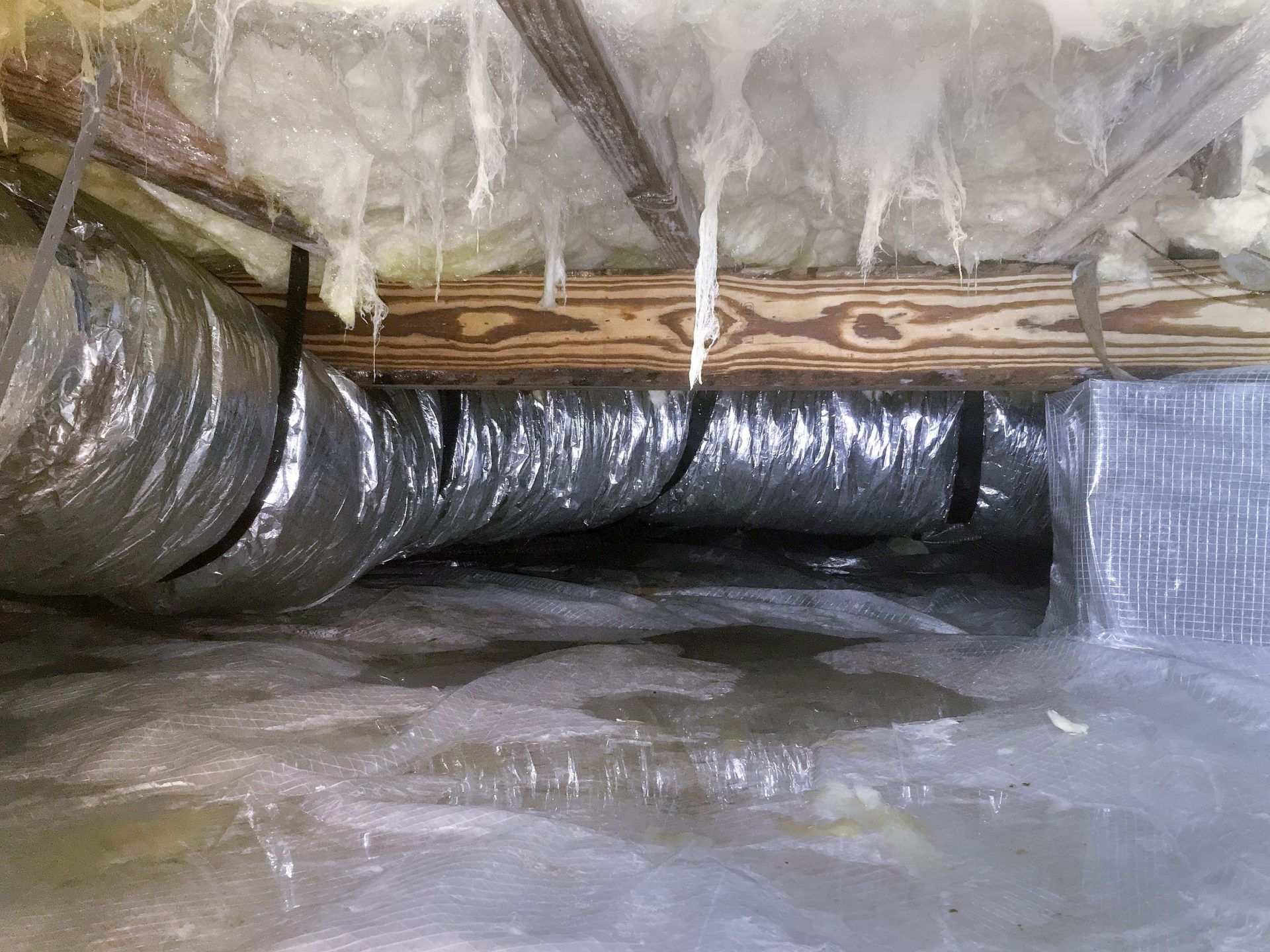
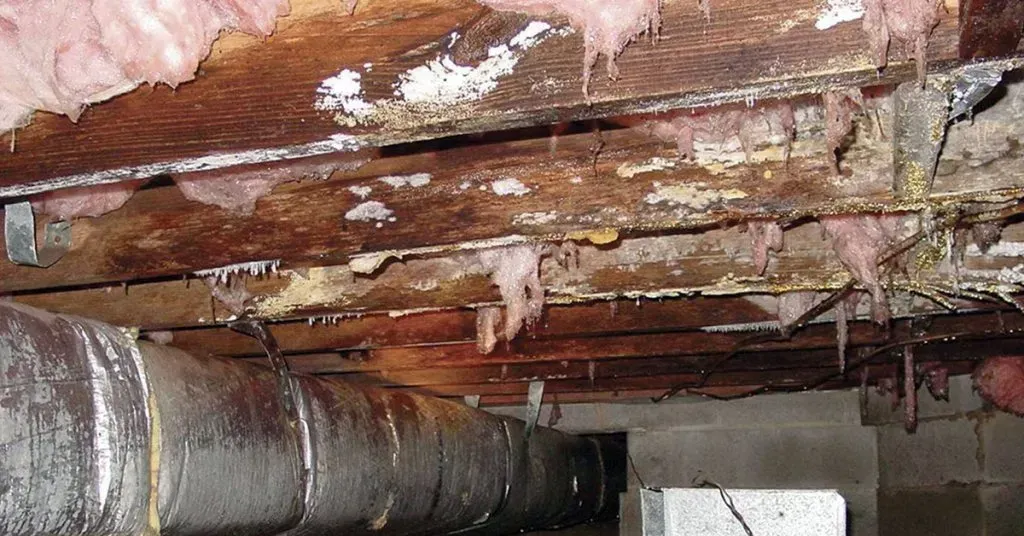
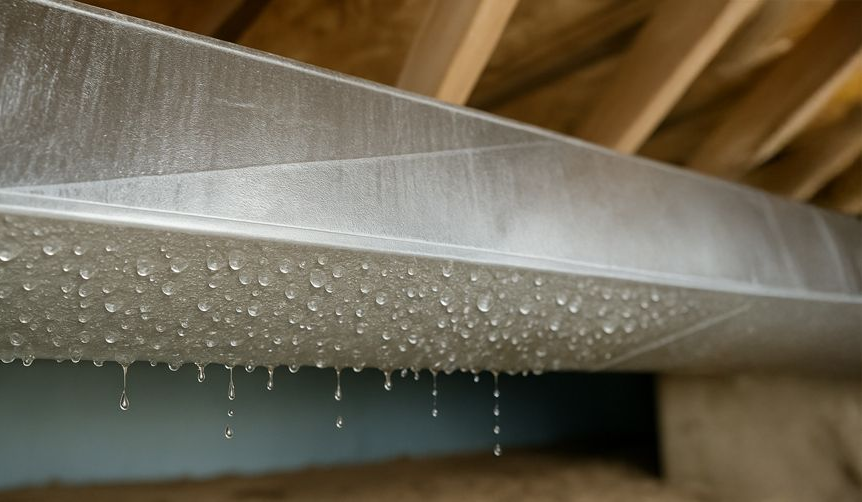
Structural damage beneath a home is often connected to long-term moisture exposure.
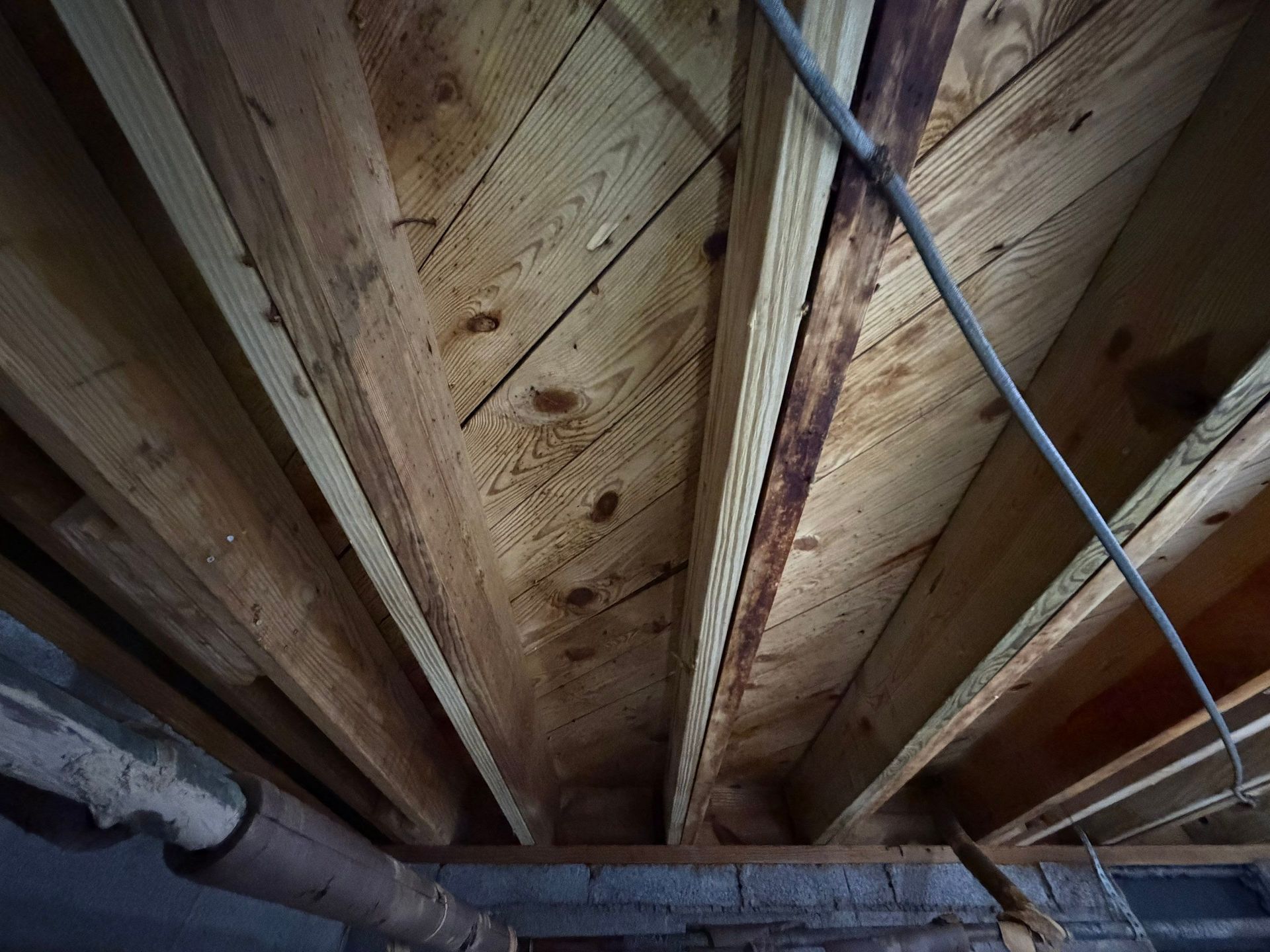
We inspect accessible framing for visible rot, fungal deterioration, staining, moisture damage, and other conditions that may weaken joists, beams, sill plates, or other structural wood.
Looking At The Floor System As A Whole
Structural problems are not always isolated to one joist or one support.
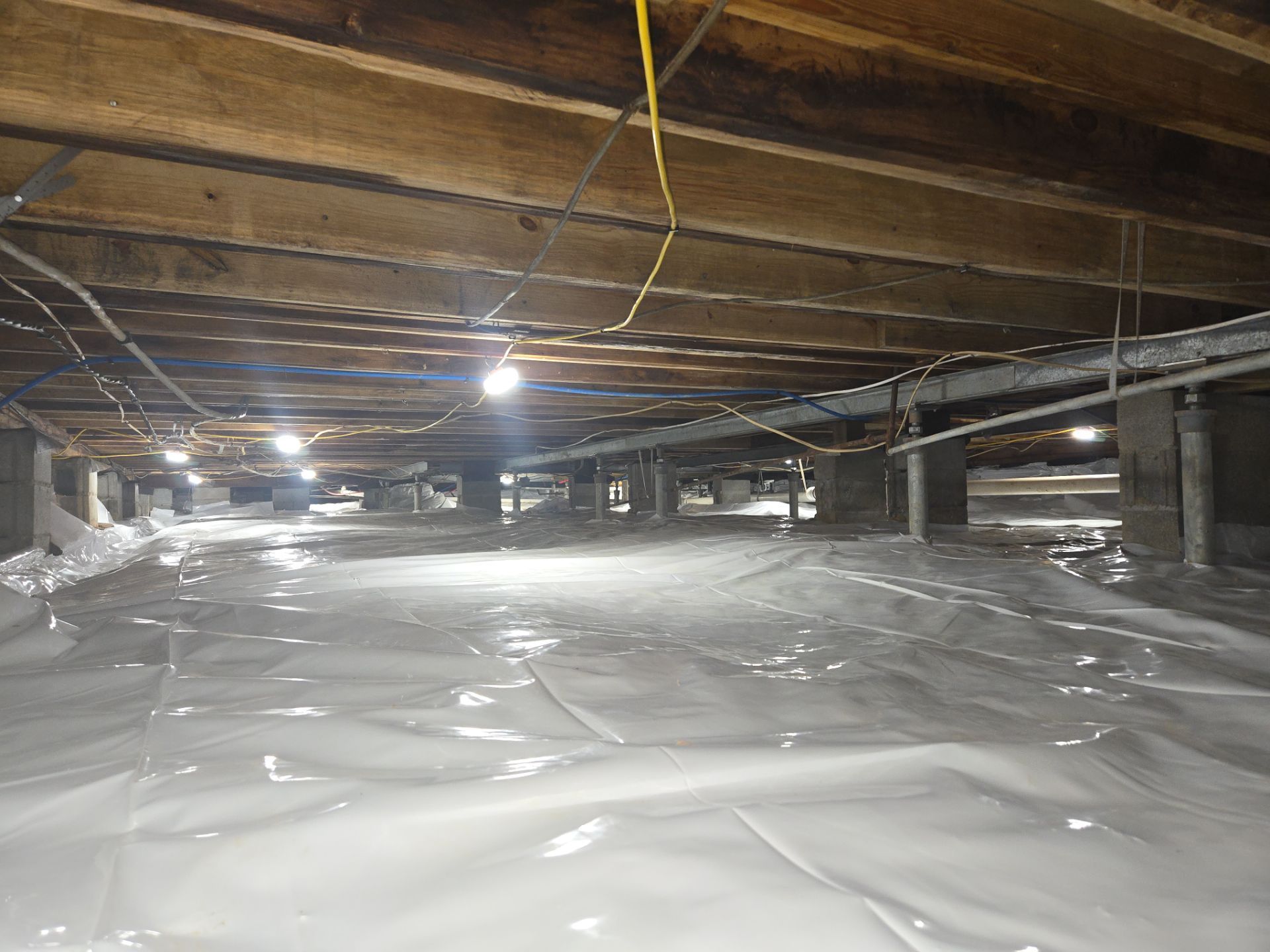
We look at how the floor system transfers weight through joists, beams, girders, piers, posts, sill plates, and foundations to determine where the problem appears to originate and whether previous repairs are addressing the actual cause.
What Happens After A Structural Inspection?
Once we determine what conditions are present, we explain what we found and recommend the appropriate next step.
Depending on the problem, that may include joist or beam repair, girder replacement, sill plate repair, pier or support work, floor leveling, moisture correction, or referral to a structural engineer when engineering review is appropriate.
Why Do Homeowners Choose Patriot Crawl Space Repairs?
Structural floor problems require more than simply adding support jacks.
As a Virginia Class A contractor with extensive experience repairing joists, beams, girders, sill plates, piers, and damaged subfloors, we evaluate the visible floor system and support structure as a whole and recommend repairs based on the actual conditions we find.
Frequently Asked Questions
What does a structural inspection include?
We visually inspect accessible crawl space framing and floor-system components, including joists, beams, girders, sill plates, piers, posts, supports, and subfloor areas for visible damage, deterioration, movement, improper repairs, and other structural concerns.
What causes sagging or uneven floors?
Common causes include damaged or undersized joists, deteriorated beams or girders, settled or inadequate piers, wood rot, moisture damage, improper previous repairs, and structural movement beneath the home.
Can you tell whether support jacks are actually needed?
In many cases, yes. We evaluate why the floor is moving before recommending additional support. Support jacks can be useful in the right situation, but they are not the correct solution for every structural problem.
Do you inspect for wood rot and moisture damage?
Yes. We look for visible rot, fungal deterioration, moisture staining, and other conditions that may weaken structural wood. When moisture is contributing to the damage, the moisture source should also be addressed.
Do I need a structural engineer?
Not every structural floor repair requires an engineer. If the condition is unusually complex, involves significant structural movement, or requires engineering analysis, design, or certification, we may recommend evaluation by a structural engineer.
Can Patriot perform the repairs after the inspection?
Yes. Patriot Crawl Space Repairs performs structural repairs including joist, beam, girder, sill plate, subfloor, pier, and support repairs when those repairs are appropriate for the conditions found.