Did You Receive A Large Crawl Space Repair Quote?
If you have been handed a large crawl space, foundation, mold, drainage, or structural repair proposal, get an opinion from an actual contractor before you sign it.
We inspect the conditions ourselves, explain what we believe is necessary, and give you practical options without trying to fit your home into a predetermined package or product system.
Why Can Crawl Space Quotes Be So Different?
Crawl space companies vary enormously in how they inspect and sell work. Some inspectors have decades of construction experience while others enter the industry with very little building experience, and many work under sales quotas or compensation structures that reward larger projects.
Some companies also rely heavily on standardized packages, which can result in two companies seeing the same crawl space and recommending completely different scopes.
What Types Of Quotes Do We Review?
We provide second opinions on crawl space encapsulation, drainage systems, sump pumps, mold remediation, structural wood repairs, support jacks, insulation removal or replacement, dehumidifiers, vapor barriers, rodent damage, duct repairs, and related crawl space work.
Sometimes the original proposal is appropriate, sometimes only part of it is necessary, and sometimes we believe a different repair approach makes more sense.
The 6 Biggest Crawl Space Quote Mistakes We See
After inspecting hundreds of crawl spaces every year, we see both good repair quotes and proposals that are unnecessarily expensive, incomplete, or poorly matched to the actual problem. These are six of the biggest mistakes we see.
1. Full Encapsulation In Low Coastal Virginia Crawl Spaces
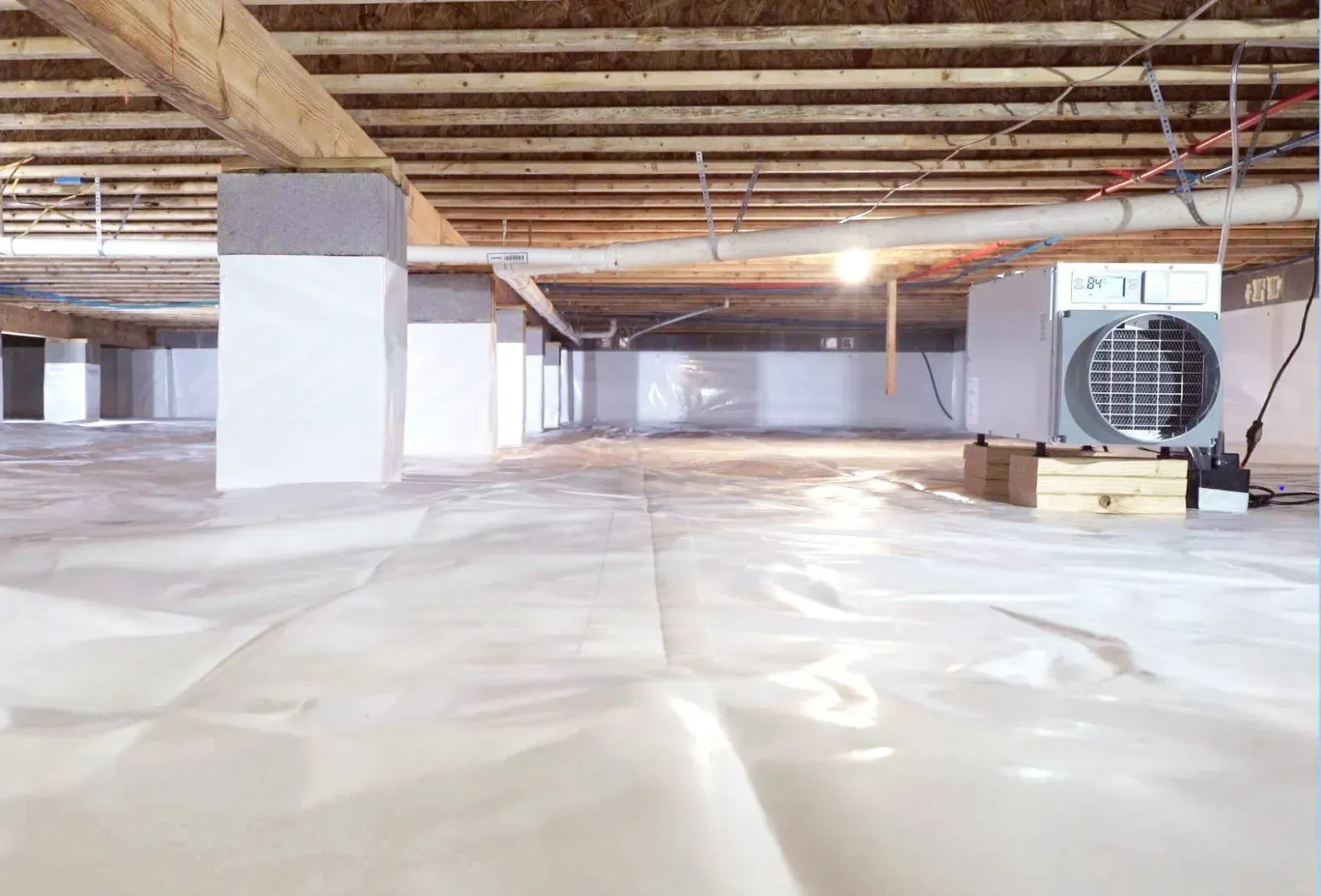
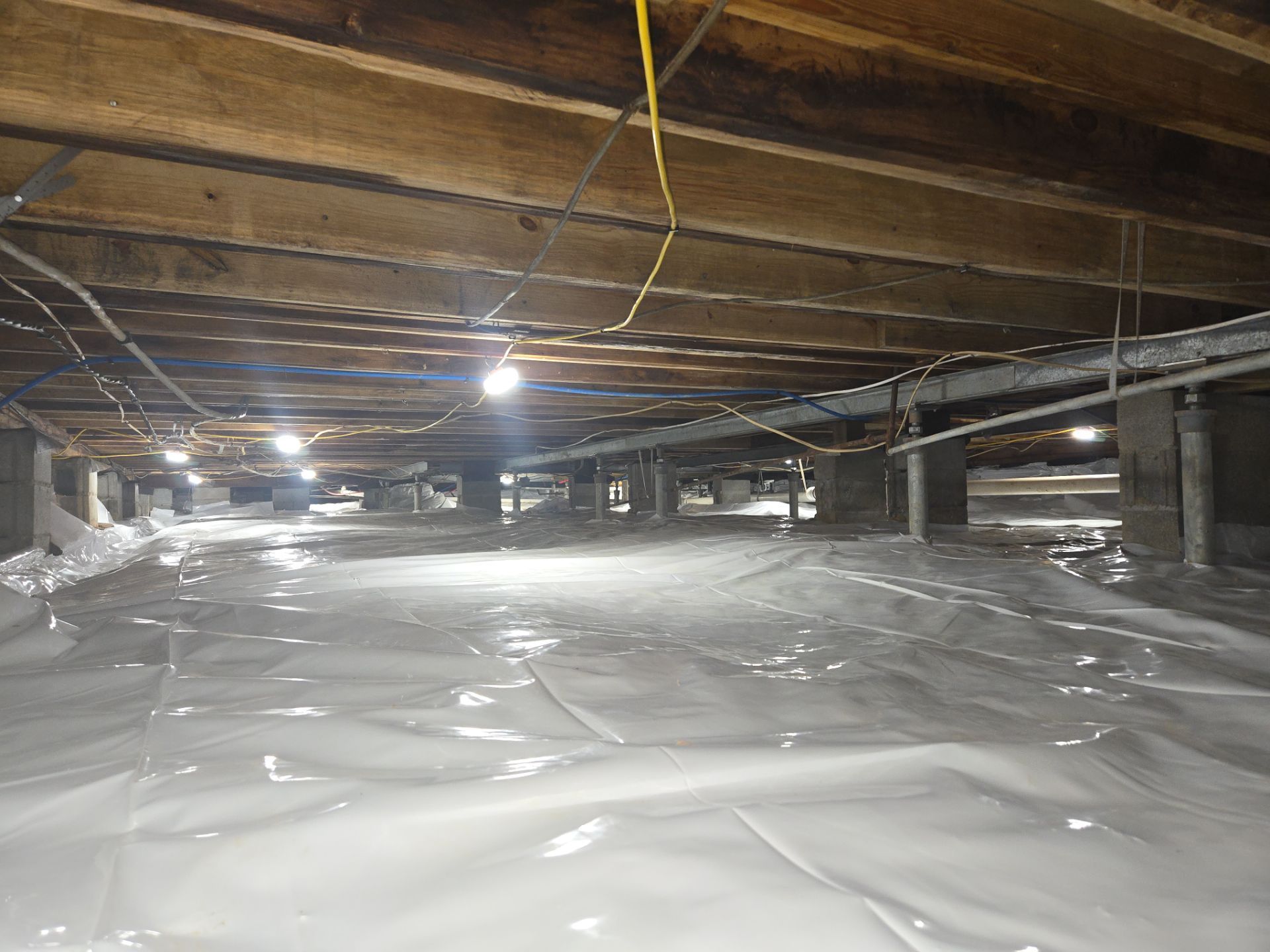
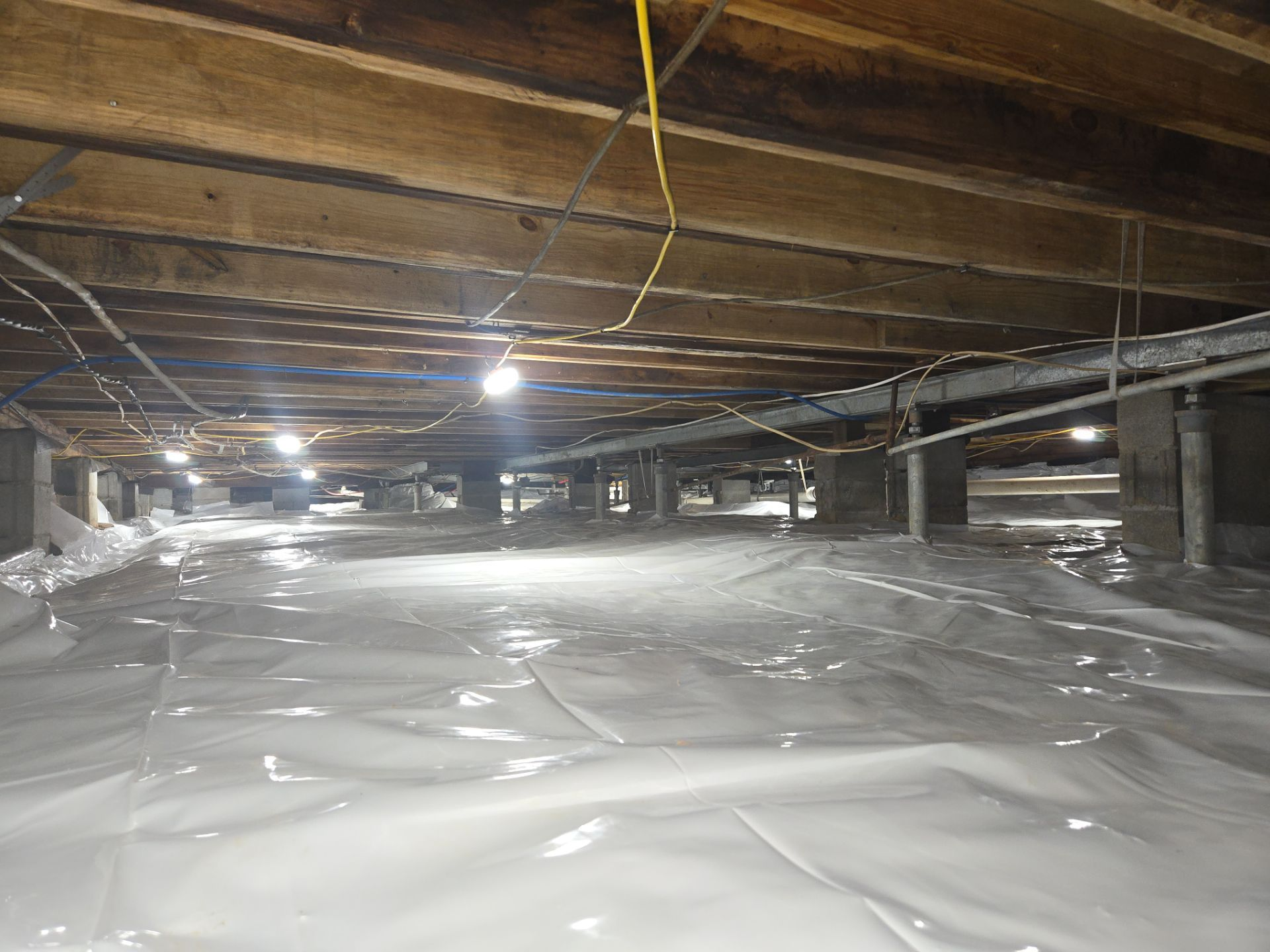
Full wall liners and foundation-wall insulation can obstruct inspection for termites, rodents, water intrusion, and foundation-wall problems in low crawl spaces. In many homes, those components are not necessary to address the primary moisture sources, so the homeowner can end up paying substantially more for a system that also creates future inspection and maintenance complications.
Crawl space problems are often interconnected. Moisture can contribute to mold and wood deterioration, rodents can damage insulation and ductwork, drainage problems can affect humidity, and damaged ducts can influence conditions both above and below the floor. Our inspections consider these relationships to determine what is actually causing the problem.
There are no commissioned salespeople arriving with a predetermined encapsulation package or repair system. We inspect the conditions, explain what we find, and recommend the repairs we believe are reasonably necessary to correct the problem.
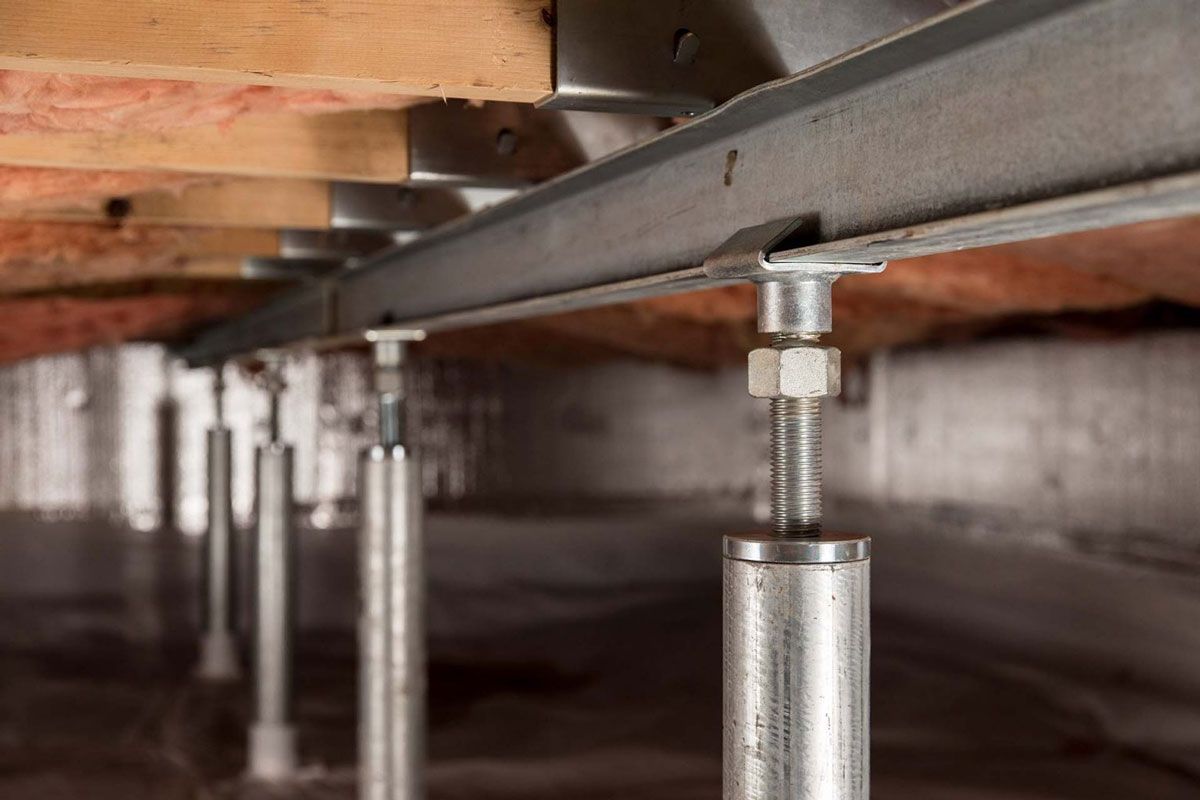
2. Support Jacks Sold For Every Sagging Floor
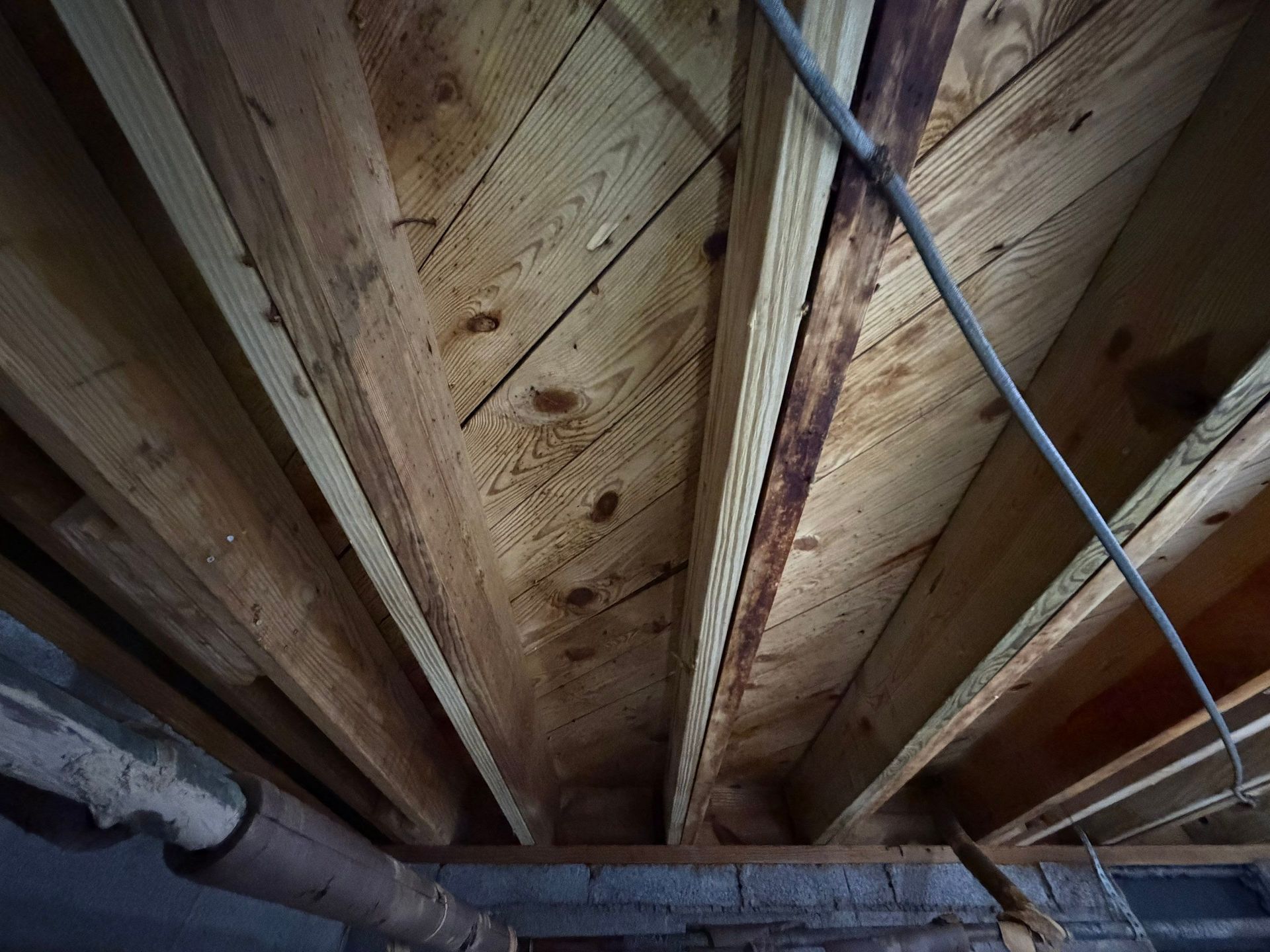
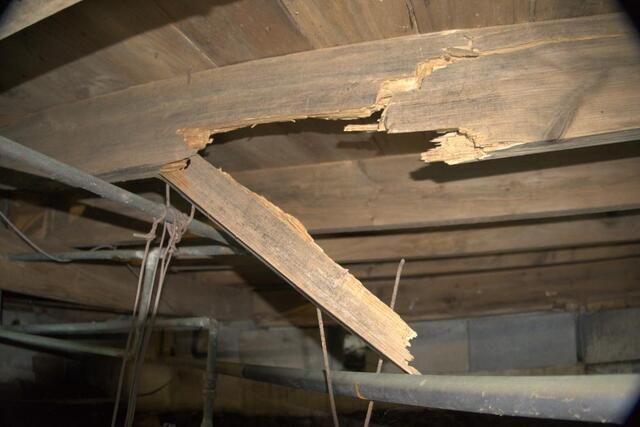
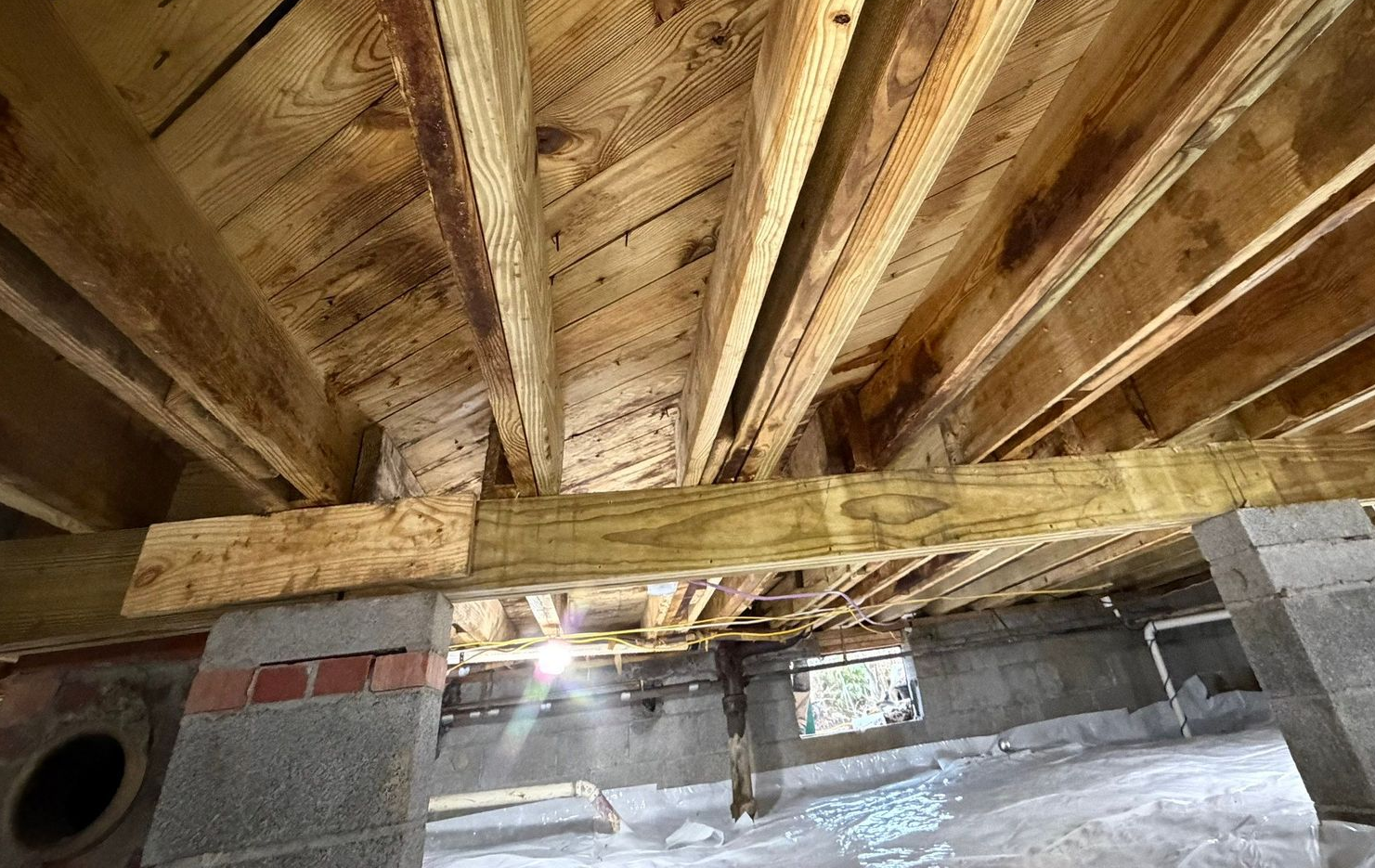
Some companies recommend steel support jacks almost automatically whenever a floor sags or feels uneven. In many older homes, however, the real problem is moisture-damaged, permanently deflected, or deteriorated framing, and a jack does not restore damaged wood to its original condition. Moisture correction and proper wood repair are often the better long-term solution.
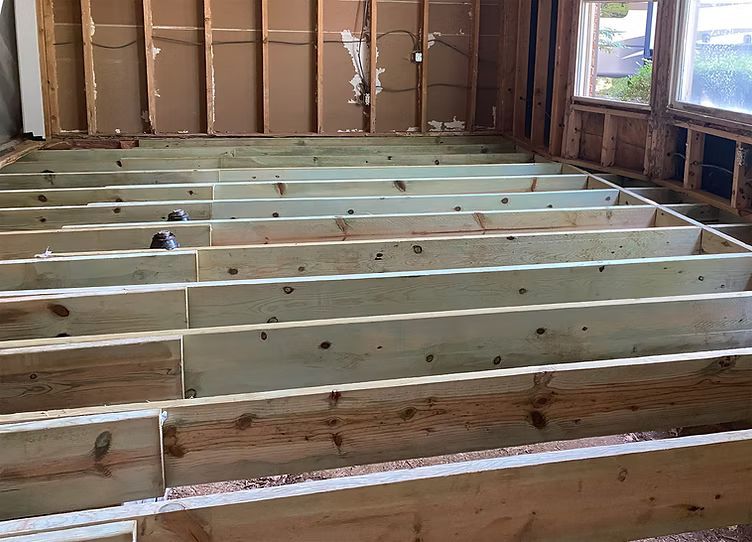
When structural framing is weakened by moisture, wood rot, settlement, or long-term deflection, we focus on correcting the conditions affecting the floor system—not simply lifting the floor temporarily. Repairs may include joist sistering, beam reinforcement or replacement, subfloor repairs, and restoring proper structural support using real-world framing experience and sound structural principles.
As a Virginia Class A Contractor and licensed structural pest control contractor with extensive crawl space and framing experience, we perform structural wood repairs designed around long-term building performance, crawl space durability, and the environmental conditions affecting coastal Virginia homes. Major structural repairs are reviewed by structural engineers when appropriate.
3. Fungus Treatment Instead Of Mold Cleaning
Many pest-control companies recommend chemical fungus treatments for crawl space mold. Those treatments may address biological growth, but they do not physically remove the mold spores and contamination from the wood surfaces. Proper remediation generally includes cleaning the affected wood and correcting the moisture conditions that allowed the mold to develop in the first place.
As a licensed pest control company and Virginia Class A Contractor, Patriot can approach rodent problems from both sides. We identify evidence of rodent activity, locate likely entry points, remove rodents, perform exclusion work, clean contaminated areas, and repair many of the building components damaged by rodent activity.
This allows us to address the complete problem—from the pest activity itself to the construction defects and damage associated with it—rather than treating rodent control and home repair as unrelated services.
4. Cheap Components Used To Lower The Price
A lower proposal can sometimes be achieved by using cheaper dehumidifiers, thinner vapor barriers, undersized drainage components, or lower-quality materials. That may reduce the upfront price, but it can leave the homeowner with equipment that fails early, plastic that tears easily, or a drainage system that does not perform reliably when it is actually needed.
As MICRO Certified Mold Remediation professionals, we can remediate visible mold growth while also addressing the crawl space conditions contributing to the problem. Depending on what we find, the overall repair may involve mold treatment, removal of contaminated materials, moisture control, air sealing, drainage, dehumidification, or repairs to damaged wood.
The goal is not simply to treat visible mold. It is to create crawl space conditions that are less conducive to recurring mold growth while preserving the durability of the home and the building materials beneath it.
5. Encapsulation Without Complete Rodent Exclusion
Many companies install expensive crawl space liners without fully sealing the openings rodents use to enter the space. A homeowner can spend $10,000 to $20,000 on a new system only to have mice or rats damage the liner, insulation, or ductwork shortly afterward. Rodent exclusion should be addressed before installing materials that can easily be damaged.
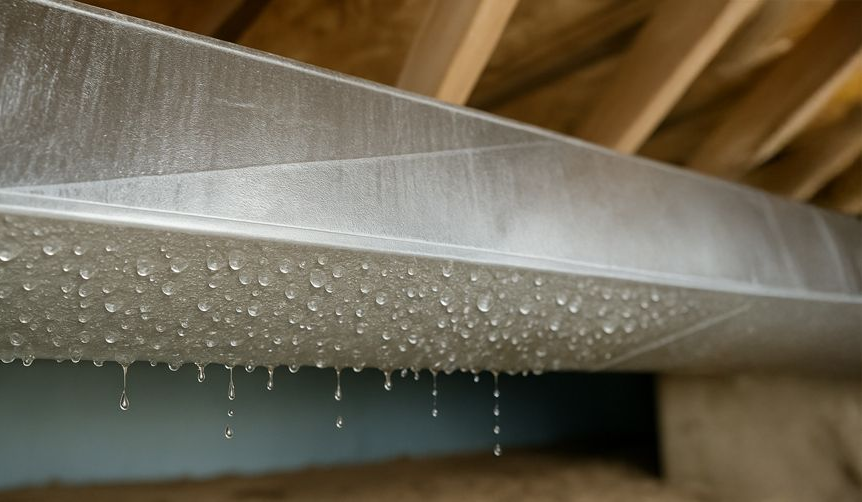
Plumbing lines, drain piping, HVAC ductwork, insulation, drainage systems, and structural framing all occupy the same environment, and problems with one system can affect the others. A plumbing leak can contribute to mold and wood deterioration. Damaged or poorly sealed ductwork can contribute to condensation and indoor air quality concerns. Drainage problems can create persistent moisture conditions throughout the crawl space.
Our experience with plumbing, duct repair, drainage, moisture control, and residential construction helps us evaluate these conditions together and identify the source of a problem rather than simply repairing the most obvious symptom.
6. Ignoring Old Or Contaminated Ductwork
Some companies market full encapsulation as an indoor-air-quality solution while paying little attention to old ductwork sitting inside the same crawl space. If the crawl space has had mold, rodents, moisture, or deteriorated insulation, the duct system that delivers air throughout the home deserves evaluation too. Improving the crawl space while ignoring visibly contaminated or failing ductwork is an incomplete approach.
Many Crawl Space Systems Are Overbuilt
More material and more components do not automatically create a better crawl space. Some systems are substantially more complicated than the moisture or structural problem requires, and unnecessary components can create future inspection, pest-control, drainage, or maintenance problems.
Full encapsulation is a good example: it can be an appropriate solution, but it should be selected because the house needs that assembly—not simply because it is the largest package available.
Do You Really Need Everything In The Quote?
Not every crawl space problem requires the most extensive repair available because standing water, condensation, mold, wood rot, sagging floors, damaged insulation, and high humidity are different problems.
We evaluate the conditions under the house first so the repair scope is based on what is actually happening rather than simply installing the largest available system.
Owner-Led Inspection. Not A Sales Appointment
Every second opinion inspection is personally performed by Robbie McCarty, owner of Patriot Crawl Space Repairs. You are not meeting with a commissioned salesperson whose job is to close a particular system.
Robbie inspects the crawl space, evaluates the building conditions, reviews the proposal you received, and explains what he would recommend if it were his responsibility to repair the house.
What Makes Us Qualified?
Robbie has more than 25 years of residential construction and repair experience and personally inspects more than 600 homes each year.
He is a Virginia Class A Residential Building Contractor, MICRO Certified Mold Remediator, licensed pest-control operator, and Master Plumber, with extensive experience in moisture science, building-code requirements, structural framing, load paths, crawl space systems, drainage, insulation, plumbing, mold, and building performance.
What Happens During A 2nd Opinion Inspection?
We inspect the crawl space independently rather than beginning with the assumptions in the existing proposal.
We evaluate moisture sources, wood condition, framing and load paths, drainage, insulation, ductwork, plumbing, pest damage, mold, vapor barriers, dehumidification, and any existing systems, then compare what we actually observe to the work that has been recommended and explain where we agree, disagree, or would approach the repair differently.
Why Do Homeowners Choose Patriot?
Homeowners often call Patriot because they want an experienced person to tell them what the house actually needs rather than sell them the largest available system.
Our approach is to diagnose the problem first, explain the options clearly, and recommend the minimum effective repair that addresses the condition without adding unnecessary cost, complexity, or components that do not provide a meaningful benefit.
Second Opinion Guides
Our Second Opinion Guides examine the major decisions homeowners face when reviewing proposals for encapsulation, drainage, mold, structural repairs, support jacks, insulation, dehumidification, and other crawl space work.
The guides explain what each system is intended to accomplish, where it provides value, and where a simpler or different solution may deserve consideration.
Frequently Asked Questions
Should I show you the other contractor’s proposal?
Yes. Bring the complete proposal, photographs, measurements, inspection notes, or other information you received. We do not use the proposal as our diagnosis, but reviewing it after our own inspection allows us to explain specifically which recommendations correspond to conditions we observed and which portions we may view differently.
Will you tell me if the first contractor is right?
Yes. A second opinion is not valuable if the answer is predetermined. If we believe the original recommendation is technically justified, we will tell you. If we agree that a problem exists but disagree with the proposed method, scope, or amount of work, we will explain the basis for that difference.
Does building code really require full crawl space encapsulation?
No. A full encapsulation is one new construction buidling code compliance path. When contractors tell you that wall insulation is required, or that a wall sealed liner is required, they are right that for their package it is required, but the building code allows for multiple paths and crawl space configurations, especially in existing homes when the project is repair and maintenance based.
Can you review an encapsulation proposal?
Yes. We evaluate the conditions the encapsulation is intended to correct, including humidity, condensation, ground vapor, air leakage, drainage, crawl space height, insulation, and existing mechanical systems. We then determine whether the proposed assembly addresses those conditions and whether every component appears necessary for the intended result.
Can you tell whether I really need a drainage system or sump pump?
Usually. Drainage should address actual liquid-water entry, not simply elevated humidity or condensation. We look for water staining, sediment movement, soil conditions, foundation penetrations, low points, historical water levels, surface drainage patterns, sump conditions, and other physical evidence before recommending a perimeter drain or pumping system.
Can you review structural repair recommendations?
Yes. We evaluate accessible joists, girders, sill plates, piers, posts, subfloor, support jacks, bearing conditions, and visible load paths to determine what appears damaged or inadequately supported. When a condition requires engineering calculations or design beyond the scope of a contractor inspection, we recommend involvement of a structural engineer.
Can you review a mold remediation proposal?
Yes. Mold remediation should address both the affected material and the moisture condition that allowed microbial growth to occur. We evaluate humidity, condensation, leaks, drainage, insulation, ventilation, wood moisture, and other relevant conditions rather than treating visible mold as an isolated problem.
What if the proposal came from a termite or pest-control company?
We can independently evaluate repair recommendations involving damaged framing, moisture, insulation, vapor barriers, structural components, and related crawl space work regardless of who prepared the original proposal. Pest treatment and building repair are different scopes, so it can be useful to have the repair recommendations evaluated from a construction and building-performance perspective.
Is the second opinion inspection free?
Yes. Patriot provides free crawl space inspections throughout our Hampton Roads service area, including second opinion inspections for homeowners who have already received a proposal from another crawl space, foundation, waterproofing, structural, or pest-control company.