Different Companies See The Same Space Differently
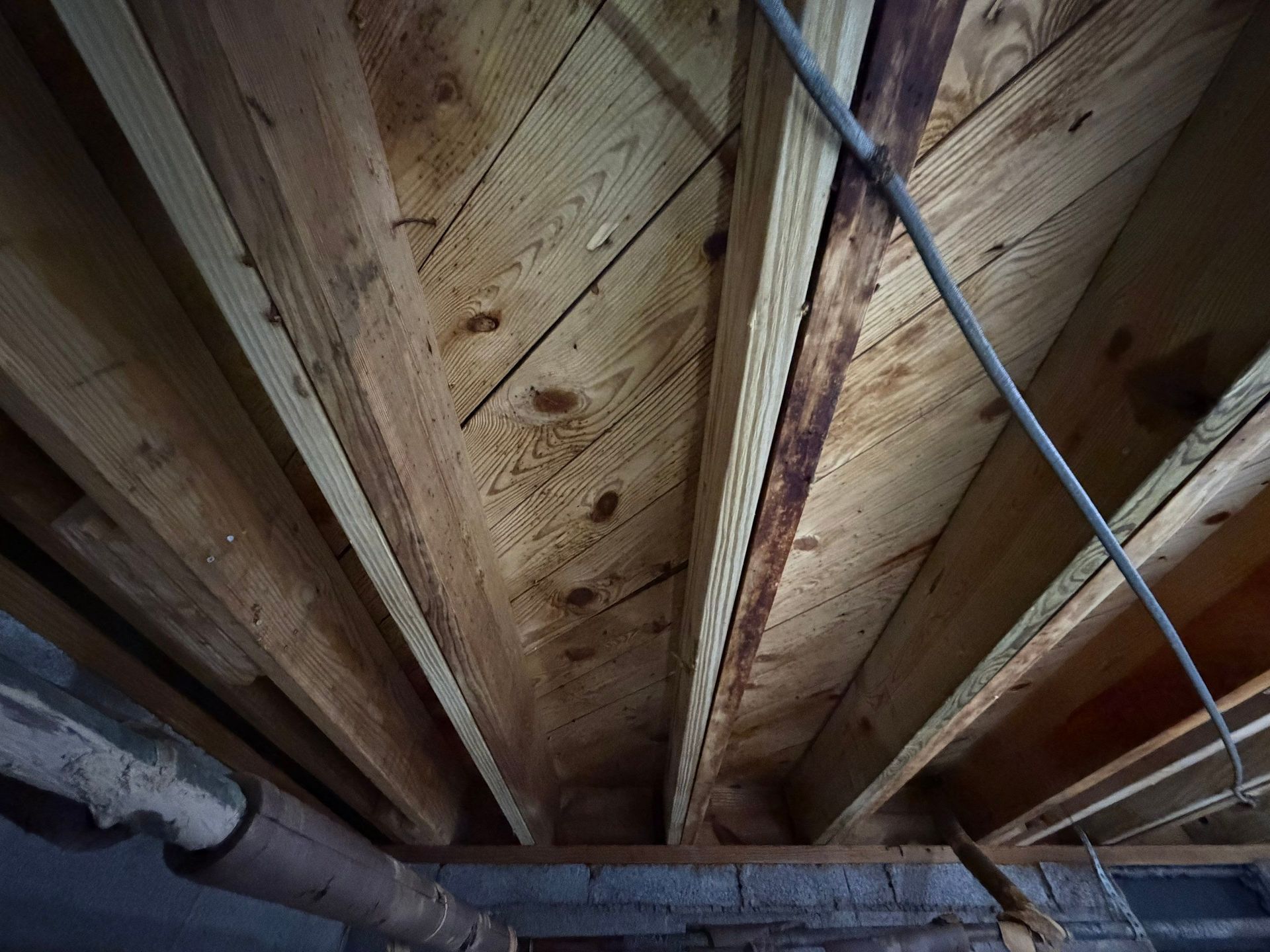
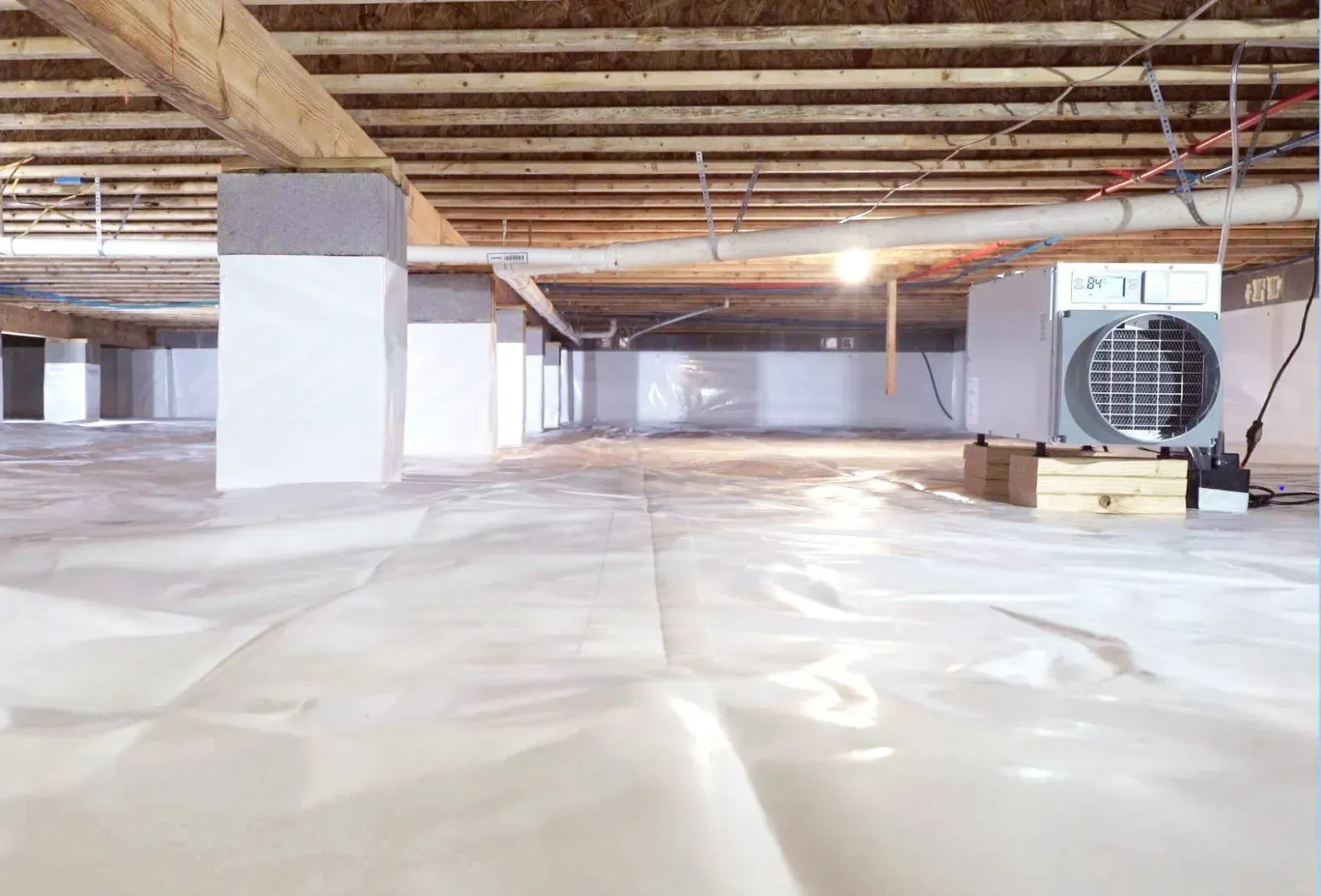
A crawl space can have moisture, mold, structural damage, drainage problems, rodent activity, failing insulation, damaged ductwork, or several of those conditions at the same time.
One company may focus almost entirely on encapsulation, another on structural repairs, and another on pest or waterproofing work. The proposal often reflects the company’s specialty as much as the actual condition of the home.
Inspector Experience Can Vary Dramatically
The person inspecting your crawl space may have decades of construction and building-science experience, or they may have only a few months of training and a sales manual.
Some companies hire inspectors with very little background in structural framing, moisture science, plumbing, pest control, building code, or repair work. The quality of the proposal is heavily influenced by the experience of the person deciding what is wrong.
Sales Quotas And Commissions Matter
Many crawl space inspectors are also salespeople and may be paid based on the size of the project they sell. That does not automatically make the recommendation wrong, but it creates a different incentive than an owner or contractor whose job is to determine what the house actually needs.
Homeowners should understand whether the person recommending the work is diagnosing the house or selling a package.
The 5 Crawl Space Quote Red Flags
1. The package seems overbuilt for the problem,
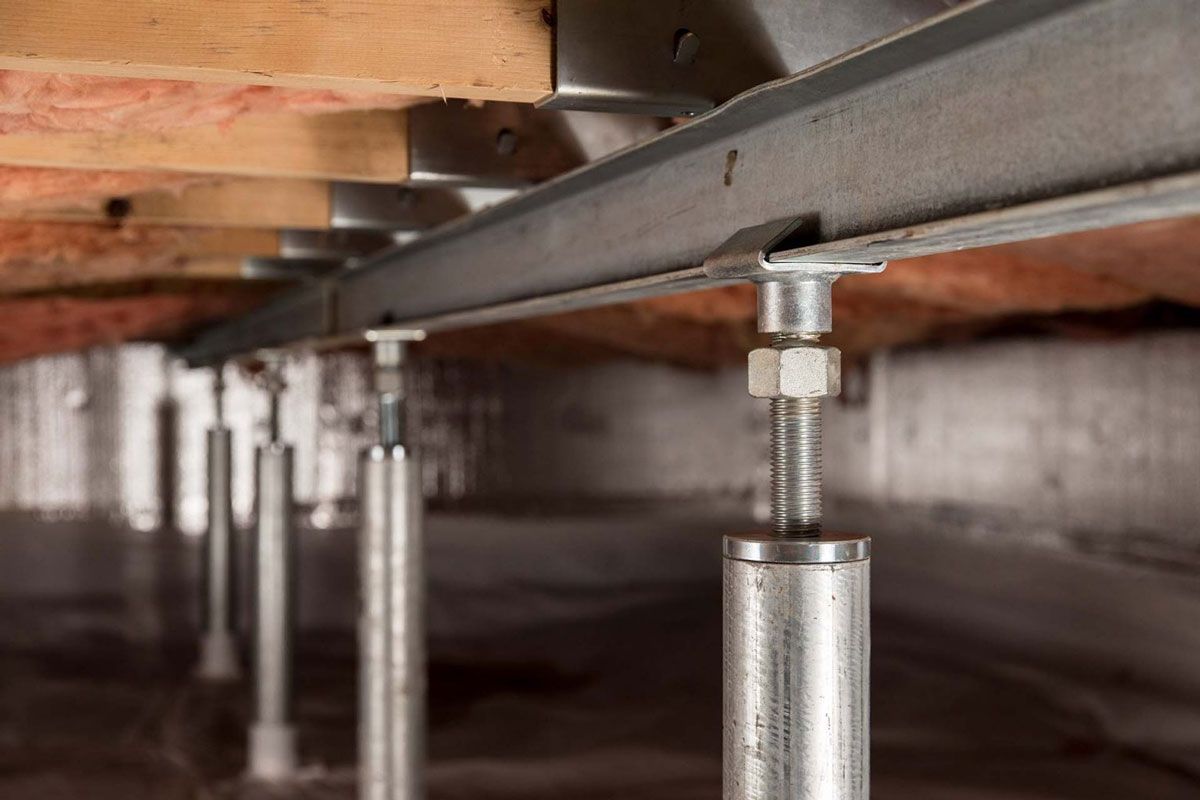
If every crawl space gets the same encapsulation, drainage, support-jack, or insulation package, the company may be selling a system rather than solving the specific problem under your home. A good proposal should explain what is wrong first, then connect each recommended component to that condition.
2. Telling you code requires a full package in an existing home.
Building code is nuanced, especially in existing homes. If a salesperson says a wall liner, insulation, drainage system, or full encapsulation package is required by code but cannot explain which provision applies to your house, that deserves a closer look. Company training is not the same thing as understanding the code.
3. Discount to "sign up today".
A legitimate repair recommendation should still make sense tomorrow. If the salesperson offers a large discount only if you sign immediately, or pressures you to approve the work before you have time to review the proposal, compare options, or get another opinion, slow the process down. Major home repairs should not require an impulse decision.
4. The inspector pushed financing heavily.
Financing can be useful, but it should not become the reason you buy the project. Be cautious when the conversation shifts quickly from whether the work is actually necessary to monthly payments, promotional terms, or “what payment fits your budget.” First determine what the house needs, then decide how you want to pay for it.
5. The inspector doesn't understand the science behind the product.
A knowledgeable inspector should be able to explain why they recommend one repair method over another, what the alternatives are, and what happens if you do less. If the answer is simply “this is our system” or “this is what code requires,” without a technical explanation, you may be getting a sales presentation rather than a true building assessment.
Standard Packages Can Drive Quote Prices Up
Large companies often rely on standardized systems because they are easier to train, price, and install. That can mean full encapsulation, drainage, sump pumps, support jacks, insulation removal, dehumidifiers, or other components are bundled into a proposal even when only part of the package addresses the actual problem.
Two quotes can look completely different simply because one company sells a package and another builds the scope around the house.
Some Quotes Include Problems Others Ignore
A lower quote is not always the better quote. One contractor may identify mold, rodent entry, deteriorated ductwork, plumbing leaks, damaged framing, drainage problems, or insulation issues that another contractor overlooks.
A higher proposal may be more complete, while a lower proposal may simply leave important conditions unaddressed. The real question is whether each item in the scope is tied to a problem that actually exists.
Building Code Is Often Over-Simplified
Crawl space salespeople are often trained around the code path that applies to the system their company sells, and they may genuinely believe that the entire assembly is required. Building code is usually more nuanced, particularly for existing homes, different climate zones, repair and maintenance work, and multiple allowable moisture-control approaches.
“Code requires it” should always be followed by the question: what exactly does code require for this house and this scope?
Moisture Problems Are Often Misdiagnosed
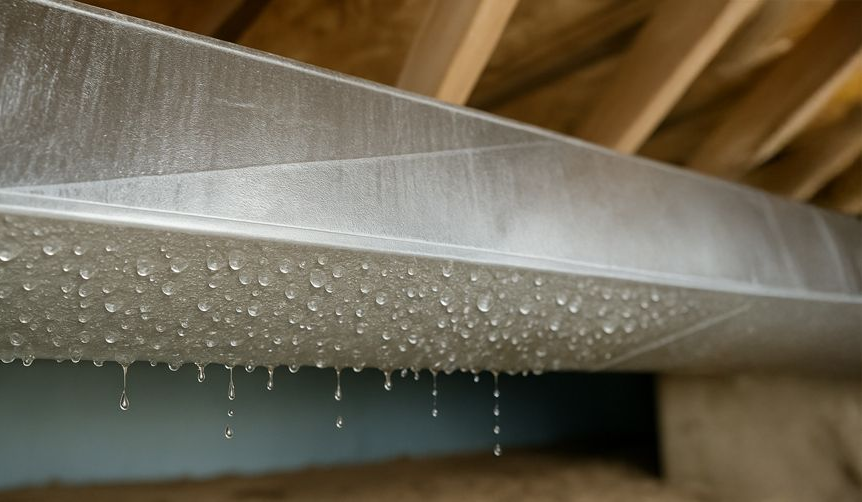
Condensation, ground vapor, groundwater, plumbing leaks, surface water, and high humidity are different moisture sources. A drainage system solves liquid water problems, while a dehumidifier controls humidity, and neither one repairs mold, rotten wood, or damaged ductwork.
When the moisture source is misidentified, the proposal can become much larger than necessary or fail to solve the actual problem.
What Happens During A 2nd Opinion Inspection?
We inspect the crawl space independently rather than beginning with the assumptions in the existing proposal.
We evaluate moisture sources, wood condition, framing and load paths, drainage, insulation, ductwork, plumbing, pest damage, mold, vapor barriers, dehumidification, and any existing systems, then compare what we actually observe to the work that has been recommended and explain where we agree, disagree, or would approach the repair differently.
Why Do Homeowners Choose Patriot?
Homeowners often call Patriot because they want an experienced person to tell them what the house actually needs rather than sell them the largest available system.
Our approach is to diagnose the problem first, explain the options clearly, and recommend the minimum effective repair that addresses the condition without adding unnecessary cost, complexity, or components that do not provide a meaningful benefit.
Second Opinion Guides
Our Second Opinion Guides examine the major decisions homeowners face when reviewing proposals for encapsulation, drainage, mold, structural repairs, support jacks, insulation, dehumidification, and other crawl space work.
The guides explain what each system is intended to accomplish, where it provides value, and where a simpler or different solution may deserve consideration.
Frequently Asked Questions
Why can two crawl space repair quotes be thousands of dollars apart?
The companies may be diagnosing different problems or recommending completely different repair approaches. One may include moisture control, mold remediation, structural repairs, drainage, insulation, rodent work, or duct repairs that another company did not identify. Inspector experience, sales model, labor standards, materials, and warranties can also create major differences.
Does a higher crawl space quote mean the company is better?
No. A higher quote may reflect more complete repairs, better materials, a more experienced inspection, or stronger warranties, but it can also reflect an oversized standardized package. The important question is whether each component is actually needed and whether the proposal explains what problem it is intended to solve.
Why do some companies recommend completely different repairs?
Different companies often specialize in different systems. A waterproofing company may focus on drainage and encapsulation, a structural company may focus on support systems, and a pest-control company may focus on treatment and insulation. The best repair should be based on the house, not the company’s main product line.
Why do structural repair quotes vary so much?
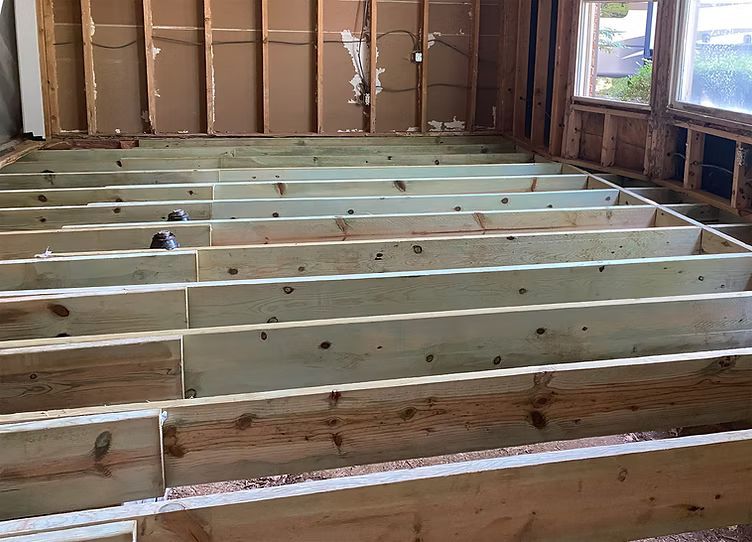
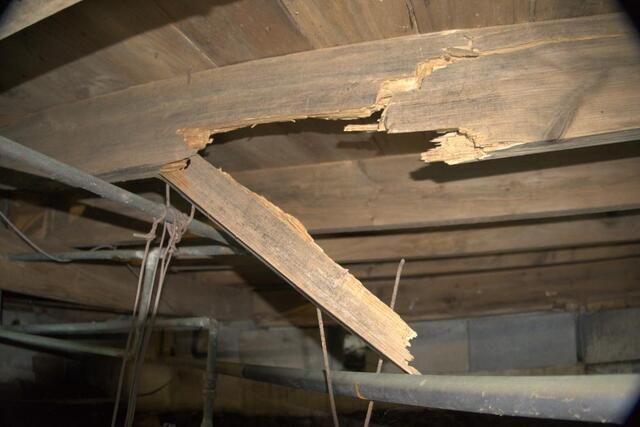
Structural problems can come from rotten wood, permanent deflection, failed beams, settled piers, inadequate spans, moisture damage, or other conditions. Some companies rely heavily on steel support jacks, while others repair or replace damaged framing. Different diagnoses can produce dramatically different scopes and prices.
How should I compare two crawl space proposals?
Compare them component by component rather than only comparing the total. Look at the diagnosis, moisture source, structural repairs, drainage, mold work, insulation, rodent exclusion, ductwork, dehumidification, vapor barrier, materials, equipment, warranties, and the reason each item is being recommended.
Should I get another opinion if the quotes are very different?
Yes, especially when the difference is large or the contractors are recommending fundamentally different repairs. A second inspection can help determine whether one contractor missed important work, another overbuilt the scope, or both companies are approaching the same problem differently.