Crawl Space Building Code Is Not One-Size-Fits-All
Crawl space code depends on the age of the home, the purpose of the work, the type of assembly being installed, climate zone, and how the local building department applies the code.
A sales presentation that reduces all of that to “code requires our system” is usually leaving out important context.
The Purpose Of The Work Determines The Code Path
The key question is why the work is being performed. If the purpose is to repair or maintain an existing crawl space, the work falls under repair and maintenance.
If the purpose is to intentionally install a new construction style crawl space assembly, the project is being treated as an alteration. The fact that new materials or components are installed does not by itself make the project an alteration.
Repair & Maintenance Can Still Include Encapsulation
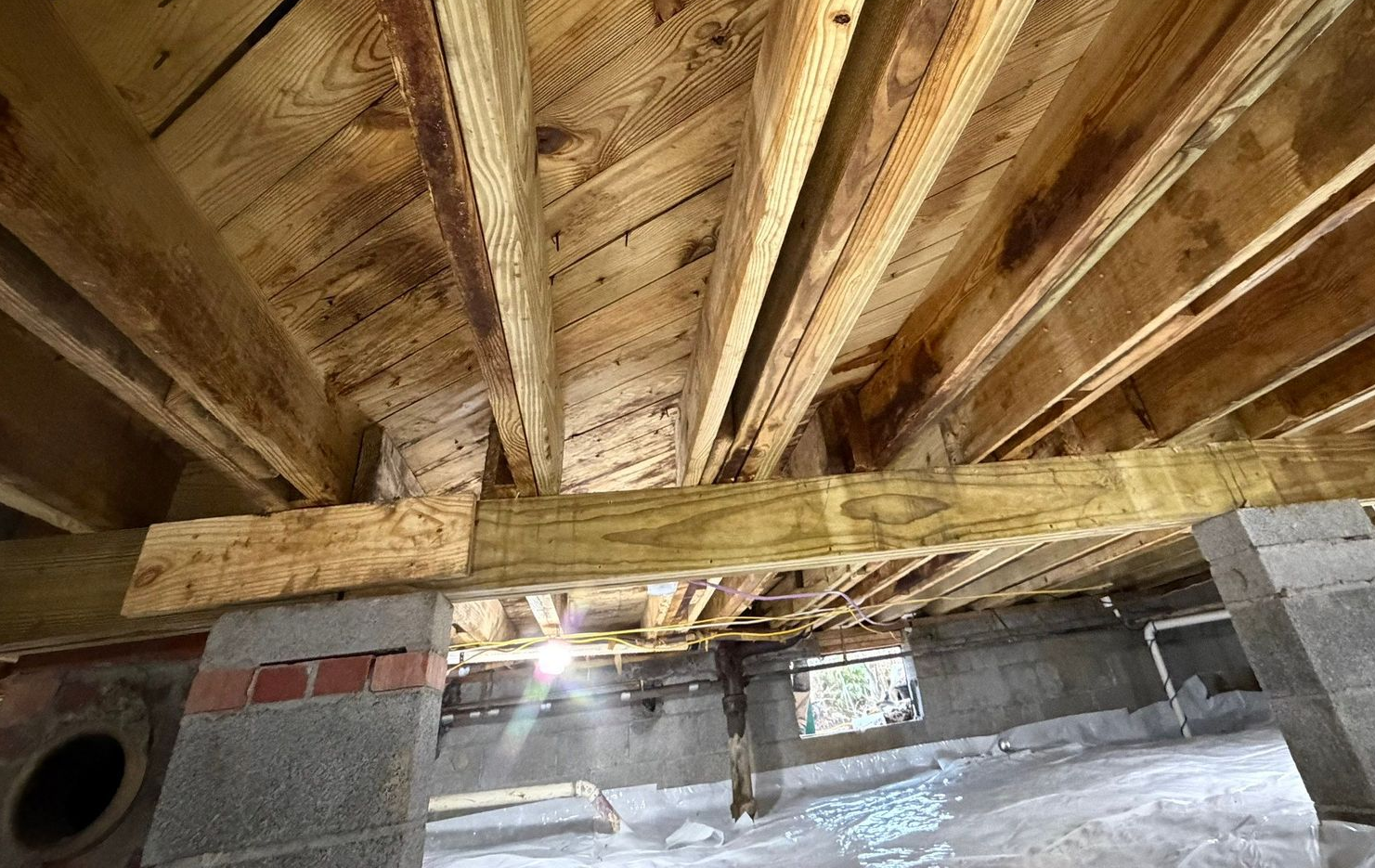
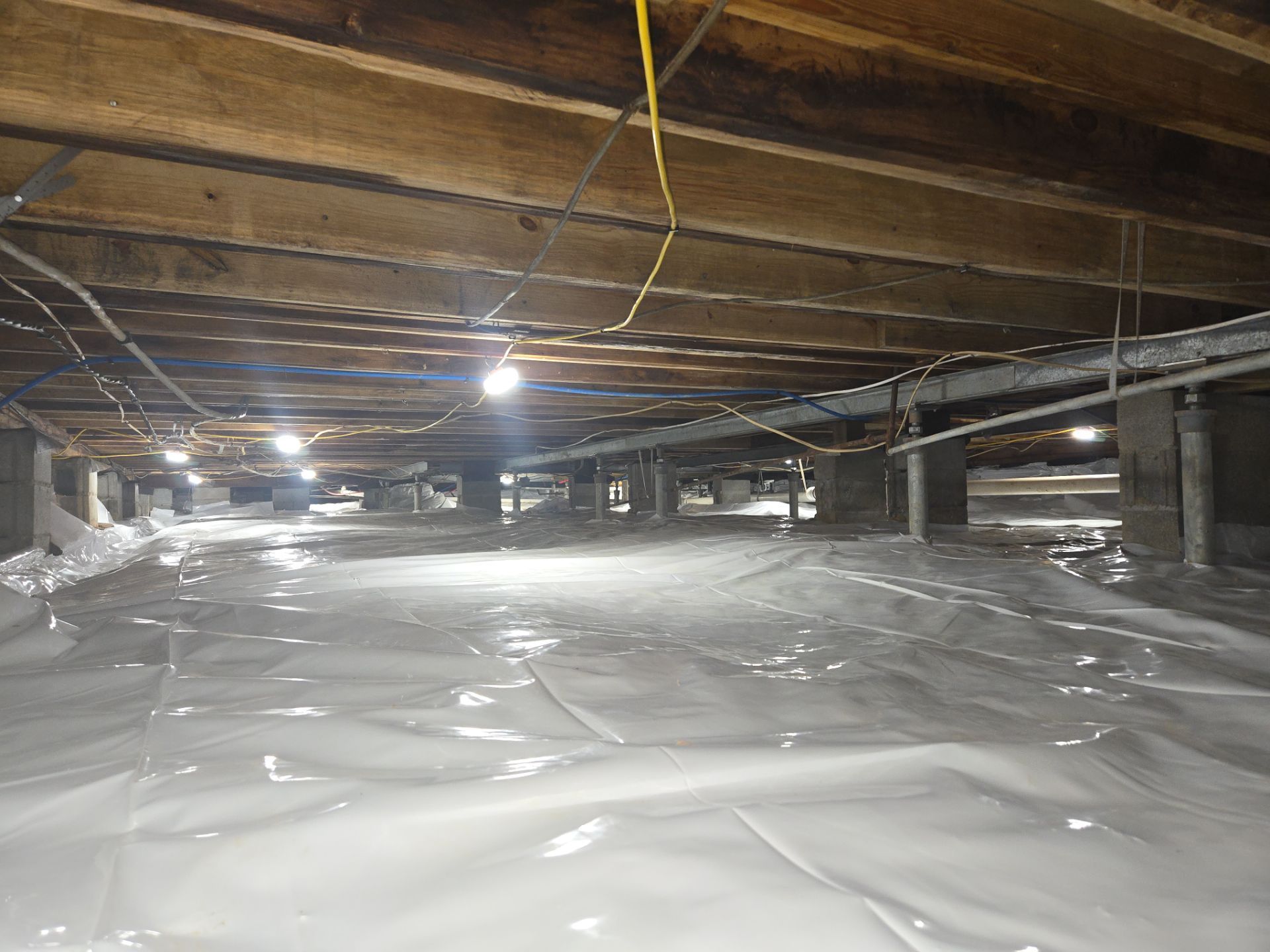
Repair and maintenance can include vapor barriers, dehumidification, drainage, insulation work, mold cleaning, rodent exclusion, duct repairs, plumbing-related work, electrical work serving the repair, and minor wood repairs.
Those items can all be part of correcting or maintaining an existing condition without converting the project into a new-construction crawl space package.
Top 5 Crawl Space Building Code Myths
1. “Building Code Requires Full Encapsulation”
There is no blanket rule requiring every existing crawl space moisture problem to be corrected with a full encapsulation package. Companies often train salespeople around the particular assembly they install, but that does not make that assembly the only code-compliant approach or mean every homeowner must rebuild the crawl space to new-construction standards.
2. “Installing New Materials Automatically Makes The Work An Alteration”
Repair and maintenance can involve new materials and equipment. Vapor barriers, dehumidifiers, insulation, drainage, duct repairs, pest-control work, and replacement of damaged components can all be part of repairing an existing home. The purpose and scope of the project matter more than whether something new is being installed.
3. “Every Sealed Crawl Space Requires New Insulation”
Not necessarily. Most Hampton Roads localities are in Climate Zone 3A, where the Virginia Energy Conservation Code contains an exemption for crawl space insulation under the applicable sealed-crawl-space provisions. Some nearby areas are in Zone 4A, and the age of the home and type of work can also affect what requirements apply.
4. “All Crawl Space Work Requires A Building Permit”
Routine crawl space repair and maintenance are not treated the same as major structural work or a deliberate new-construction-style alteration. Waterproofing, vapor barriers, plug-in dehumidifiers, insulation work, cleanup, duct repairs, and minor wood repairs are commonly handled differently from major structural repairs and full alteration packages.
5. “The Same Code Requirements Apply To Every Crawl Space”
They do not. The answer can depend on the age of the home, climate zone, purpose of the work, whether the project is repair or alteration, the assembly being installed, and how the applicable provisions are enforced locally. Crawl space code is not a one-size-fits-all checklist.
Why Some Companies Sell New Construction Packages
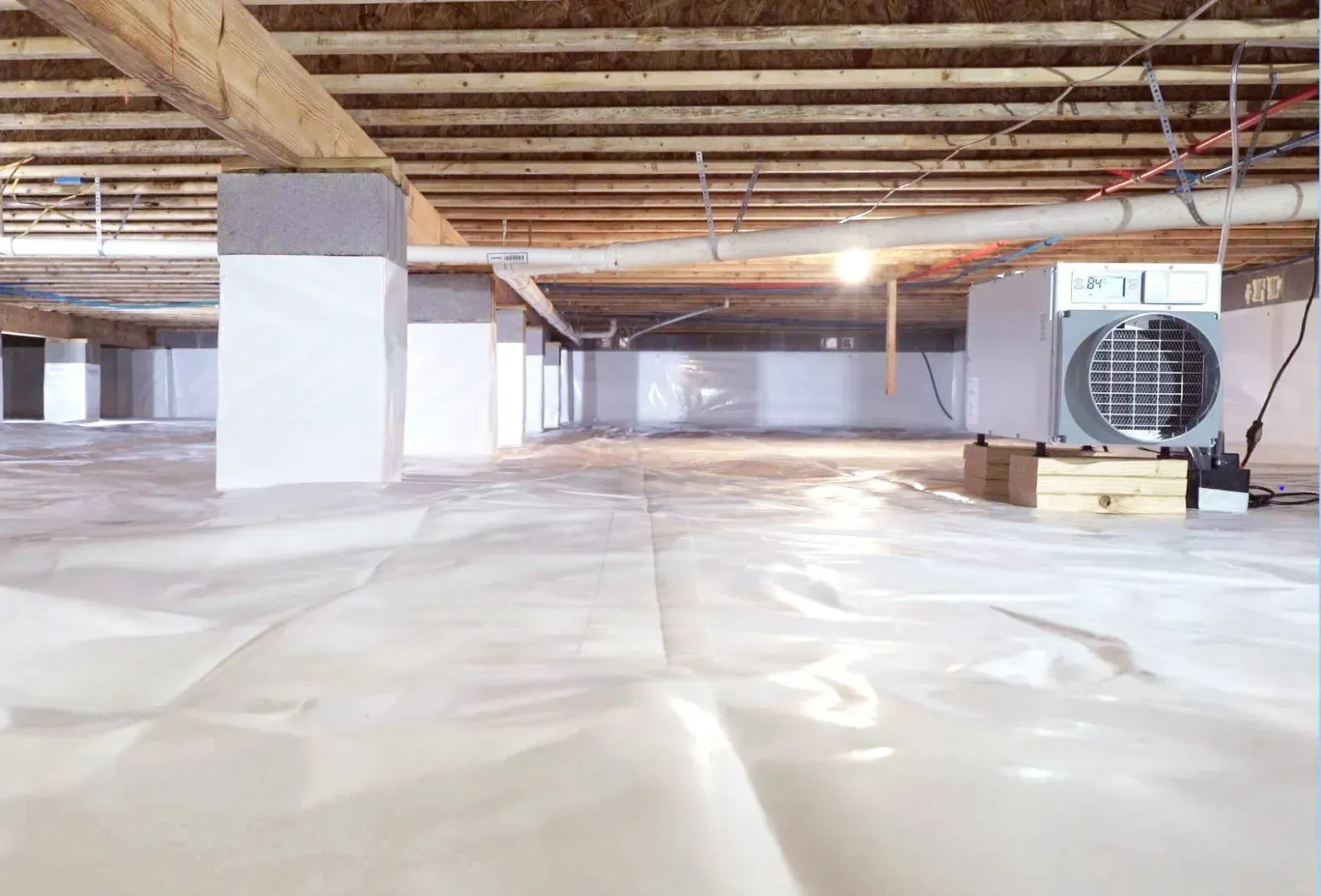
Some encapsulation companies intentionally sell a complete new-construction-style package with wall liners, insulation, air sealing, mechanical humidity control, drainage, and other components as one standardized assembly. For larger companies, that makes the work easier to template, train, price, and sell at scale.
When they choose that path, the code requirements associated with that assembly can come with it. That does not mean every homeowner repairing crawl space moisture had to choose that path in the first place.
Does Crawl Space Work Require A Permit?
Permit requirements depend on the purpose and scope of the project. Crawl space repair and maintenance—such as waterproofing, vapor barriers, plug-in dehumidifiers, insulation, cleanup, duct repairs, and minor wood repairs—are commonly performed without a building permit, while major structural repairs and new-construction-style assemblies are more likely to require one.
New materials or equipment do not automatically make a project an alteration. If the scope is unclear, discuss the permitting requirements with your contractor before the work begins.
Is Insulation Required In A Sealed Crawl Space?
Not always. Most Hampton Roads cities and counties are in Climate Zone 3A, where the Energy Code provides an exemption from crawl space insulation for sealed crawl spaces. Some nearby localities fall in Climate Zone 4A, where insulation requirements can apply depending on the crawl space assembly and specific county.
The age of the home also matters. Existing homes being repaired or maintained are not always required to be upgraded to the same insulation standards that apply to new construction, so the applicable requirement depends on the locality, climate zone, age of the home, and scope of work.
The Bottom Line
Crawl space code is not one-size-fits-all. At Patriot, we believe existing homes need customized repairs based on the actual problem, so we generally approach crawl space work as repair, maintenance, and pest-control work rather than forcing every home into the same templated new-construction assembly.
That distinction matters because a company that chooses to install a complete new-construction-style encapsulation package may trigger requirements tied to that assembly. That does not mean every homeowner correcting moisture, mold, pests, ductwork, or deterioration had to choose that path in the first place.
What Happens During A Crawl Space Inspection?
Every inspection is performed by owner Robbie McCarty to determine whether the floor problem is being caused by crawl space moisture, a plumbing or appliance leak, exterior water intrusion, structural deterioration, or a combination of conditions.
We inspect the accessible floor system and surrounding crawl space, document what we find, and develop a repair plan based on the actual cause and extent of the damage.
Why Do Homeowners Choose Patriot?
Homeowners often call Patriot because they want an experienced person to tell them what the house actually needs rather than sell them the largest available system.
Our approach is to diagnose the problem first, explain the options clearly, and recommend the minimum effective repair that addresses the condition without adding unnecessary cost, complexity, or components that do not provide a meaningful benefit.
Frequently Asked Questions
Why are existing homes treated differently than new construction?
Existing homes are primarily governed through the Virginia Existing Building Code and Virginia Property Maintenance Code, while new one- and two-family homes are built under the Virginia Residential Code. That is not a minor technical distinction—they are different code books written for different purposes. New construction is expected to meet the requirements for a new building assembly, while existing-building codes are designed to allow repair, maintenance, and continued use of homes that were built under earlier standards without automatically forcing every repair to become a full new-construction upgrade.
Why does building code seem so complicated?
Existing-home repair and maintenance is complicated because every house is different. Homes were built at different times under different codes, with different materials, construction methods, additions, repairs, site conditions, and drainage patterns, while the land and surrounding conditions may have changed substantially over decades.
That is why existing-home repair is not governed by a single new-construction template. In some cases, forcing a modern new-construction assembly onto an older home can create new inspection, moisture, pest, drainage, or maintenance problems. Existing-building work therefore requires field judgment, an understanding of the house as it exists today, and repairs customized to the actual condition rather than simply applying the same package to every home.
Does building code require full crawl space encapsulation?
No blanket rule requires every existing crawl space moisture problem to be repaired with a full encapsulation package. Full encapsulation is one possible assembly, but repair and maintenance work can follow a different path depending on the purpose and scope of the project. The work encapsulation does not actualy appear anywhere in the buidling code. An encapsulation is really a collection of home maintenance and repair items.
What is the difference between a repair and alteration?
The Virginia Existing Building Code defines a repair as work performed for the purpose of maintenance or to correct damage. An alteration is work that is not a repair or a new addition. In practical terms, the purpose of the project has a major impact on how the work is classified.
Repairs generally give homeowners and contractors much more flexibility in how an existing condition is corrected, while alterations are more closely tied to current new-construction requirements. That makes it important for the homeowner and contractor to clearly identify what the work is intended to accomplish.
A simple way to think about it is this: if work is being done to correct deterioration, damage, moisture, pests, or another bad condition—or to prevent that condition from recurring—it is repair work. If the project is an elective change being made primarily because the homeowner wants a different building configuration or feature, it is more likely an alteration.
For example, repairing and remodeling a bathroom after a flood or because the existing bathroom has deteriorated is repair work. Converting a closet into an entirely new bathroom is an alteration.
The same principle applies to crawl spaces. Work performed because of mold, rodents, moisture, deterioration, structural damage, or similar conditions is generally being done for a repair or maintenance purpose. A crawl-space project undertaken simply to create a new building assembly as an elective upgrade is different. In practice, most crawl-space work begins because an existing condition needs to be corrected or prevented from recurring.
Does crawl space repair require a permit?
It depends on the purpose and scope of the work. Moisture repair, waterproofing, vapor barriers, plug-in dehumidifiers, insulation work, crawl space cleanup, duct repairs, and minor wood repairs are commonly treated as repair or maintenance, while major structural work and deliberate new-construction-style assemblies are more likely to require permits.
If the homeowner and contractor are performing the work for the purpose of repairing or maintaining an existing condition, it is less likely to require a permit. If the project is instead being performed as an alteration or new building assembly, permitting requirements are much more likely to apply. The homeowner and contractor should clearly identify the purpose and scope of the work because that classification has a major impact on how the project is treated under the code.
Is new crawl space insulation required?
Not always. Most Hampton Roads localities are in Climate Zone 3A, where the Virginia Energy Conservation Code provides an exemption for crawl space insulation under the applicable sealed-crawl-space provisions. Some nearby localities are in Zone 4A, and the age of the home and type of work can also affect the requirement.
Why does another contractor say code requires their entire system?
Many companies train salespeople around the complete assembly their company installs. The salesperson may genuinely believe every component is required because those requirements apply to that particular package. That does not necessarily mean every existing homeowner repairing a crawl space had to choose that assembly.
How does Patriot approach building code on existing crawl spaces?
We believe existing homes need customized repairs based on the actual problem. We generally approach crawl space work as repair, maintenance, and pest-control work rather than forcing every home into a templated new-construction assembly. Major structural work or true alterations are treated differently when the scope requires it.