Signs You Need A Crawl Space Inspection
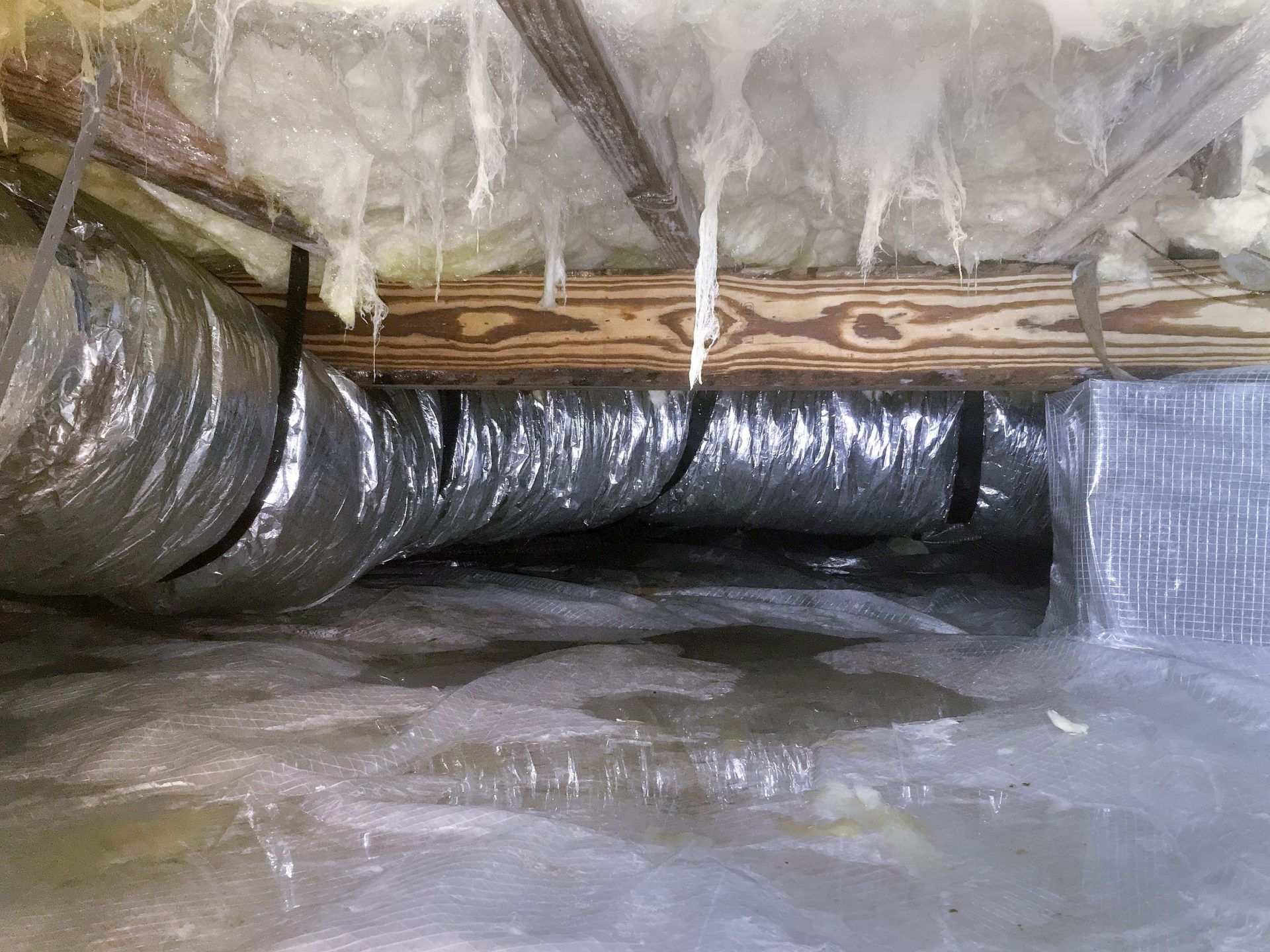
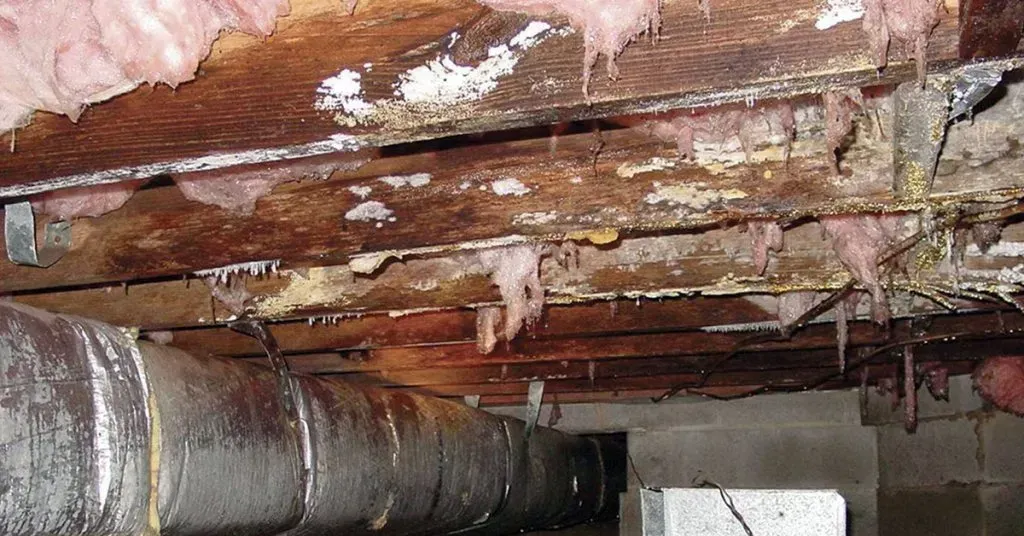
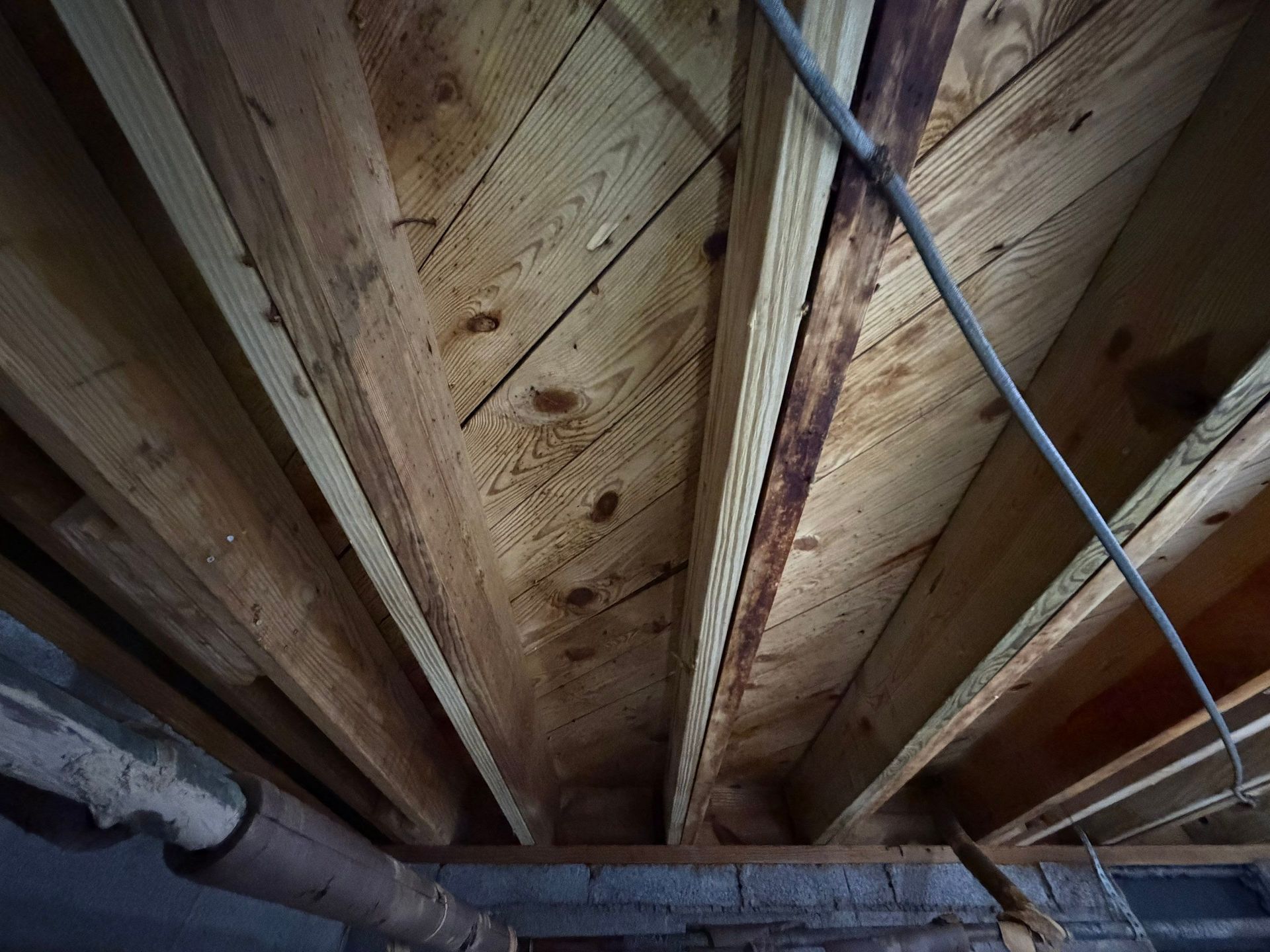
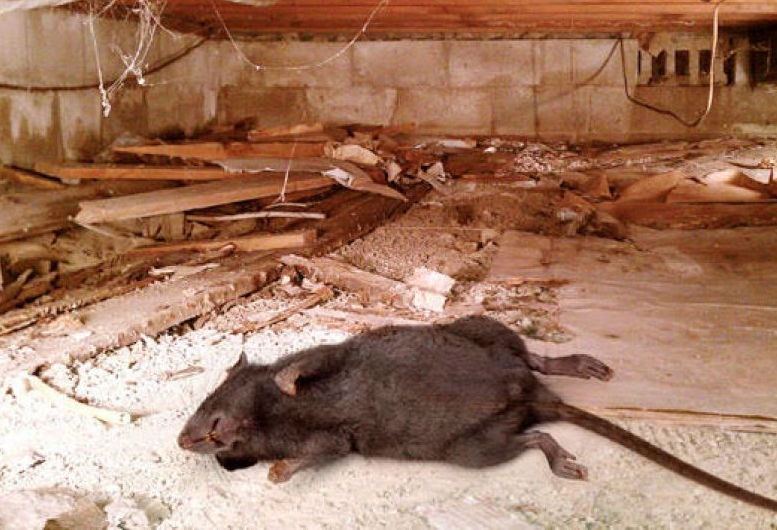
Musty odors, high humidity, standing water, sagging floors, damaged insulation, visible mold, wood rot, rodent activity, and damaged ductwork can all indicate problems beneath a home.
We inspect the crawl space to determine what conditions are present, how extensive they appear to be, and what may be causing them.
Identifying Crawl Space Moisture Problems
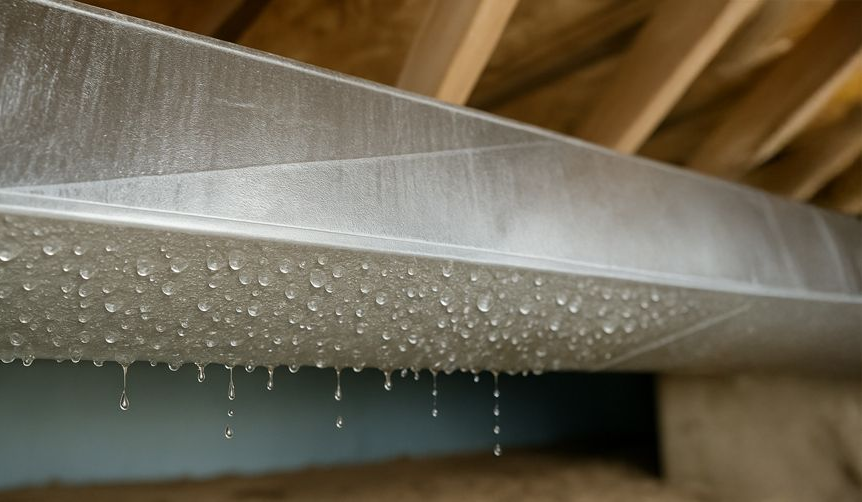
Crawl space moisture can come from several different sources, including condensation, humid outdoor air, ground vapor, plumbing leaks, drainage problems, and groundwater.
We evaluate visible moisture conditions, wood and framing, insulation, vapor barriers, drainage, and other accessible components to help determine the source of the problem.
Evaluating Structural Conditions
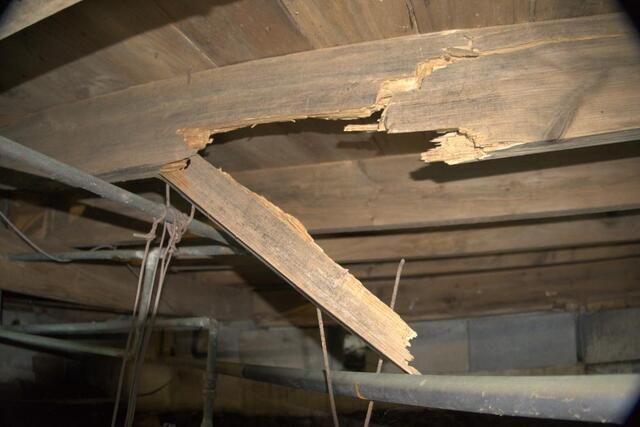
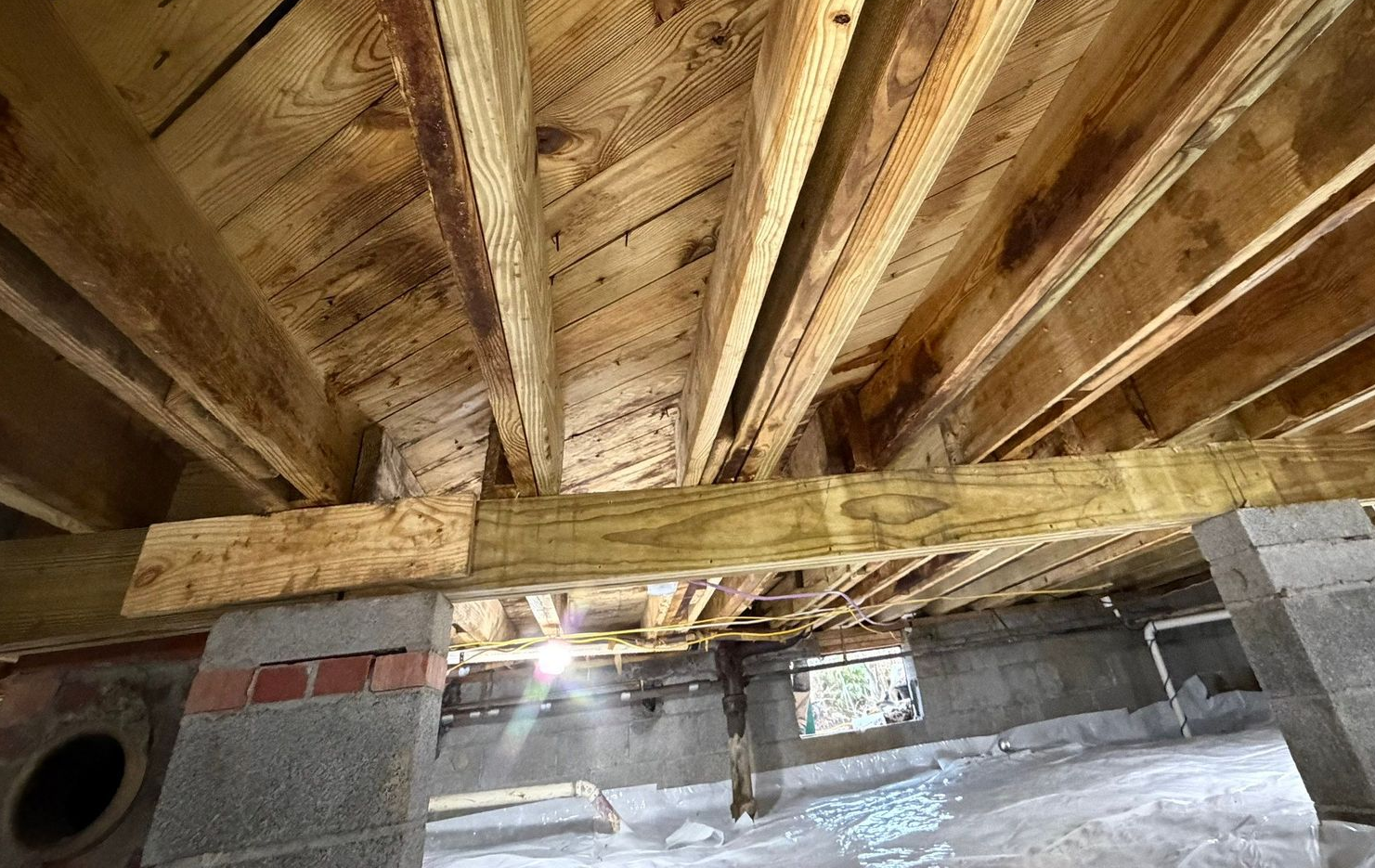
Sagging floors, soft areas, cracks, and movement inside the home can sometimes be connected to damaged or inadequate framing beneath the floor system.
We inspect accessible joists, beams, girders, sill plates, piers, posts, and other structural components for visible deterioration, movement, improper repairs, and other conditions that may require correction.
Inspecting Insulation, Ductwork, & Plumbing
Problems beneath a home often involve more than one system.
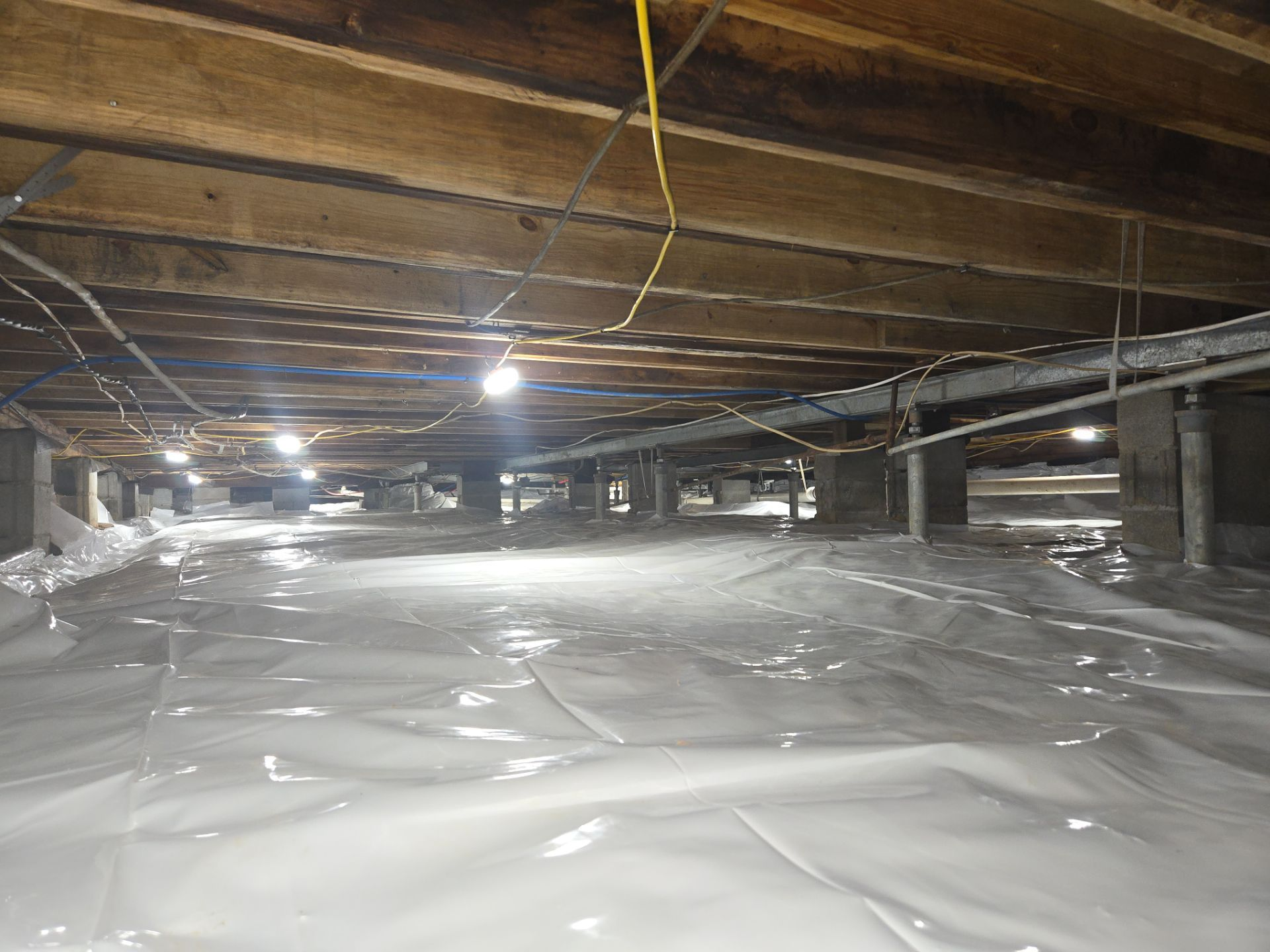
We inspect accessible insulation, HVAC ductwork, plumbing, vapor barriers, access doors, vents, and other crawl space components for visible damage, deterioration, leaks, contamination, or other conditions that may affect the home.
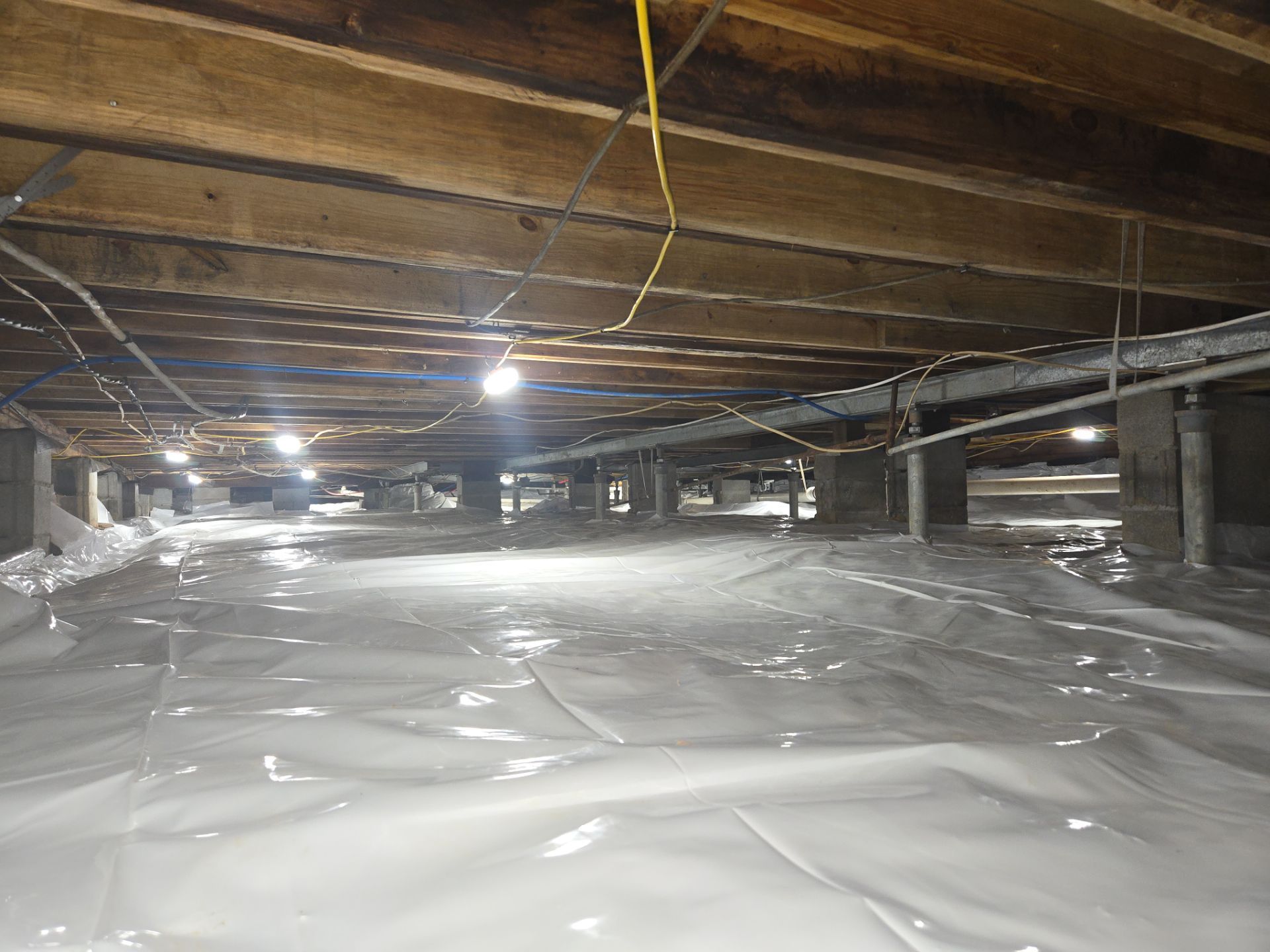
Looking At The Crawl Space As A Whole
Crawl space problems are often connected. Standing water can increase humidity, high humidity can contribute to mold and wood damage, rodents can damage ducts and insulation, and plumbing leaks can contribute to rot.
We look at the crawl space as a complete system rather than focusing on a single product or repair.
What Happens After A Crawl Space Inspection?
Once we determine what conditions are present, we explain what we found and recommend the appropriate scope of work.
Depending on the conditions, that may include moisture control, drainage, dehumidification, vapor barrier work, mold remediation, structural repair, insulation replacement, duct repair, plumbing repair, rodent control, or no major repair at all.
Why Do Homeowners Choose Patriot Crawl Space Repairs?
Crawl space problems often cross several different trades. As a Virginia Class A contractor with experience in crawl space moisture, structural repair, mold remediation, pest control, plumbing, insulation, and ductwork, we can evaluate the crawl space as a whole instead of looking at only one part of the problem.
Our goal is to identify what is actually wrong and recommend the level of repair that makes sense for the home.
Frequently Asked Questions
What are the most common signs of rodents in a crawl space?
A crawl space inspection includes a visual evaluation of accessible areas beneath the home, including framing, moisture conditions, insulation, ductwork, plumbing, vapor barriers, drainage, vents, access doors, and visible signs of mold, rot, or rodent activity.
Can you determine where crawl space moisture is coming from?
In many cases, yes. We look for signs of condensation, humid air intrusion, ground vapor, plumbing leaks, groundwater, standing water, and drainage problems to determine the most likely source of the moisture.
Do you inspect joists, beams, piers, and other structural components?
Yes. We inspect accessible joists, beams, girders, sill plates, piers, posts, and subfloor areas for visible rot, deterioration, movement, damage, improper repairs, and other structural concerns.
Do you inspect insulation, ductwork, and plumbing?
Yes. We inspect accessible insulation, HVAC ductwork, and plumbing for visible damage, deterioration, leaks, rodent damage, moisture problems, and other conditions that may need repair.
What happens if you find several different crawl space problems?
We look at how the problems relate to each other and explain which conditions should be corrected first. The recommended scope may include moisture control, drainage, dehumidification, structural repair, mold remediation, insulation work, duct repair, plumbing repair, rodent control, or a combination of repairs.
Will you recommend a full encapsulation if I do not need one?
No. We recommend repairs based on the conditions we find rather than starting with a predetermined system. In many crawl spaces, the right solution may be more limited than a full encapsulation.