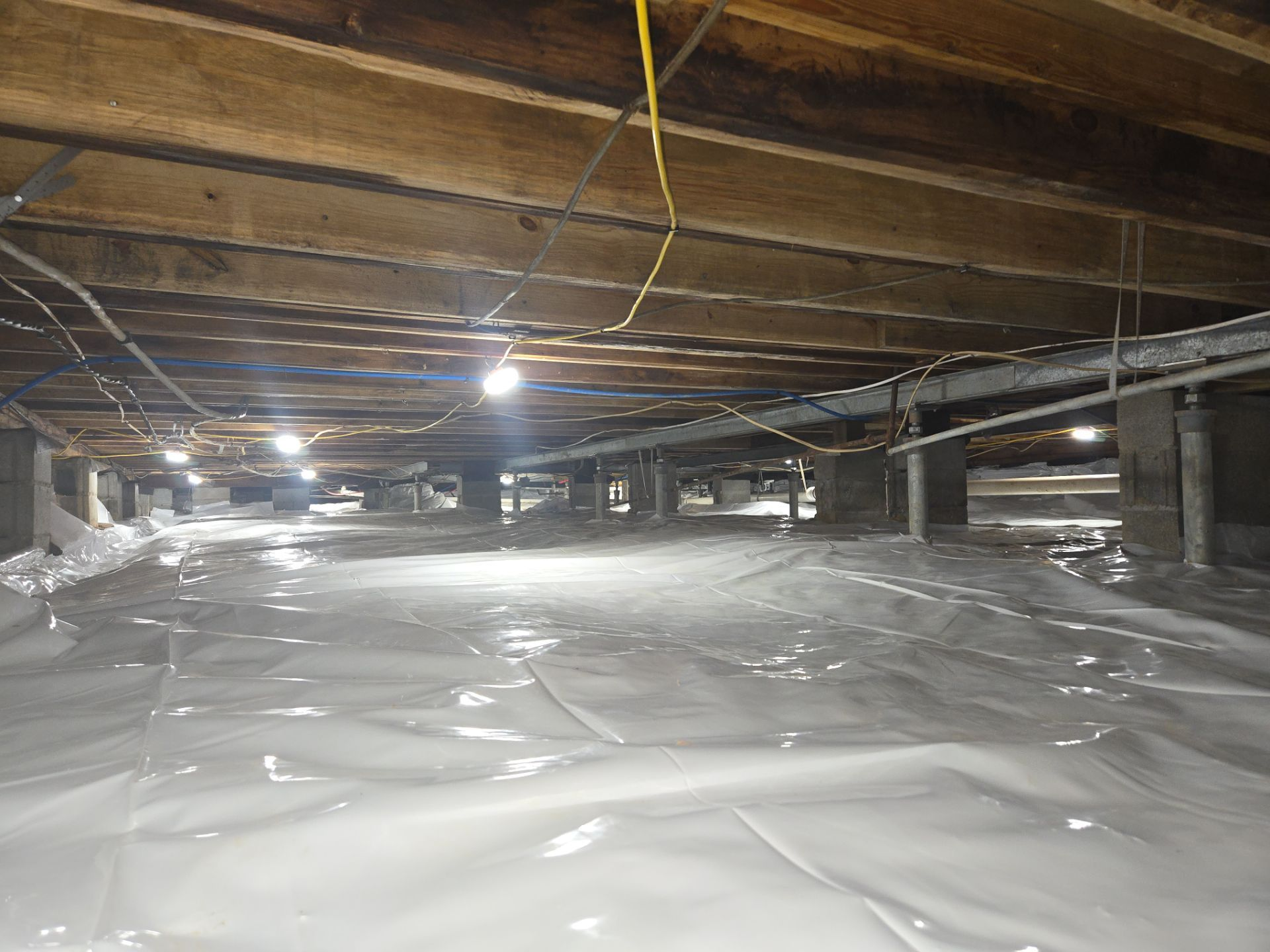
Signs Of Rodents In A Crawl Space
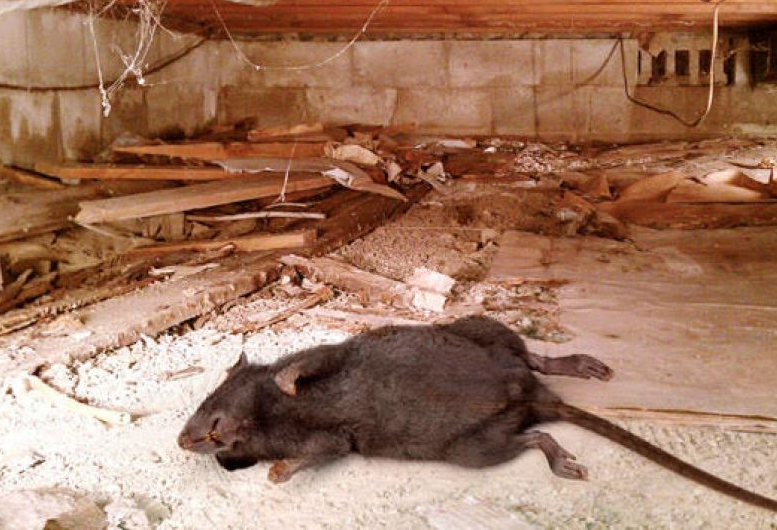
Droppings, nesting materials, damaged insulation, scratching noises, unusual odors, and damaged ductwork can all indicate rodent activity beneath a home.
We inspect the crawl space to determine whether these signs are present and how extensive the problem appears to be.
Spotting Mouse And Rat Activity
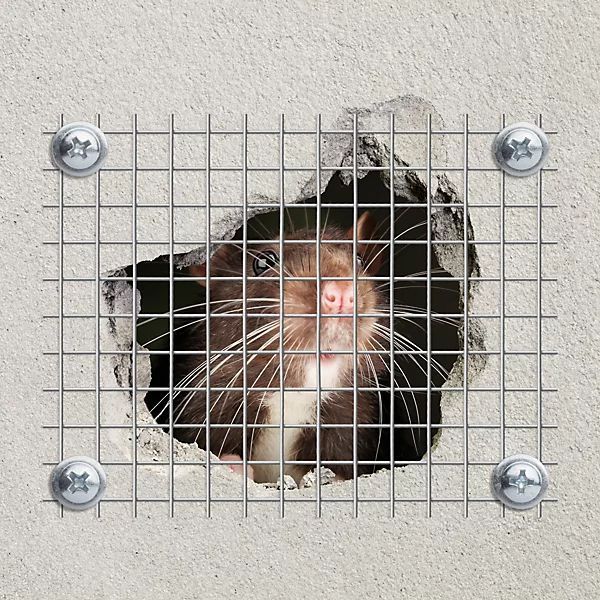
Mice and rats can enter crawl spaces through surprisingly small openings and may remain unnoticed for long periods of time.
We look for droppings, nests, travel paths, gnawing, disturbed insulation, and other evidence that helps identify active or previous rodent activity.
Identifying Rodent Entry Points
Removing rodents is only part of solving the problem if openings around the home allow them to return.
We inspect accessible foundation vents, crawl space doors, utility penetrations, plumbing and HVAC lines, and other potential entry points.
Evaluating Rodent Damage
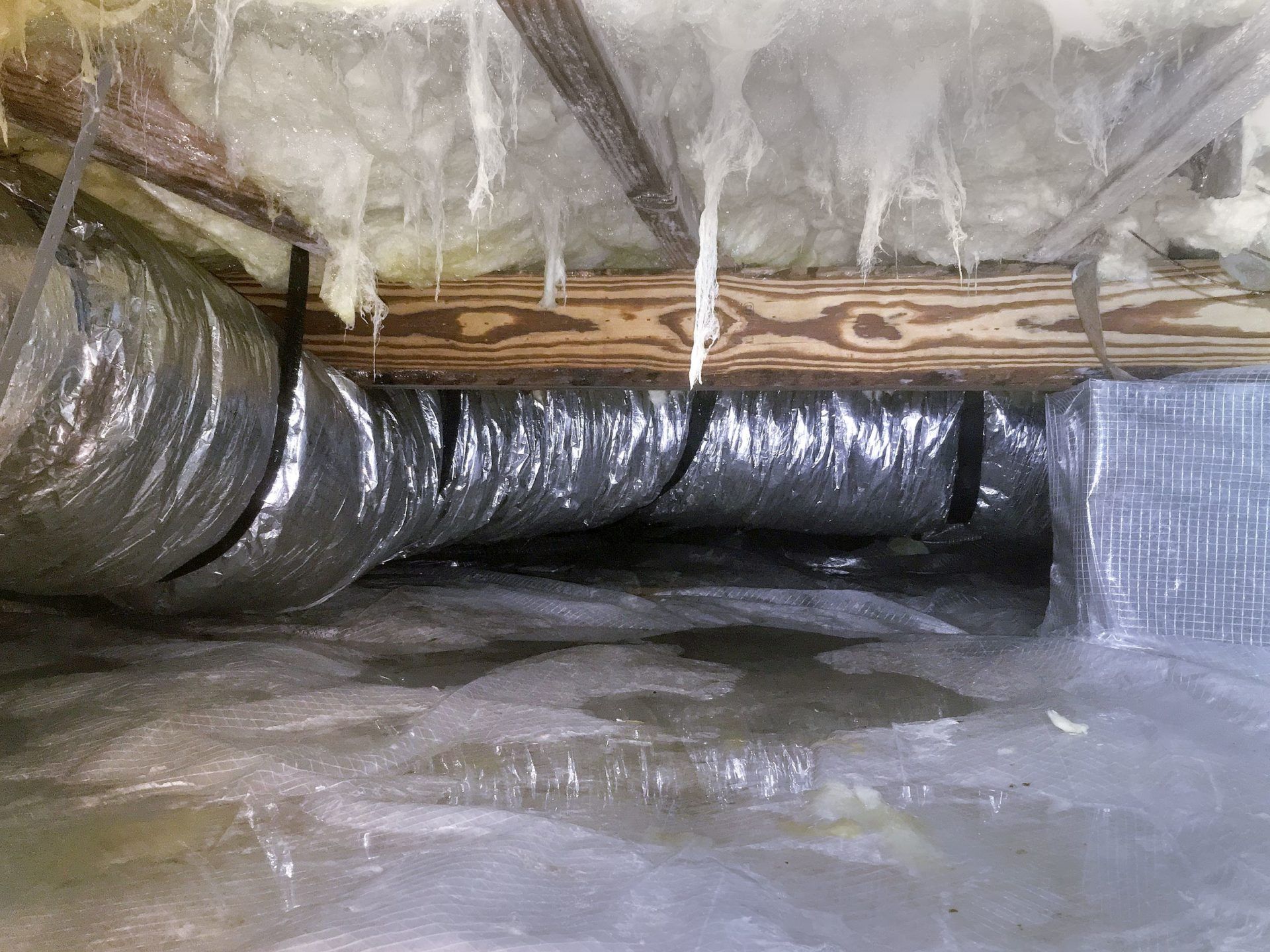
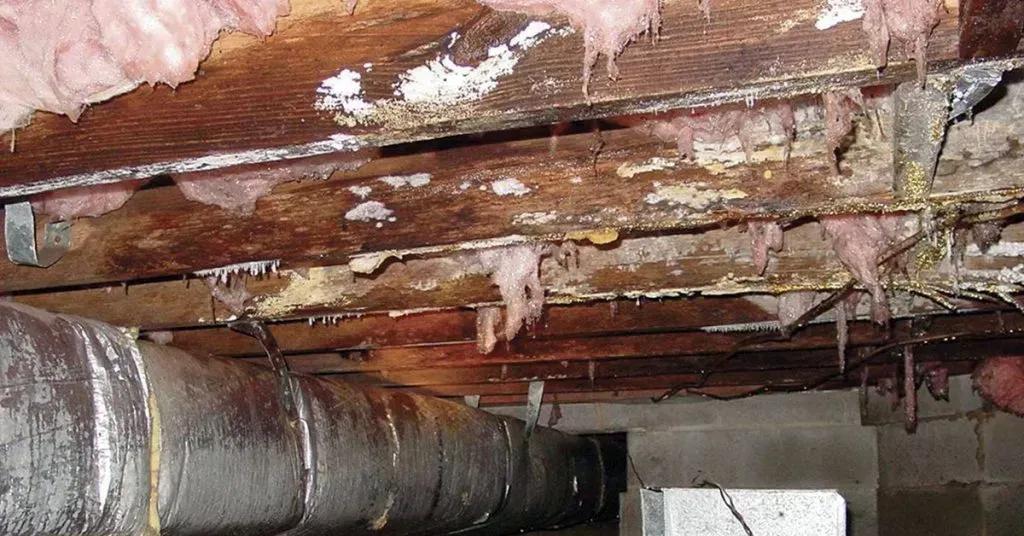
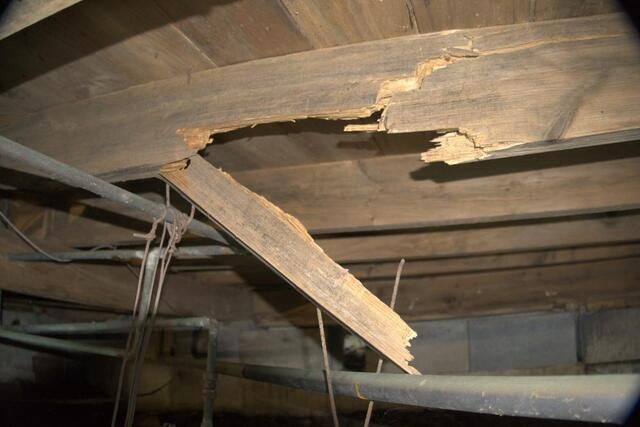
Rodents can damage ductwork, vapor barriers, insulation, access doors, wiring, and other materials beneath the home.
Because Patriot Crawl Space Repairs is also a Class A contractor, we can identify building-related damage during the inspection and determine what repairs may be needed.
Conditions That Attract Rodents
Rodent problems are often connected to conditions beneath the home such as damaged vents, poorly sealed access doors, moisture, standing water, or deteriorated materials.
During the inspection, we look at the crawl space as a whole to identify conditions that may be contributing to the problem.
What Happens After A Rodent Inspection?
Once we determine the extent of the rodent activity, we explain what we found and recommend the appropriate scope of work.
Depending on the conditions, that may include rodent control, exclusion, cleanup and sanitization, insulation removal, or repairs to damaged crawl space components.
Why Do Homeowners Choose Patriot Crawl Space Repairs?
Crawl space rodent problems often involve more than simply trapping mice or rats.
Our pest-control and contracting experience allows us to evaluate the rodents, how they entered, what they contaminated, and what they damaged as part of one crawl space inspection.
Frequently Asked Questions
What are the most common signs of rodents in a crawl space?
Common signs include droppings, nesting materials, damaged or disturbed insulation, scratching noises, odors, gnaw marks, and damage to ductwork or vapor barriers. An inspection can help determine whether the evidence indicates current or previous rodent activity.
Can you tell where mice or rats are getting into the crawl space?
In many cases, yes. We inspect accessible areas around the foundation, vents, crawl space doors, pipes, wiring, HVAC penetrations, and other locations where rodents may be entering.
Do you inspect the insulation for rodent contamination?
Yes. We look for nesting, droppings, urine contamination, displaced insulation, and other rodent-related damage and determine whether removal is warranted.
Do you inspect crawl space ductwork for rodent damage?
Yes. Rodents can tear flexible ductwork and damage duct insulation, so accessible crawl space ductwork is evaluated for visible rodent-related damage during the inspection.
What happens if you find rodents?
We determine the appropriate scope based on what we find. That may include rodent control, exclusion, cleanup and sanitization, contaminated insulation removal, and repairs to damaged crawl space components.
Can Patriot repair the damage after the rodents are removed?
Yes. As a Class A contractor, we can repair many of the crawl space components commonly damaged by rodents rather than requiring the homeowner to coordinate a separate repair contractor.
Do I need a rodent inspection if I only hear scratching noises?
Scratching noises can have several possible causes, but rodents are one possibility. Inspecting the crawl space can help determine whether there is physical evidence of mice or rats beneath the home.
Is a rodent inspection the same as rodent control?
No. The inspection determines whether rodent activity is present, where rodents may be entering, and what contamination or damage exists; rodent control is the work performed to correct the problem.