Call Us Today To Schedule An Inspection At (757) 960-3231

Where Does Crawl Space Water Really Come From?
Watch The Full Video
Where Does Crawl Space Water Really Come From?
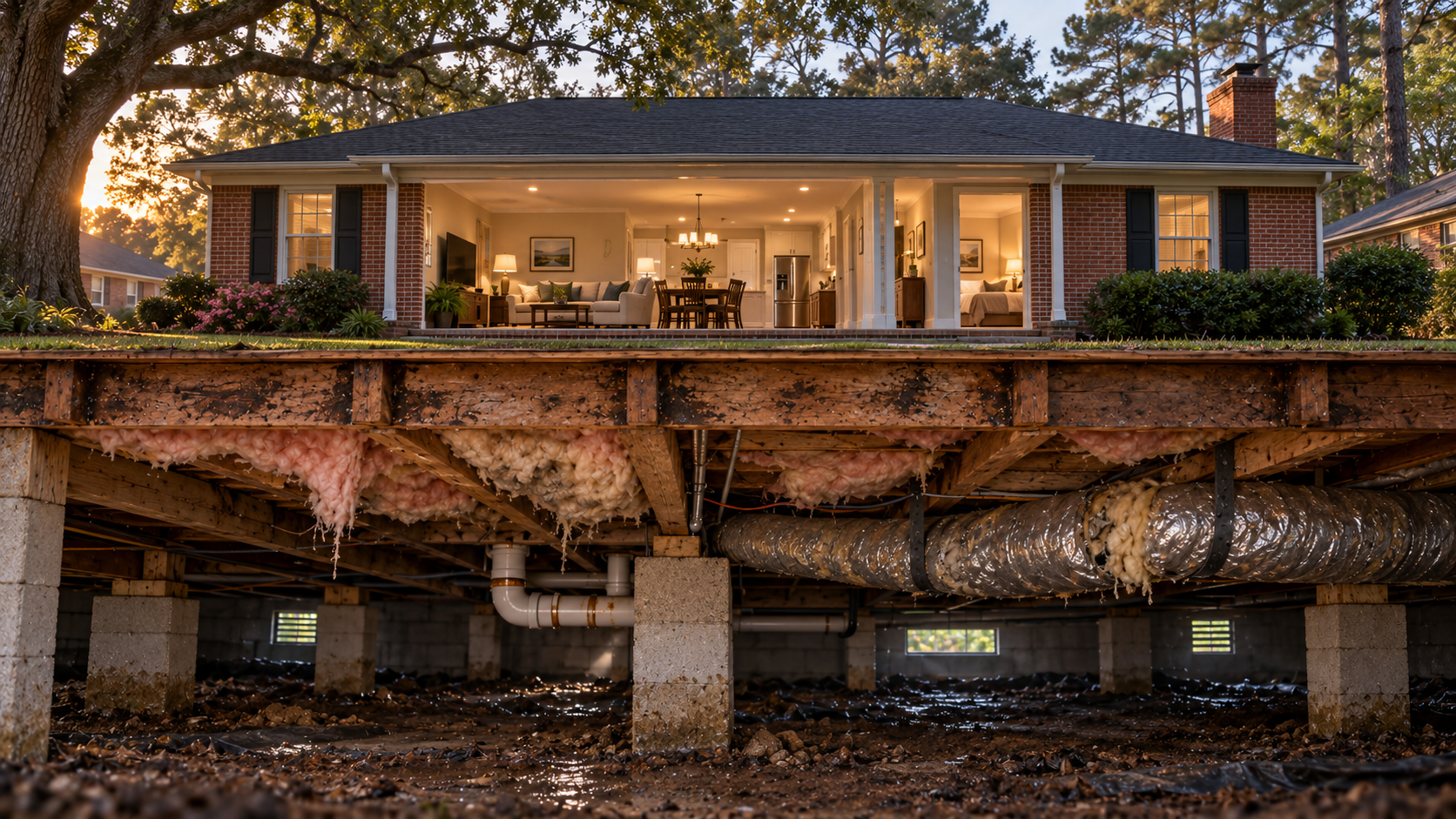
When homeowners find water in a crawl space, they usually assume it is coming from the ground, a plumbing leak, or the HVAC system.
Sometimes that is true.
But in hot, humid climates, one of the biggest moisture sources is often something you cannot see:
Humid outdoor air entering through the foundation vents.
When hot summer air enters a cooler crawl space beneath an air-conditioned home, the air cools.
As it cools, relative humidity rises. If a surface falls below the dew point, water forms on that surface.
That process is called condensation.
It is the same reason a cold drink sweats outside on a humid summer day. The water is not leaking through the can. It is coming out of the air.
Under a house, that same moisture can show up on:
- HVAC ductwork
- Plumbing
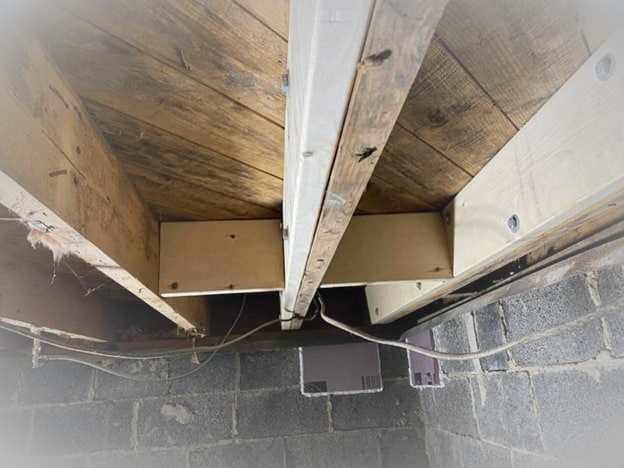
- Floor framing
- Insulation
- Vapor barriers
- Even the ground itself
That is why crawl-space moisture is so often misdiagnosed. People see water on the plastic and assume groundwater. They see wet ductwork and assume an HVAC problem. They see damp insulation and think the insulation needs replacing.
But those may only be the surfaces where the moisture ended up.
Groundwater and Plumbing Leaks Still Happen
Not every wet crawl space is a condensation problem.
Groundwater, plumbing leaks, drain leaks, foundation leaks, poor grading, and roof runoff can all introduce real liquid water into a crawl space.
The difference is that these problems usually leave patterns.
A plumbing leak tends to be localized around the plumbing.
Groundwater often collects near perimeter walls or low areas and may leave staining, sediment, or a visible path of entry.
Condensation is usually more widespread. Ductwork sweats, insulation gets damp, broad areas of framing absorb moisture, and the problem is often worst during hot, humid summer weather.
Why a Vapor Barrier Alone May Not Solve the Problem
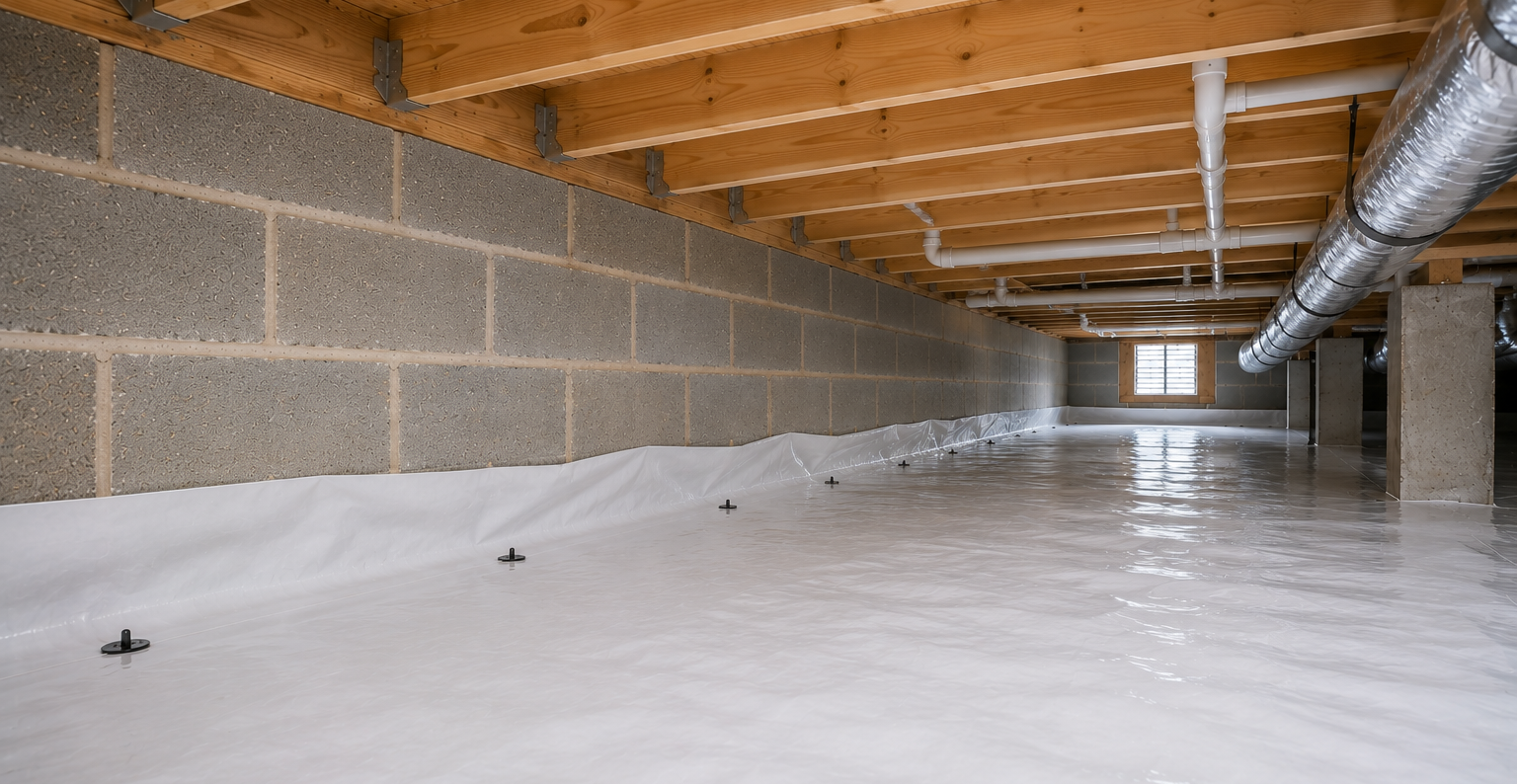
A good ground vapor barrier is important because it reduces moisture evaporating from the soil.
But if the crawl space remains open to humid outdoor air, the main summer moisture mechanism may still be active.
The ground is covered, but hot, humid air continues entering through the vents and contacting cool surfaces under the home.
This is why simply replacing a vapor barrier or installing new insulation can fail if the crawl space is not also properly air-sealed.
What Actually Stops Crawl Space Moisture?
The correct repair depends on the house, but the basic approach is usually:
- Remove contaminated or damaged insulation and other materials.
- Clean existing mold or fungal growth.
- Correct real groundwater or drainage problems where they exist.
- Install a durable ground vapor barrier.
- Air-seal foundation vents, doors, penetrations, and other openings.
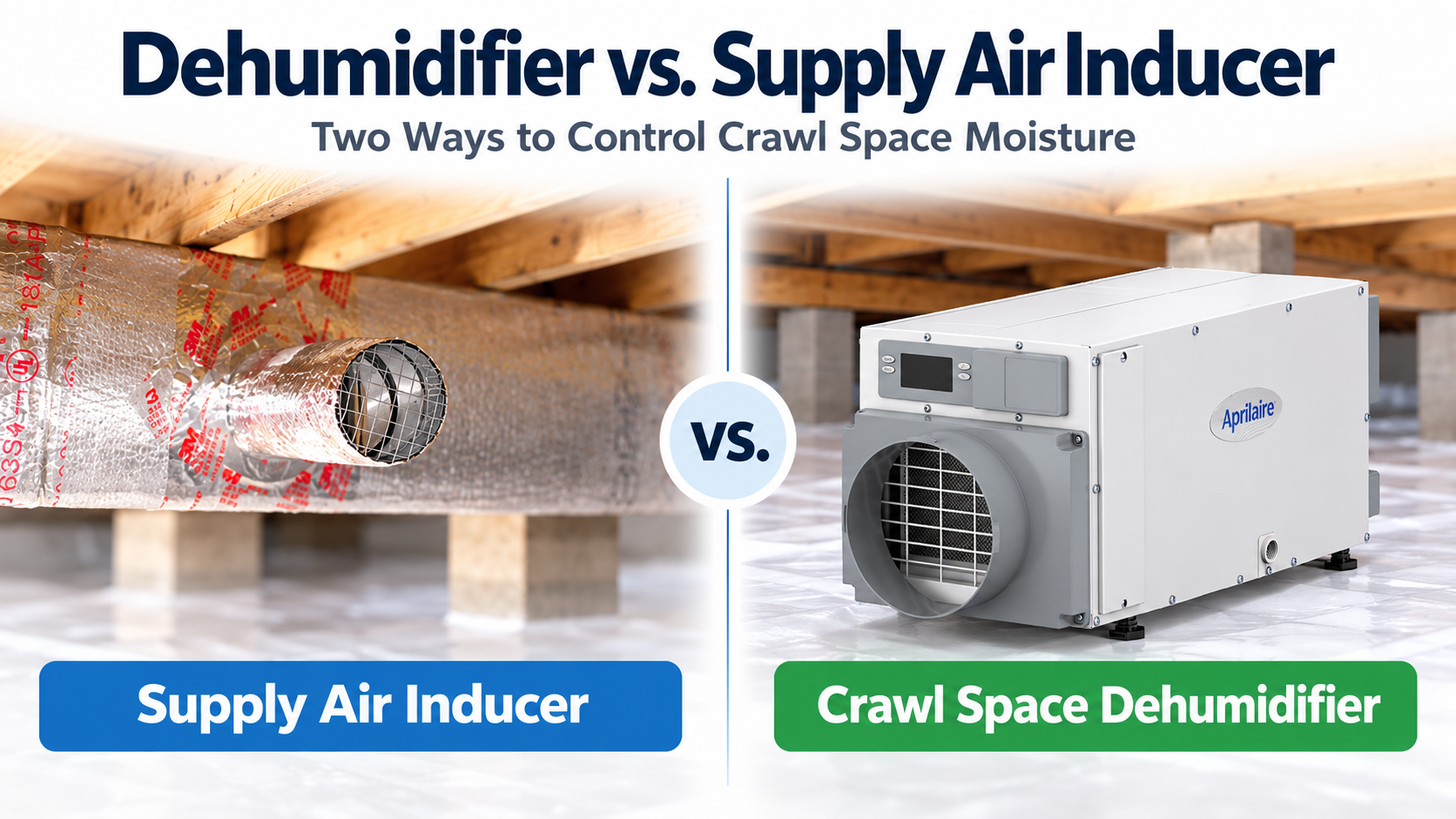
- Manage the remaining moisture with conditioned supply air or a crawl-space dehumidifier.
- Monitor humidity, dew point, temperature, and wood moisture going forward.
For moisture control, air sealing is one of the most important steps because it reduces the flow of hot, humid outdoor air into the crawl space.
Does Every Crawl Space Need Full Encapsulation?
No.
Some crawl spaces benefit from a fully sealed wall liner. Others are better served by a pinned ground vapor barrier with exposed foundation walls and piers.
Low coastal crawl spaces may benefit from keeping the masonry visible for:
- Termite inspections
- Rodent detection
- Leak identification
- Future service work
Taller crawl spaces, hillside properties, soil-gas concerns, radon, or significant wall moisture may justify a different assembly.
The moisture physics are the same. The site conditions are not.
Watch the Full Video
The video above goes much deeper into:
- Where crawl-space moisture really comes from
- Why ducts and vapor barriers sweat
- How to tell condensation from groundwater
- Why opening vents can make moisture worse
- When drainage is actually needed
- Pinned vapor barriers vs. full encapsulation
- Supply air vs. dehumidifiers
- How to monitor the crawl space after repair
If you want to really understand crawl-space moisture rather than just treat the symptoms, watch the full video above.
Need Help With a Crawl Space in Hampton Roads?
Patriot Crawl Space Repairs serves Hampton Roads and Southeastern Virginia.
Website: PatriotCrawlSpaceRepairs.com
Phone: (757) 960-3231
Latest Crawl Space Articles